
How to Take Suit Measurements Before Visiting a Bangkok Tailor
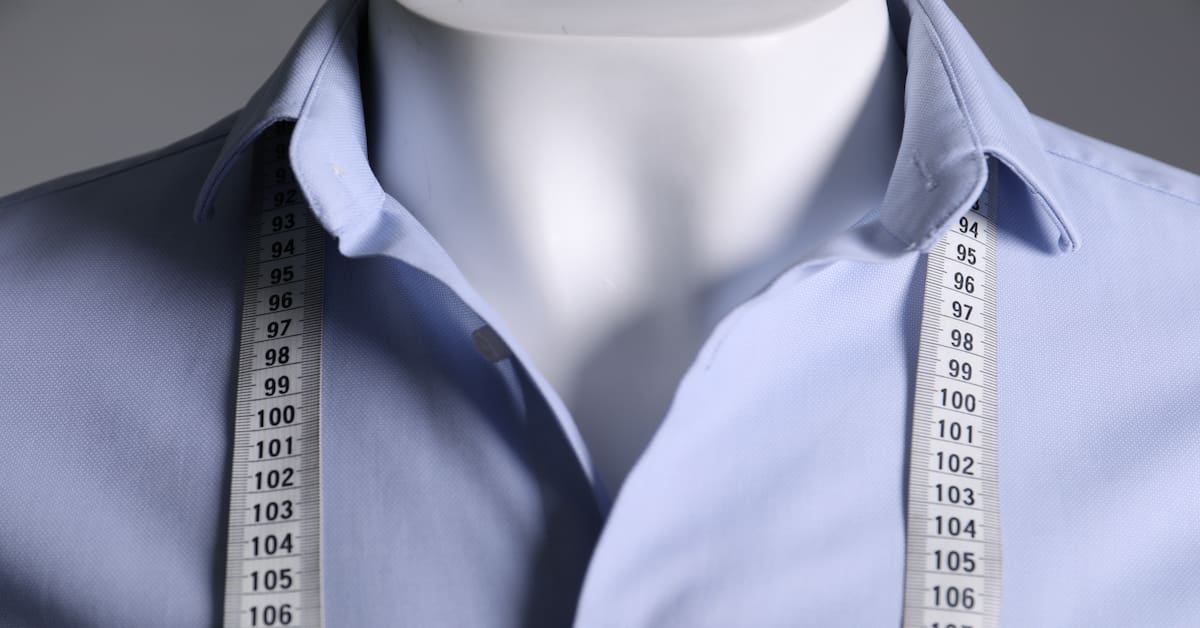
Booking a Bangkok tailor can be a practical part of a short trip, especially when you want a suit, shirt, or formal outfit made around your own proportions. However, first-time visitors often arrive with limited time, busy schedules, and little room for additional fittings.
The simplest way to prepare is to spend around 15 minutes at home taking a few basic measurements with a cloth tape measure and, ideally, help from a friend. These numbers give your tailor a useful starting point before your first appointment. Your final fit should still be confirmed in person, as an experienced tailor will assess posture, shoulder position, balance, and movement during the fitting process.
This guide explains what to measure, how to take each measurement, what to do without a helper, and how to prepare for a smoother appointment with a Bangkok tailor.
Why Should You Take Measurements Before Visiting a Bangkok Tailor?
Pre-trip measurements can make your first consultation more efficient. Rather than beginning with every basic body measurement from scratch, your tailor can use your notes as an initial reference before confirming the details in person.
This is especially useful for travellers with short itineraries. Bringing clear measurements, a well-fitting reference garment, and photos of styles you like helps you communicate your preferences more easily.
At Jesse & Son, we recommend allowing enough time for proper consultation and fittings rather than relying only on measurements taken remotely. For more guidance on planning your visit, read our guide to visiting a tailor in Bangkok.
What Is the Fastest Way to Prepare for a Bangkok Tailor Visit?
Send your measurements ahead of time, bring a copy of your notes, and wear the type of shoes and shirt you plan to wear with the finished suit.
It also helps to bring photos of suits you like, particularly if you have preferences for jacket length, lapel width, trouser break, or overall fit. A reference image often communicates your preferred style more clearly than a long description.
What Do You Need to Measure Yourself at Home?
The kit is simple: a flexible cloth tape measure, a full-length mirror, a notebook or phone to record numbers, a fitted shirt, and ideally a helper.
Wear a fitted T-shirt or button-down shirt with trousers that sit where you would normally wear your future suit trousers. Avoid measuring in gym clothes, pyjamas, or bulky layers. Stand relaxed but upright, breathe normally, and keep the tape flat against your body without pulling it tightly.
Can You Measure Yourself for a Suit Without Help?
Yes, but some measurements are more difficult to take alone. Chest, shoulder width, and sleeve length are usually the hardest to measure accurately without assistance.
Use a mirror and measure each number at least twice. A helper, even someone assisting over a video call, can make upper-body measurements more consistent. Your tailor will still take final measurements in person and check your posture before cutting the garment.
How Do You Take Upper Body Measurements for a Tailored Suit?
Measure Your Chest at the Fullest Point
Wrap the tape around the fullest part of your chest, usually across the nipple line. Keep the tape parallel to the floor and snug without compressing the body. Exhale normally before reading the number. Do not puff out your chest or deliberately change your posture.
Measure Shoulder Width Across the Back
Measure from the edge of one shoulder bone to the edge of the other across the back. The tape should follow the natural slope of your shoulders rather than cutting straight across the front.
This can be difficult to take alone, so it is worth getting help with this measurement where possible.
Measure Sleeve Length from the Shoulder to the Wrist
Start at the shoulder seam point, where a standard T-shirt seam would sit. Run the tape down the outside of the arm, over the elbow, to the wrist bone where you want the shirt cuff or jacket sleeve to finish.
Keep your arm slightly bent rather than completely straight.
Measure Jacket Length to Your Preferred Hem Position
Measure from the shoulder seam down the front of the chest to the point where you want the jacket hem to fall. A classic two-button jacket often finishes around the mid-crotch area, while some modern cuts may sit slightly shorter.
Your tailor can refine this during the consultation based on your proportions and preferred style.
Measure Your Neck for Tailored Shirts
Measure around the base of the neck where a shirt collar would sit. Place one finger inside the tape measure to allow for comfort.
How Do You Measure Lower Body Measurements for Tailored Trousers?
Measure Your Natural Waist
Find your natural waist, usually the narrowest point above the navel, and wrap the tape around it. Stand normally without sucking in or forcing out your stomach. Record the measurement to the nearest quarter inch or half centimetre.
Measure Around the Fullest Part of Your Hips
Measure around the fullest part of the hips and seat, usually several inches below the waist. Keep the tape level all the way around.
Measure the Trouser Outseam
Measure from the waist down the outside of the leg to the point where you want the trouser hem to finish.
Wear the shoes you expect to wear with the trousers, as heel height can affect the ideal length.
Measure the Trouser Inseam
Measure from the crotch seam down the inside of the leg to the desired hem position. For a modern trouser break, the hem should sit lightly on top of the shoe. A fuller break requires slightly more length.
Measure Thigh, Knee, and Bottom Width
These measurements help shape the trouser silhouette. Measure around the thigh at its widest point, around the knee at the kneecap, and around the ankle where you want the trouser hem to sit.
Your tailor can use these numbers to create a cleaner taper while ensuring the trousers remain comfortable when walking and sitting.
What Measurement Mistakes Should You Avoid?
The most common mistake is measuring over bulky clothing. A hoodie, thick jumper, or loose trousers can distort your numbers. Always measure over a thin, fitted layer.
Another common issue is pulling the tape too tightly. The tape should feel similar to a well-fitted garment: close to the body but not restrictive. If the tape causes the skin to bulge, it is too tight.
Posture matters as well. Stand as you naturally stand rather than forcing an exaggerated upright position. A tailor needs to understand your real shape and movement patterns.
Avoid mixing inches and centimetres in the same measurement list. Choose one unit and use it consistently throughout your notes.
Finally, do not ignore asymmetry. Many people have one shoulder slightly higher or one arm slightly longer. Note these details instead of averaging them out, as they can help your tailor make more accurate adjustments.
What Should You Do When You Do Not Have a Tape Measure?
If you do not have a cloth tape measure, use a piece of non-stretchy string or a phone charging cable. Mark the length, then lay it flat against a ruler or another known measurement reference.
This method is less precise, but it can still provide a useful starting point. Let your tailor know how you measured so they can confirm the numbers carefully during your consultation.
If you do not have a helper or a mirror, set up your phone on a tripod or stable surface and record yourself measuring. You can check the numbers afterwards through the video.
What Is the Good-Enough Rule for Pre-Trip Measurements?
A useful pre-trip measurement is one that is consistent and repeatable. If you measure twice and get roughly the same result, record that number and bring it to your appointment.
Do not try to achieve perfect tailoring measurements at home. Your tailor’s in-person fitting exists to confirm the numbers, assess posture, and make adjustments that cannot be identified from a tape measure alone.
If two measurements differ significantly, take them again. The tape may have shifted, your posture may have changed, or your clothing may have bunched up.
Should You Re-Measure Before Your Bangkok Trip?
If your trip is more than four weeks away, it is sensible to measure again shortly before you travel. Body weight, posture, and everyday clothing habits can change over time.
For trips within a few weeks, your original measurements are usually still useful, provided they were taken carefully and you have not had a significant change in weight or fitness routine.
What Should You Bring to a Bangkok Tailor Appointment?
Bring your measurement notes, the tape measure you used, a fitted shirt in a style you like, and the shoes you expect to wear with the finished suit.
Photos of suits you admire can also be useful. A reference image can quickly show the drape, lapel shape, trouser break, and overall fit you prefer.
If you own a suit that fits particularly well, bring it with you. Your tailor can use it as an additional point of reference alongside your body measurements. For a clearer idea of the fitting process, read our guide on how tourists can get a suit in Bangkok in three days.
What Should You Wear to a Bangkok Tailor Consultation?
Wear a fitted, lightweight dress shirt, trousers with a belt, and the dress shoes you plan to wear with the suit.
Avoid jackets, ties, oversized clothing, and heavy layers. The purpose of the consultation is to let the tailor see your natural silhouette and understand how the finished garment should sit on your body.
How Should You Send Measurements to a Bangkok Tailor in Advance?
Most tailors can review measurements by email before your appointment. Present them in a simple format with the measurement name, number, and unit.
Include any useful notes about posture, recent weight changes, or your preferred fit, such as slim, classic, or relaxed. You can also mention whether you prefer a shorter jacket, higher trouser rise, or a specific trouser break.
Sending your measurements in advance does not replace a fitting, but it can give your tailor a useful starting point and help you make better use of your time in Bangkok.
Conclusion
Preparing a few measurements before your trip can make your first tailoring consultation more organised and productive. Bring clear notes, wear appropriate clothing, and be ready to discuss how you want the finished garment to look and feel.
At Jesse & Son, we believe the best results come from combining your pre-trip preparation with a proper in-person consultation and fitting. As a trusted Bkk tailor, we take the time to check your proportions, posture, movement, and style preferences so your finished garment feels as good as it looks. For more advice before your appointment, explore our guide for first-time suit buyers in Bangkok.
Frequently Asked Questions
Can I order a suit from a Bangkok tailor using only measurements taken at home?
Home measurements can give your tailor a helpful starting point, but an in-person fitting is still recommended. A tailor needs to assess posture, shoulder balance, body shape, and movement before making final adjustments.
How many measurements does a tailor usually take for a suit?
A professional tailor may take a wide range of measurements for the jacket, trousers, shoulders, arms, posture, and overall balance. The exact number depends on the garment and the level of customisation required.
Should I bring a suit that already fits well?
Yes. A suit or jacket that fits you well can help your tailor understand your preferred fit, sleeve length, jacket length, and trouser shape.
Can I bring photos of suits I like?
Yes. Photos are useful for showing the style you want, including lapel width, jacket length, pocket design, trouser break, and overall silhouette.
Is it better to measure in inches or centimetres?
Either is fine, but use one unit consistently throughout your notes. Clearly label the unit so your tailor can interpret the measurements correctly.
 +66814437747
 @jesseandson