
Best Shoe Soles for Walking Bangkok Streets Daily
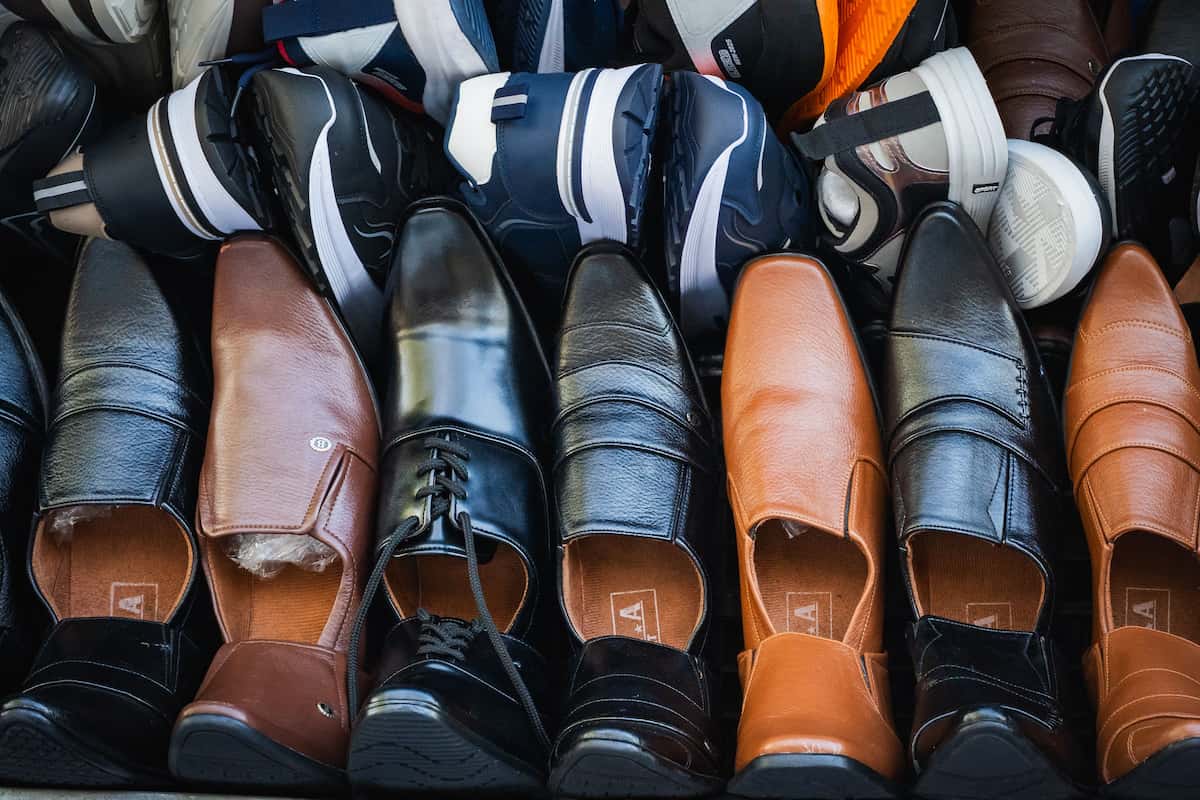
Bangkok rewards walking, but its streets ask a lot from footwear. A single journey can move from smooth mall floors and tiled stations to uneven pavements, footbridges and wet surfaces. The best shoe sole must balance grip, flexibility, cushioning and enough structure for varied routes, rainy conditions and everyday wardrobe use.
That balance depends on the route. A Sukhumvit commuter may spend more time on station stairs and polished floors, while someone exploring markets encounters rougher surfaces and standing water. Sole material matters, but so do tread, fit and construction.
Bangkok Streets Demand More Than Soft Cushioning
Daily routes combine hard pavement, stairs and frequent indoor-outdoor transitions. Heat can affect some materials, while rain makes tile, paint and metal covers slick. A sole that feels secure on dry concrete may behave differently at a wet station entrance, so judge it across the whole route.
Comfort involves more than a soft insole. Cushioning can reduce impact, but excessive softness may let the foot move or the heel become unstable. Check whether the heel remains centred, the arch feels supported and the forefoot can spread. Extra sole weight can also increase fatigue on stairs and long pavements.
Distance, pace, foot shape, previous injuries and wardrobe needs should influence the choice. Shoes worn with tailored trousers may need a slimmer profile than walking trainers, but still require a secure fit. Persistent foot or knee pain warrants advice from a qualified health professional rather than more cushioning.
Comparing Rubber, Leather and Foam Sole Constructions
The outsole touches the ground, while cushioning foam usually forms the midsole above it. An EVA-cushioned shoe may therefore still use rubber for traction. Compare the complete construction for grip, weight, durability and appearance.
| Construction | Advantage | Trade-off | Best use |
|---|---|---|---|
| Rubber outsole | Grip and durability | Compound and tread vary | Commuting and rain |
| Leather outsole | Formal appearance | Wet grip and wear | Indoor formal use |
| Foam midsole with rubber outsole | Lightweight cushioning | Foam can compress | Long walks and travel |
| Leather-and-rubber sole | Polished with added grip | Needs suitable construction | Business walking |
Rubber Soles for Everyday Walking
Rubber is a strong all-round option for Bangkok. It tolerates damp pavement and comes in different densities. Patterned rubber works well for loafers, casual shoes and travel footwear, particularly when channels move water from beneath the sole. Hard rubber may last longer but feel slippery on smooth floors, while softer rubber may grip better but wear faster. Ask about the compound and test the shoes carefully on familiar dry and damp surfaces.
Leather Soles for Formal Settings
A leather sole looks elegant with a tailored suit and may mould to the foot. It suits controlled, dry settings better than long walks through wet streets. A skilled repairer can often add a rubber forepart when the construction allows it. Leather remains useful formally, but it will not behave like a grippy trainer during monsoon conditions.
EVA and Foam for Lower Weight
EVA and other foams reduce weight and soften impact, although very soft compounds may compress, lose stability or wear unevenly. A foam midsole with a rubber outsole usually balances cushioning and traction better than exposed foam alone. No midsole can compensate for a shoe that is too narrow, loose at the heel or poorly shaped for the foot.
Wet Grip Depends on Tread, Flexibility and Fit
Useful tread has enough depth and spacing to maintain contact without collecting debris. Multi-directional patterns can help with turns and stairs, while broad, flat areas may feel stable indoors. Aggressive lugs can feel awkward on polished floors. Wet grip depends on the compound, tread and contact pressure together, and no shoe is slip-proof. Slow down on painted crossings, metal covers and shiny tiles.
A city-walking sole should flex near the ball of the foot while keeping the heel stable. It should allow a natural toe-off without folding through the middle. Rigid soles can make stairs tiring, while flat, highly flexible soles may offer too little support. Bend the shoe gently, but also walk in both shoes.
Fit shoes late in the day using your usual socks, and leave toe room for downhill steps. Feet are rarely identical, so test both shoes on stairs, turns and at different paces. A stable standing fit may still reveal heel movement, forefoot pressure or limited flexibility while walking.
Match the Sole to the Route and the Wardrobe
For commuting, lightweight rubber with moderate cushioning and a secure heel is a practical starting point. Markets, sightseeing and rainy days require more traction, quick drying and a fit that will not rub. A quick-drying upper and removable insole can be as useful as the sole once shoes become wet.
For offices, client meetings and smart-casual dinners, leather-and-rubber construction can maintain a polished profile while adding grip. Someone based indoors may accept more leather than a person walking between appointments. Choose for the surfaces crossed most often, not simply a formal or casual label. The guide to choosing shoes for a custom suit explains how shoe style and formality work with tailored clothing.
A practical wardrobe uses more than one pair. Rotation allows shoes to dry, extends material life and avoids forcing formal footwear into unsuitable conditions. A lighter pair can handle long routes while leather-soled shoes remain available for controlled settings.
Care, Break-In and the Right Time to Resole
Bangkok's humidity, grit and sudden rain affect the sole and upper together. Regular inspection can catch uneven wear before it changes the way the shoe sits or damages a repairable construction.
Dry and Store Shoes Properly
Clean grit and city residue from the outsole, then dry wet footwear at room temperature because intense heat can damage adhesives and leather. Use cedar or another breathable shoe tree and allow air to circulate rather than sealing damp shoes in a closed bag. The guide to breathable leathers for bespoke shoes explains how the upper, lining and insole also influence moisture management.
Break In the Pair Gradually
A well-made shoe should feel comfortable at the first fitting, although short outings reveal how it flexes in use. Check for rubbing at the heel, little toe and instep before relying on the pair for a holiday or major event. If a hot spot develops, stop rather than hoping it disappears. A different sock, revised lacing or professional stretch may solve a minor issue, but persistent pain or pressure suggests that the fit needs reassessment.
Watch for Wear and Loss of Stability
Replace or repair footwear when the tread is smooth, the heel leans, the midsole has compressed or the upper no longer holds the foot securely. A pair can still look presentable after its traction has declined, which matters during rainy months and near traffic or crowded steps. Well-constructed shoes may be resoled if the upper, welt and midsole remain sound. Jesse & Son's custom shoe process includes individual measurements and sole choices, while a repair professional can assess an existing pair and recommend an appropriate replacement compound.
Choosing Shoes as Part of a Tailored Bangkok Wardrobe
A custom shoe consultation should begin with real use rather than appearance alone. Bring the trousers, shoes or reference pieces that represent your wardrobe, explain the routes and situations the new pair must handle, and allow time for a fitting. These details reveal more than a size chart, particularly when the feet differ or a bunion, high instep or standard last creates pressure.
Sole construction can then be coordinated with trouser shape and level of formality. A slim rubber sole may suit a business wardrobe that involves regular walking, while leather with discreet rubber protection may work for formal events and mostly indoor use.
No single sole can be the safest, most comfortable and most formal choice for every Bangkok route. Start with the surfaces crossed most often, then balance grip, flexibility, cushioning, repairability and appearance. At Jesse & Son, our work as a bespoke tailor in Bangkok begins with fit, intended use and the realities of each client's routine, helping clothing and footwear work together in daily life.
Frequently Asked Questions
Does a slip-resistant label guarantee grip on Bangkok tiles?
No. Test results apply to particular conditions, while pavements vary. Tread wear, water, dust and walking style can all change traction.
Can rubber protection be added to leather-soled shoes?
Often, yes. A repairer may add a rubber forepart or protective layer, depending on the original sole and construction.
Can every well-made shoe be resoled?
No. Repairability depends on the construction and condition of the upper, welt, sole edge and midsole. A professional should inspect the pair first.
 +66814437747
 @jesseandson