
Bespoke Solutions for Plus Size Clients in Thailand: Inclusive Style and Visual Authority
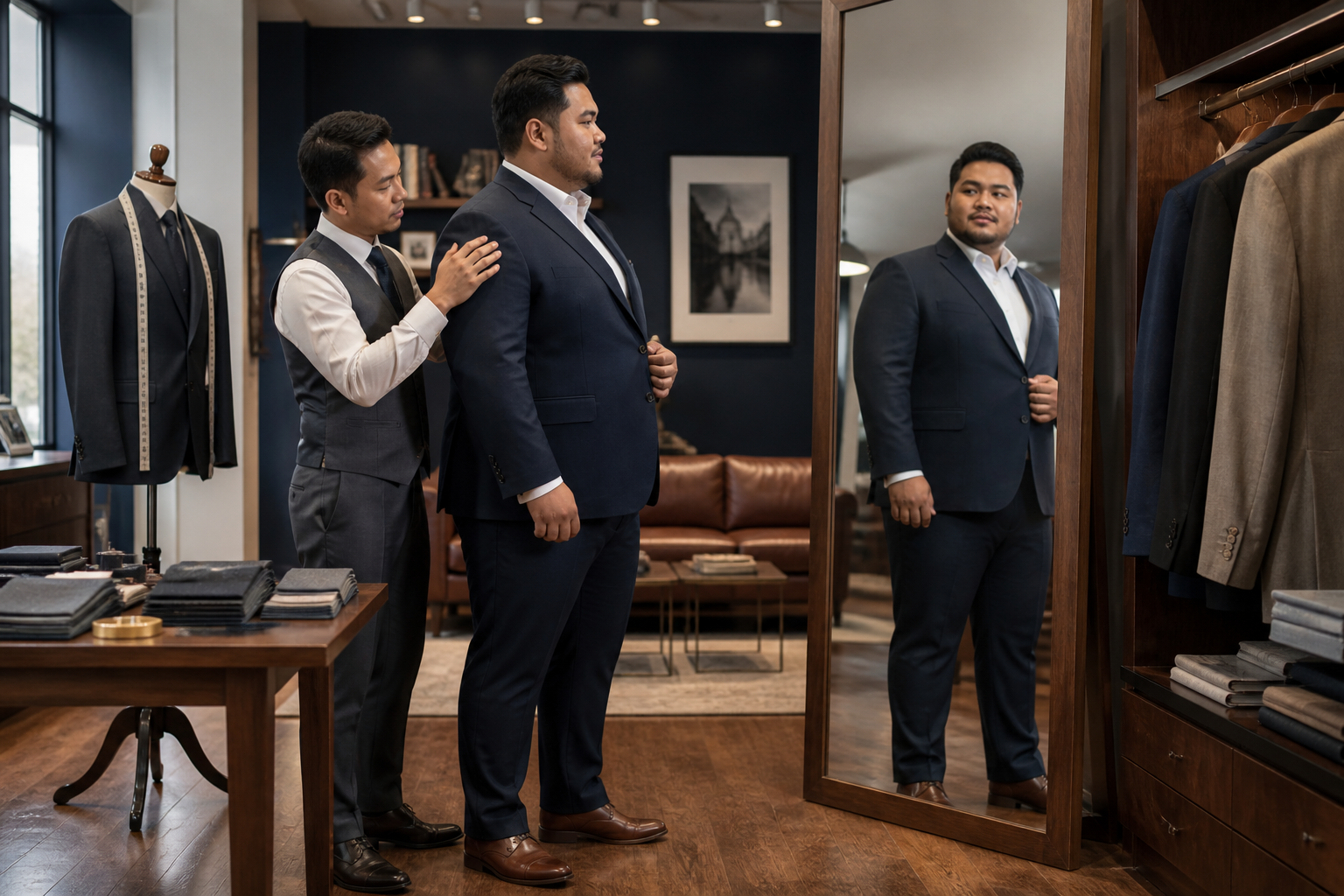
Finding well-fitting, stylish clothing presents unique challenges for plus-size individuals. Off-the-rack options often feature boxy cuts, limited size ranges, and designs that prioritize coverage over style. This comprehensive guide explores how bespoke tailoring in Bangkok provides inclusive solutions for plus-size clients, creating garments that flatter, fit comfortably, and express personal style while addressing Thailand's tropical climate.
The Plus-Size Challenge in Fashion
Limitations of Ready-to-Wear
The fashion industry has historically underserved plus-size consumers, with ready-to-wear presenting specific problems:
Sizing Issues:
-
Limited size ranges typically ending at XL or XXL
-
Inconsistent sizing across brands
-
"Vanity sizing" that doesn't reflect actual measurements
-
Grade rules that don't account for proportional differences in larger sizes
Design Problems:
-
Boxy, shapeless cuts that hide rather than flatter
-
Limited style options (basics only, no fashion-forward pieces)
-
Poor fabric quality in extended sizes
-
Lack of trend incorporation for plus-size lines
Fit Compromises:
-
Shoulders too wide when chest fits
-
Sleeves too long when torso fits
-
Trousers that gap at waist or are too tight in thighs
-
Armholes that restrict movement
These limitations leave plus-size individuals with few options that combine fit, style, and quality[^1^].
The Emotional Impact
Fashion exclusion affects more than wardrobe choices:
- Self-Esteem: Constant messaging that stylish clothing isn't "for you"
- Professional Perception: Difficulty projecting authority and competence
- Social Comfort: Anxiety about appearance at events and gatherings
- Identity Expression: Limited ability to communicate personal style
Bespoke tailoring addresses these concerns by creating clothing designed specifically for individual bodies, regardless of size.
The Philosophy of Inclusive Tailoring
Style Has No Size
Quality tailoring operates on a fundamental principle: every body deserves well-fitting, beautiful clothing. This philosophy manifests in several ways:
Custom Pattern Making:
-
Patterns created from individual measurements, not scaled from standard sizes
-
Proportional adjustments for different body shapes
-
No upper size limits on bespoke services
-
Accommodation for body asymmetries and unique proportions
Design Freedom:
-
Access to the same fabrics and styles as any client
-
Trend-forward options, not just conservative basics
-
Personal style consultation regardless of size
-
Creative solutions for specific preferences
Respectful Service:
-
Dignified, comfortable fitting experience
-
No judgment or assumptions about lifestyle
-
Focus on client goals and preferences
-
Confidential, professional environment
Bangkok's Advantage for Plus-Size Tailoring
Thailand's tailoring tradition offers specific benefits for plus-size clients:
Technical Expertise:
-
Decades of experience fitting diverse body types
-
Understanding of proportion and balance at any size
-
Skill in creating structure and support where needed
-
Knowledge of fabric behavior on different frames
Fabric Selection:
-
Access to wide range of quality fabrics
-
Mills producing materials in weights suitable for tropical climates
-
Options that provide structure without bulk
-
Breathable materials appropriate for Thailand's weather
Value Proposition:
-
Bespoke quality at accessible prices
-
Investment in pieces that fit perfectly
-
Longevity through quality construction
-
Cost-per-wear advantage over disposable fashion
Understanding Plus-Size Body Types
Common Plus-Size Proportions
Plus-size bodies vary significantly, requiring individualized approaches:
Apple Shape:
-
Weight concentrated in midsection
-
Broader shoulders and back
-
Slimmer hips and legs
-
Tailoring focus: Balance upper body, elongate torso
Pear Shape:
-
Weight concentrated in hips and thighs
-
Narrower shoulders and waist
-
Tailoring focus: Add shoulder presence, streamline lower body
Rectangle Shape:
-
Weight distributed relatively evenly
-
Less defined waist
-
Tailoring focus: Create waist definition, add shape
Hourglass Shape:
-
Defined waist with fuller bust and hips
-
Proportional upper and lower body
-
Tailoring focus: Maintain balance, enhance curves
Oval Shape:
-
Rounded midsection
-
Fuller face and neck
-
Tailoring focus: Elongate, create vertical lines
Measurement Considerations
Plus-size tailoring requires attention to specific measurements:
Beyond Basic Measurements:
-
Posture assessment (affects pattern balance)
-
Shoulder slope and width
-
Arm position and movement range
-
Waist placement and comfort preferences
-
Thigh circumference and shape
-
Seat shape and proportions
Comfort Factors:
-
Ease allowances for movement and comfort
-
Breathability requirements
-
Preference for fitted vs. relaxed silhouettes
-
Specific areas requiring accommodation
Fabric Selection for Plus-Size Clients
Structure and Support
Certain fabrics provide benefits for plus-size garments:
Wool and Wool Blends:
-
Natural structure and drape
-
Breathability for comfort
-
Year-round appropriateness
-
Available in various weights for different needs
Tropical Wool (9-11 oz):
-
Appropriate for Bangkok climate
-
Provides structure without heaviness
-
Resists wrinkling during wear
-
Professional appearance
Wool-Silk Blends:
-
Added luster and drape
-
Lighter weight with structure
-
Luxurious feel
-
Good for special occasions
Cotton and Linen:
-
Maximum breathability
-
Casual and business-casual applications
-
Require more structure in construction
-
Seasonal appropriateness
Pattern and Color Strategies
Flattering Patterns:
-
Subtle textures over bold prints
-
Vertical elements that elongate
-
Small-scale patterns that don't overwhelm
-
Strategic placement of design elements
Color Considerations:
-
Darker colors for slimming effect (navy, charcoal, black)
-
Medium tones for versatility (medium gray, burgundy, forest green)
-
Strategic use of color blocking
-
Personal preference prioritized over "rules"
Bangkok Climate Adaptations
Tropical Solutions:
-
Open-weave fabrics for airflow
-
Half-lined or butterfly-lined construction
-
Breathable natural fibers
-
Moisture-wicking properties
Practical Considerations:
-
Lighter colors for heat reflection (when desired)
-
Fabrics that resist showing perspiration
-
Easy-care options for frequent rotation
-
Durability for regular wear
Style Strategies for Plus-Size Clients
The Foundation: Well-Fitting Suits
A properly fitted suit transforms appearance and confidence:
Jacket Design Elements:
- Lapels: Proportional width (3–3.5 inches) to balance frame
- Button Stance: Appropriate for torso length and shape
- Vents: Double vents for movement and seat coverage
- Pockets: Positioned to flatter proportions
- Length: Proportional to height and body shape
Trouser Design Elements:
- Rise: Comfortable height avoiding muffin top
- Waistband: Structured but not restrictive
- Thigh: Adequate room for comfort and movement
- Leg: Tapered appropriately (not too tight, not too wide)
- Length: Proper break on shoes
Business Professional Attire
The Executive Suit:
-
Single-breasted, two-button (most versatile)
-
Dark navy or charcoal
-
Structured construction for professional presence
-
High-quality fabric with subtle texture
-
Properly fitted shirt with spread collar
Shirt Specifications:
-
Custom fit accommodating neck and chest
-
Spread collar to balance face shape
-
French or barrel cuffs
-
Quality cotton (100-120 thread count)
-
Proper sleeve length
Accessories:
-
Ties in appropriate width and length
-
Pocket squares for polish
-
Quality leather shoes in extended sizes
-
Belts that fit properly at waist
Smart Casual Options
The Blazer Wardrobe:
-
Navy blazer (versatile staple)
-
Patterned sport coats for variety
-
Unstructured options for comfort
-
Seasonal fabrics (linen, cotton, lightweight wool)
Trouser Separates:
-
Chinos in multiple colors
-
Wool trousers for elevated casual
-
Proper fit through thigh and seat
-
Comfortable waistband construction
Shirt Options:
-
Oxford cloth button-downs
-
Polo shirts (properly fitted)
-
Casual fabrics with structure
-
Patterns and colors expressing personality
Formal and Special Occasion
Black Tie and Formal Events:
-
Properly fitted tuxedo or dinner jacket
-
High-waisted trousers with side tabs
-
Quality formal shirts
-
Appropriate accessories (cummerbund, bow tie)
Wedding Attire:
-
Coordination with wedding party
-
Seasonal fabric considerations
-
Comfort for extended wear
-
Photography considerations (fit shows in photos)
The Bespoke Process for Plus-Size Clients
Consultation and Design
Initial Meeting:
-
Discussion of needs, preferences, and lifestyle
-
Review of style inspirations and preferences
-
Fabric selection with guidance on appropriate options
-
Design decisions (lapels, pockets, details)
Measurement Process:
-
Comprehensive measurements (30+ points)
-
Posture and proportion assessment
-
Discussion of fit preferences (fitted vs. comfortable)
-
Photography for pattern reference
Pattern Creation:
-
Individual pattern drafted from measurements
-
Proportional adjustments for body shape
-
Accommodation for movement and comfort
-
No standard sizing used
Fittings and Refinement
First Fitting (Basted):
-
Try-on of loosely constructed garment
-
Assessment of major proportions
-
Length and balance verification
-
Comfort and movement testing
Second Fitting:
-
Near-complete garment
-
Detailed fit refinement
-
Button placement verification
-
Final length adjustments
Third Fitting (if needed):
-
Final minor adjustments
-
Comfort confirmation
-
Detail verification
-
Delivery preparation
Timeline and Expectations
Standard Process:
-
Initial consultation: 60-90 minutes
-
First fitting: 2-3 weeks
-
Second fitting: 1 week later
-
Final delivery: 4-5 weeks total
Factors Affecting Timeline:
-
Complexity of design
-
Number of garments
-
Fabric availability
-
Fitting schedule coordination
Addressing Common Concerns
"Will bespoke make me look thinner?"
Proper tailoring improves appearance through:
- Proportion: Balanced silhouette regardless of size
- Structure: Support where needed, shape where desired
- Fit: No pulling, gaping, or boxiness
- Confidence: Comfort enables better posture and presence
While bespoke clothing won't change body size, it creates the most flattering presentation of your frame.
"I'm self-conscious about being measured"
Professional tailors understand these concerns:
- Private fitting rooms: Comfortable, confidential environment
- Professional demeanor: Respectful, matter-of-fact approach
- Client comfort priority: Accommodations for modesty preferences
- Experience: Tailors have fitted diverse bodies without judgment
Remember: Tailors want to create clothing that makes you look and feel your best. Their focus is on the garment, not judgment.
"Will the clothes be comfortable?"
Comfort is a primary goal of bespoke tailoring:
- Ease allowances: Built-in room for movement
- Breathable fabrics: Natural fibers appropriate for climate
- Proper construction: No restrictive seams or tight areas
- Personal preferences: Fit adjusted to your comfort priorities
Bespoke clothing should feel better than ready-to-wear because it's made for your body.
"Can I get trendy styles in plus sizes?"
Bespoke tailoring provides access to any style:
- Current trends: Same fashion options as standard sizes
- Personal style: Expression of individual preferences
- Age-appropriate: Styles suited to client, not stereotypes
- Occasion-specific: From conservative business to fashion-forward
There are no style limitations in bespoke—only choices based on preference.
Building a Plus-Size Wardrobe
Essential Foundation Pieces
Priority Order:
1. Navy suit: Most versatile business piece
2. Charcoal suit: Alternative business option
3. Navy blazer: Separates for multiple occasions
4. Gray trousers: Versatile pairing option
5. White and blue dress shirts: Foundation shirt wardrobe
6. Patterned shirts: Personality and variety
Investment Strategy:
-
Start with highest-quality pieces for frequent wear
-
Build gradually rather than compromising on essentials
-
Prioritize fit over quantity
-
Consider cost-per-wear value
Seasonal Considerations
Hot Season (March-June):
-
Lightweight tropical wool
-
Linen and cotton options
-
Lighter colors where appropriate
-
Half-lined construction
Rainy Season (July-October):
-
Slightly heavier fabrics
-
Darker colors (practical for weather)
-
Quick-drying options
-
Layering pieces
Cool Season (November-February):
-
Heavier wool options
-
Layering possibilities
-
Texture and pattern variety
-
Full construction
Special Event Planning
Wardrobe for Specific Needs:
-
Wedding guest attire
-
Business conference clothing
-
Vacation/cruise wardrobe
-
Holiday party outfits
-
Job interview preparation
Bespoke allows planning ahead for important events with confidence in fit and style.
Care and Maintenance
Daily Care
Post-Wear Routine:
-
Hang on shaped hangers immediately
-
Brush with clothes brush
-
Allow 24 hours between wears
-
Spot clean minor marks
-
Air out in ventilated space
Storage:
-
Cedar hangers for shape and freshness
-
Garment bags (breathable cotton)
-
Adequate closet space (no cramming)
-
Climate-controlled environment when possible
Professional Cleaning
Dry Cleaning Guidelines:
-
Limit to 2-3 times per year
-
Spot clean between professional cleaning
-
Choose reputable cleaners
-
Specify any special care requirements
Shirt Laundering:
-
Professional service recommended
-
Starch preferences specified
-
Inspect before accepting
-
Address stains immediately
Alterations and Updates
When to Seek Service:
-
Weight changes affecting fit
-
Minor repairs (buttons, seams)
-
Style updates (lapel width, length)
-
Refresher pressing
Bespoke Advantage:
-
Original patterns on file
-
Easier adjustments than ready-to-wear
-
Relationship with tailor for ongoing care
-
Investment protection through maintenance
Frequently Asked Questions
Is there a size limit for bespoke tailoring?
Quality bespoke tailors do not impose size limits. The process involves creating individual patterns from your measurements, regardless of size. Jesse & Son has successfully fitted clients across the full size spectrum, from slim builds to 6XL and beyond. The focus is on creating well-fitting, flattering garments for every body[^2^].
How much does plus-size bespoke cost?
Bespoke pricing is typically based on:
- Fabric selection: Premium fabrics cost more regardless of size
- Construction complexity: Some designs require additional work
- Number of fittings: Complex fits may need extra appointments
Unlike ready-to-wear, bespoke doesn't typically charge "extra" for plus sizes—the price reflects the garment, not the body size. Expect to invest in quality that lasts.
Will bespoke clothes make me look smaller?
Properly fitted bespoke clothing creates the most flattering silhouette for your body:
-
Eliminates boxiness that adds visual volume
-
Provides structure and shape
-
Balances proportions
-
Creates clean lines
While bespoke won't change your body size, it presents your frame in the most flattering way possible, often creating a more streamlined appearance than ill-fitting ready-to-wear.
What if I lose weight after getting bespoke clothes?
Weight fluctuations are normal, and bespoke garments can be altered:
- Minor changes (5–10 lbs): Usually adjustable
- Moderate changes (10–20 lbs): May require more extensive work
- Significant changes (20+ lbs): May need new garments
Having your original pattern on file makes adjustments easier and more cost-effective than starting over.
Can I get the same styles as smaller-sized clients?
Absolutely. Bespoke tailoring provides access to:
-
Same fabric selections
-
Same style options
-
Same design details
-
Same fashion trends
There are no limitations based on size—only choices based on your preferences and what flatters your individual frame.
How do I know if bespoke is worth the investment?
Consider the value proposition:
- Fit: No compromises, perfect every time
- Comfort: Made for your body, not a standard size
- Longevity: Quality construction lasts years
- Confidence: Looking your best affects every interaction
- Cost-per-wear: Better value than disposable fashion
For plus-size clients who struggle to find well-fitting ready-to-wear, bespoke often proves more economical than repeatedly buying ill-fitting clothes.
What should I wear to my first fitting?
Fitting Day Attire:
-
Well-fitting undergarments (what you'll wear under clothes)
-
Shoes with heel height you typically wear
-
Examples of clothes you like (fit, style)
-
Photos of styles you admire
Comfort Priority:
-
Easy-to-remove clothing
-
Comfortable for standing and moving
-
Representative of your daily style
How long do bespoke garments last?
With proper care, bespoke garments last 5-10 years or longer:
- Quality construction: Superior stitching and materials
- Proper fit: Less stress on seams and fabric
- Careful maintenance: Regular brushing, proper storage
- Occasional refreshing: Pressing and minor repairs
The investment pays off through years of reliable service.
Can bespoke accommodate specific body concerns?
Bespoke excels at addressing specific needs:
- Posture considerations: Patterns adjusted for stance
- Mobility needs: Ease where movement requires
- Comfort priorities: Fit preferences accommodated
- Medical considerations: Adaptations for braces, prosthetics, etc.
Discuss any specific concerns during consultation—tailors can accommodate most needs.
What fabrics work best for plus-size clients in Bangkok?
Recommended Fabrics:
- 9–11 oz tropical wool: Structure with breathability
- Wool-silk blends: Lighter weight with drape
- Open-weave fabrics: Airflow for comfort
- Quality cotton: Casual options with structure
Considerations:
-
Breathability for climate
-
Structure for flattering drape
-
Durability for regular wear
-
Easy care for maintenance
How do I choose colors that flatter me?
Color Selection Guidance:
- Personal preference: Wear what you love
- Occasion appropriateness: Match the setting
- Complexion complement: Colors that enhance skin tone
- Wardrobe coordination: Pieces that work together
While dark colors have slimming effects, don't limit yourself—confidence in what you wear matters more than any "rule."
Should plus-size clients avoid certain patterns?
Pattern Considerations:
- Scale: Proportional to body size (not too small or overwhelming)
- Placement: Strategic positioning of design elements
- Personal taste: Wear what appeals to you
- Occasion: Appropriateness for setting
There are no absolute prohibitions—only choices about what you prefer and what flatters your individual frame.
How does the fitting process work for plus-size clients?
The Process:
1. Consultation: Discuss needs, preferences, style
2. Measurement: Comprehensive, respectful, private
3. First fitting: Basted garment, major adjustments
4. Second fitting: Refined fit, details verified
5. Final fitting: Confirmation and delivery
Comfort Priority:
-
Private fitting rooms
-
Professional, respectful approach
-
Adjustments for client comfort
-
Clear communication throughout
Can I get formal wear like tuxedos in plus sizes?
Absolutely. Bespoke formal wear includes:
- Tuxedos: Properly fitted for any size
- Dinner jackets: Elegant options for galas
- Wedding attire: Coordination with wedding parties
- White tie: The most formal options
Formal wear should fit perfectly regardless of size—bespoke ensures it does.
What if I've never worn a suit before?
First-Timer Guidance:
- Education: Explanation of options and styles
- Gentle guidance: Recommendations without pressure
- Comfort priority: Ensuring you feel good in what you wear
- Versatility focus: Pieces that work multiple ways
Tailors welcome first-time clients and provide patient, informative service.
How do I care for bespoke garments?
Daily Care:
-
Hang on shaped hangers
-
Brush after wearing
-
Allow rest between wears
-
Spot clean as needed
Long-term Care:
-
Professional cleaning 2-3 times yearly
-
Proper storage (cedar, breathable bags)
-
Prompt repair of minor issues
-
Periodic refreshing with tailor
Can I get casual clothes bespoke?
Casual Bespoke Options:
-
Sport coats: Versatile casual tailoring
-
Trousers: Chinos and casual pants
-
Shirts: Casual fabrics and styles
-
Overcoats: Outerwear for cooler weather
Bespoke isn't limited to business wear—any clothing can be custom-made.
 +66814437747
 @jesseandson