
Tracing the History of Bespoke Tailoring in Bangkok
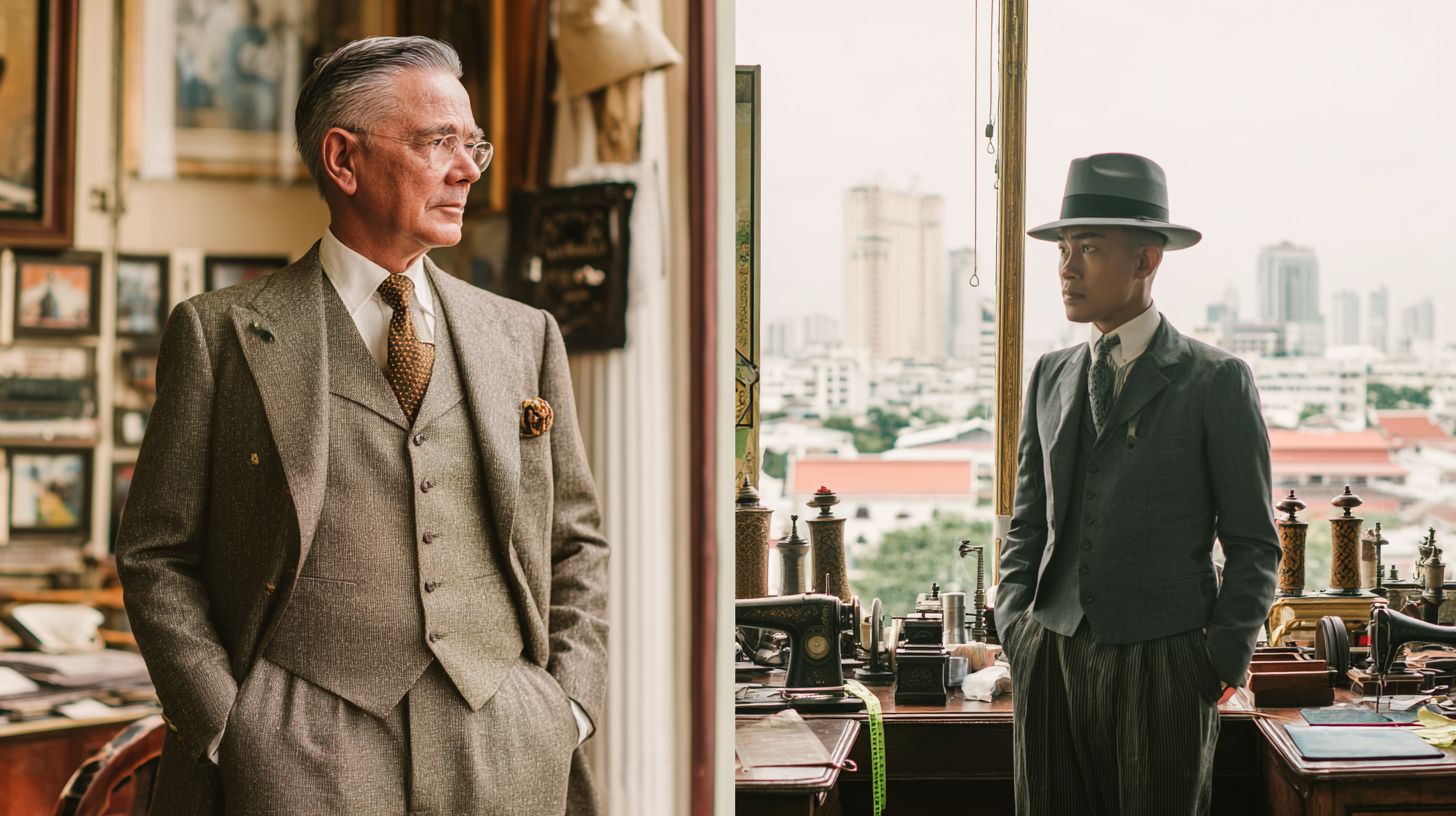
Bangkok has long been a place where craftsmanship and modern refinement meet, creating an environment in which bespoke tailoring continues to thrive. For travellers and residents seeking garments that balance precision with quiet elegance, the city’s tailoring culture offers a blend of technical skill, cultural heritage and contemporary restraint.
Early Tailoring Influences in Bangkok
The earliest form of bespoke tailoring in the city took shape through British expatriates who sought the quality and precision they were familiar with in Europe. Local ateliers adopted structured canvassing, careful pattern cutting and breathable materials suited to the tropical climate. Over time, these foundations helped establish a distinct approach to suiting in Thailand, blending imported methods with local adaptation.
By the early twentieth century, tailors were already integrating lightweight linens and tropical friendly linings, refining fits to maintain structure without unnecessary heat retention. Apprenticeship systems emerged to preserve consistency in stitching and pattern work, creating generational knowledge that still informs the craft today.
Integration of Thai Fabrics and Local Artisans
In the decades following independence, Thai silk and cotton began to play a greater role in custom suiting. Artisans developed techniques that respected both Western silhouettes and the character of local textiles. Lighter shoulder constructions, breathable linings and careful fabric testing supported comfort in humid conditions while preserving the integrity of tailored structure.
Training practices expanded through family workshops and formal programmes, ensuring that younger artisans could carry forward precise cutting and shaping techniques suited to modern wear.
Growth of Bangkok as a Tailoring Destination
From the 1970s onwards, increased international travel brought new clients and broader stylistic influences to Bangkok’s tailoring scene. Visitors sought custom garments that combined ease of wear with refined presentation, encouraging tailors to develop versatile designs suitable for events, business and leisure.
This period also saw greater access to global fabrics, allowing tailors to pair high quality wools and blends with established Thai materials. As expectations around turnaround times and fit accuracy grew, workshops refined internal processes to maintain quality while supporting a more international clientele.
Globalisation and Contemporary Craft
By the late twentieth century, Bangkok had become recognised for its balance of craftsmanship and accessibility. Tailors refined their methods to meet the needs of both local professionals and overseas travellers, offering everything from structured business attire to relaxed linen pieces suited to coastal and resort lifestyles.
Cultural exchange played a meaningful role during this era, with clients from different regions requesting particular lapel shapes, shoulder treatments and fabric combinations. This broadened the city’s design vocabulary and contributed to its reputation as a flexible and internationally aware tailoring hub.
Modern Bespoke Practices
Contemporary Bangkok tailoring continues to value hand finishing, balanced proportions and careful material selection. Many workshops quietly integrate supportive technologies such as digital pattern systems and updated measurement tools, while preserving craftsmanship in key elements like canvassing, shaping and final hand stitching.
The goal is not speed for its own sake, but dependable accuracy that supports both form and comfort. Fit, mobility and the longevity of the garment remain at the centre of the process.
Current Challenges and Sustainable Progress
Today’s tailors work within a shifting environment shaped by fast fashion, changes in consumer habits and evolving supply chains. While competition from mass produced garments is significant, bespoke pieces retain their value through durability, personalised comfort and long term sustainability.
Efforts to strengthen training, source responsibly produced materials and maintain craftsmanship standards help ensure that Bangkok’s tailoring tradition continues to move forward. The tropical climate also influences ongoing material innovation, encouraging the use of breathable blends and thoughtful internal construction.
Looking Ahead
Future development within the city’s bespoke sector will likely focus on sustainability, digital enhancement and continued preservation of artisanal skill. Online consultations, virtual previews and improved material transparency may support a broader client base, while careful stewardship of local techniques ensures that the essence of the craft remains intact.
Bangkok’s tailoring heritage is defined by quiet refinement, cultural adaptation and dedicated workmanship. For clients seeking garments that are measured, discreet and built for lasting wear, the city continues to offer a compelling and timeless approach to bespoke clothing.
 +66814437747
 @jesseandson