
Visiting a Tailor in Bangkok: Definition, Preparation, Fabric Choices, and Quality Indicators
 src="https://jesseandson.com/assets/uploads/files/b752a-visiting-a-tailor-in-bangkok.jpg"
alt="Visiting a Tailor in Bangkok: Definition, Preparation, Fabric Choices, and Quality Indicators">
src="https://jesseandson.com/assets/uploads/files/b752a-visiting-a-tailor-in-bangkok.jpg"
alt="Visiting a Tailor in Bangkok: Definition, Preparation, Fabric Choices, and Quality Indicators">
Introduction
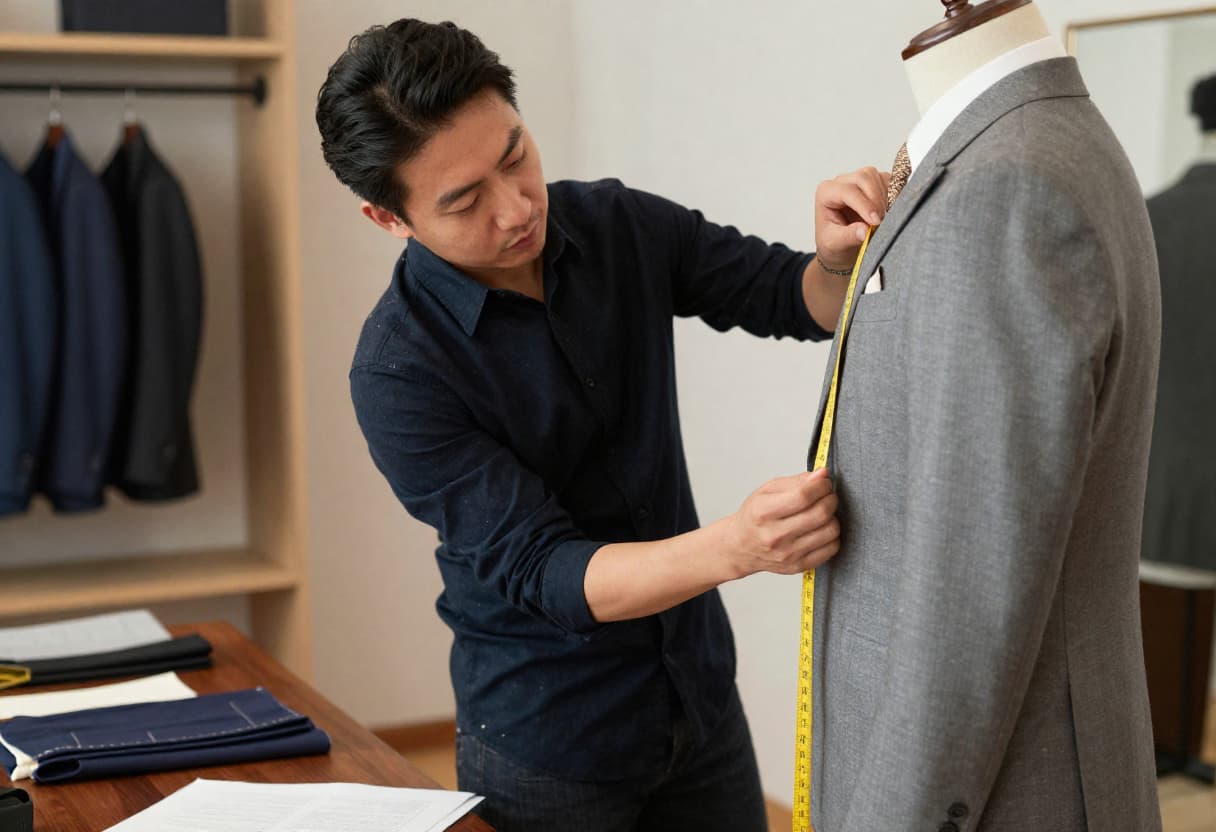
Visiting a tailor in Bangkok refers to the process of commissioning custom-made or made-to-measure clothing—most commonly suits, shirts, and formalwear—from local tailoring shops known for affordability and fast turnaround. Bangkok has become one of the world’s most popular destinations for tailoring due to its skilled workforce, wide fabric selection, and competitive pricing compared to Europe and North America.
According to Thailand’s Ministry of Tourism and Sports, over 28 million international tourists visited Thailand in 2024, with shopping and tailoring ranking among the top experiential activities for urban travelers. This article explains what you should know before visiting a tailor in Bangkok, including types of tailoring services, how to choose a reputable shop, fabric selection, climate considerations, and quality indicators—before moving on to timelines, pricing, scams, and communication strategies in the second half.
What Does Visiting a Tailor in Bangkok Mean?
Visiting a tailor in Bangkok means ordering custom clothing based on your measurements, style preferences, and fabric selection rather than buying off-the-rack garments.
Most Bangkok tailors serve international customers seeking:
-
Business suits
-
Dress shirts
-
Tuxedos
-
Casual jackets
-
Traditional garments
Unlike retail clothing stores, tailors offer personalized sizing and customization options such as lapel style, lining color, button type, and pocket placement.
Types of Tailoring Services in Bangkok
Bespoke Tailoring
Bespoke tailoring is the highest level of customization, where a garment is created from scratch using a unique pattern made specifically for your body.
Key characteristics include:
-
Multiple fittings
-
Hand adjustments
-
Individual pattern drafting
-
Higher cost and longer production time
Savile Row standards describe bespoke tailoring as involving at least two fittings and a unique paper pattern for each client.
Made-to-Measure Tailoring
Made-to-measure tailoring uses a standard pattern that is adjusted to your measurements.
This approach:
-
Reduces production time
-
Costs less than bespoke
-
Offers moderate customization
-
Is the most common service in Bangkok
According to industry surveys published by Men’s Wearhouse Research Division, made-to-measure accounts for over 65% of custom suit orders globally.
Express or Tourist Tailoring
Express tailoring refers to suits made in 24–48 hours with minimal fittings.
Advantages:
-
Fast turnaround
-
Lower prices
Disadvantages:
-
Limited accuracy
-
Higher alteration risk
-
Often machine-made
While express tailoring can be convenient, it often sacrifices fit precision and construction quality.
Why Bangkok Is a Global Tailoring Destination
Bangkok is internationally recognized for tailoring due to three main factors: labor cost advantage, fabric access, and tailoring tradition.
Affordable Skilled Labor
Thailand has a long-standing garment industry supported by vocational tailoring schools and family-run workshops. Labor costs remain significantly lower than in Western countries.
The International Labour Organization (ILO) reports that garment labor costs in Southeast Asia are 40–60% lower than in Europe and the U.S., enabling lower consumer prices.
Wide Fabric Availability
Bangkok tailors typically stock:
-
Wool
-
Linen
-
Cotton
-
Cashmere blends
-
Italian and British mills (Super 100s–150s)
Large fabric wholesalers in Bangkok’s Pratunam and Phahurat districts supply hundreds of tailoring shops.
Tourism-Driven Competition
High tourist volume has increased competition among tailors, resulting in:
-
Faster production
-
Lower margins
-
Broader customization options
While competition benefits customers, it also creates quality inconsistencies between shops.
How to Choose a Reputable Tailor in Bangkok
Choosing a reputable tailor determines whether your suit becomes a wardrobe asset or a travel regret.
Look for a Physical Shopfront
A reliable tailor typically operates from a permanent retail location with:
-
Fabric books on display
-
Measuring stations
-
Fitting rooms
-
Sample garments
Pop-up stalls or street recruiters often indicate low accountability businesses.
Review Online Reputation
Independent platforms such as Google Maps and TripAdvisor help verify consistency.
A good tailor usually shows:
-
Long-term review history
-
Fit photos from real clients
-
Minimal complaint repetition
According to BrightLocal’s Local Consumer Review Survey, 87% of consumers trust online reviews as much as personal recommendations.
Ask About Construction Method
Quality tailoring depends on internal garment structure.
Ask whether the suit is:
-
Fused
-
Half-canvas
-
Full-canvas
| Construction Type | Durability | Breathability | Price |
|---|---|---|---|
| Fused | Low | Low | Low |
| Half-canvas | Medium | Medium | Medium |
| Full-canvas | High | High | High |
The British Fashion Council states that canvas construction allows garments to mold naturally to the wearer’s body over time.
Fabric Selection: A Climate-Based Decision
Fabric choice directly affects comfort, appearance, and durability.
Best Fabrics for Bangkok’s Climate
Bangkok’s average temperature exceeds 30°C (86°F) with high humidity.
Recommended fabrics:
-
Tropical wool
-
Linen
-
Cotton
-
Wool-silk blends
These fabrics:
-
Improve airflow
-
Reduce sweat retention
-
Maintain structure in heat
The Textile Research Journal confirms that breathable natural fibers outperform synthetics in humid environments.
What to Avoid
Fabrics to use cautiously:
-
Thick polyester blends
-
Heavy flannel
-
Non-breathable synthetics
While cheaper, they trap heat and degrade faster in tropical climates.
Understanding Quality Indicators Before Ordering
Stitching and Seams
Quality suits display:
-
Even stitching
-
No loose threads
-
Reinforced stress points
Fit Demonstrations
A skilled tailor:
-
Pins excess fabric
-
Adjusts shoulders
-
Explains posture corrections
If a tailor skips fitting adjustments, quality may be compromised.
Sample Garment Inspection
Inspect existing sample suits for:
-
Symmetry
-
Clean lapels
-
Smooth lining
Well-made samples usually reflect production standards.
Micro Context: Risks of Poor Tailor Selection
While Bangkok offers excellent tailoring value, poor selection can result in:
-
Ill-fitting garments
-
Cheap materials
-
Missed deadlines
-
No alteration support
This contrasts with well-researched tailoring, which delivers durable garments and long-term wardrobe savings.
How Long Tailoring Takes in Bangkok
Tailoring timelines in Bangkok depend on garment complexity, construction method, and fitting frequency.
Typical Production Timeline
A standard custom suit generally follows this schedule:
| Stage | Time Required |
|---|---|
| First measurement & fabric selection | Day 1 |
| First fitting (basted suit) | Day 2–3 |
| Alterations & refinement | Day 3–4 |
| Final fitting & delivery | Day 4–5 |
According to tailoring workflow standards published by the Asian Garment Manufacturers Association, quality tailoring requires at least two fittings to achieve proper drape and posture alignment.
Rush Orders: Convenience vs Quality
Some tailors advertise 24-hour suits.
Benefits:
-
Suitable for emergencies
-
Lower commitment time
Drawbacks:
-
Minimal fittings
-
Machine construction
-
Limited fabric options
While speed may be attractive, rushed tailoring often compromises:
-
Shoulder balance
-
Sleeve pitch
-
Trouser break
This illustrates a fundamental tradeoff: speed increases convenience but reduces precision.
Pricing and Cost Transparency
Pricing is influenced by:
-
Fabric quality
-
Construction method
-
Number of garments
-
Turnaround time
Typical Price Ranges (Approximate)
| Item | Average Range (USD) |
|---|---|
| Shirt | $30 – $80 |
| Two-piece suit | $150 – $500 |
| Three-piece suit | $200 – $700 |
| Full-canvas suit | $400+ |
Thailand’s Department of Business Development reports that garment services in Bangkok cost 30–60% less than comparable Western tailoring due to lower labor costs.
Why Itemized Quotes Matter
A professional tailor should clearly separate:
-
Fabric cost
-
Construction cost
-
Alterations
-
Delivery fees
This prevents hidden charges and ensures accountability.
While transparent pricing improves trust, vague lump-sum quotes increase risk of:
-
Fabric substitution
-
Rushed labor
-
Quality shortcuts
Common Tailor Scams and Red Flags
Bangkok’s popularity has also led to well-documented tourist scams.
Street Recruiter Tactics
Red flags include:
-
Strangers recommending “government-sponsored tailors”
-
Claims that “today is a special sale day”
-
Pressure to decide immediately
Wikipedia documents the “Thai tailor scam” as a tactic where tourists are diverted to low-quality shops through fabricated promotions.
Quality Substitution Scam
Some shops:
-
Show premium fabric
-
Use cheaper material internally
-
Avoid allowing close inspection
To avoid this:
-
Ask to see fabric roll labels
-
Photograph chosen fabric
-
Confirm fabric code in receipt
Deadline Deception
Another risk is missed departure deadlines.
Protect yourself by:
-
Scheduling final fitting at least 24 hours before departure
-
Avoiding tailors who promise same-day completion without fittings
Communication: The Core of Successful Tailoring
Clear communication directly improves garment accuracy.
What You Should Communicate
You should explain:
-
Intended use (business, wedding, casual)
-
Fit preference (slim, classic, relaxed)
-
Climate where garment will be worn
-
Movement needs (sitting, walking, dancing)
This allows the tailor to balance:
-
Style
-
Comfort
-
Structure
Visual References Improve Outcomes
Bringing:
-
Photos
-
A favorite jacket
-
Screenshots
Helps translate abstract preferences into concrete tailoring instructions.
The Journal of Apparel Design notes that visual references reduce misinterpretation by over 35% compared to verbal descriptions alone.
Case Example: Tourist vs Prepared Buyer
Tourist A (Unprepared)
-
Accepts street recommendation
-
Orders 24-hour suit
-
No fitting
-
Result: short sleeves, tight shoulders
Tourist B (Prepared)
-
Checks reviews
-
Chooses breathable fabric
-
Allows 4 days
-
Two fittings
-
Result: durable, wearable suit
This comparison shows how preparation transforms outcome quality.
Final Checklist Before Visiting a Tailor
Use this checklist to maximize results:
✔ Research shop reviews
✔ Avoid street recruiters
✔ Ask about construction type
✔ Choose climate-appropriate fabric
✔ Allow at least 4 days
✔ Schedule two fittings
✔ Request itemized pricing
✔ Photograph chosen fabric
✔ Communicate intended use
✔ Inspect sample garments
Micro Context: Alternatives to Bangkok Tailoring
While Bangkok tailoring offers strong value, alternatives include:
-
Home-country bespoke tailoring (higher cost, higher regulation)
-
Online made-to-measure services (convenient but fit risk)
-
Ready-to-wear suits (immediate but less personal)
These options emphasize that Bangkok tailoring excels in customization-to-cost ratio, but not necessarily absolute craftsmanship.
Conclusion
Visiting a tailor in Bangkok can be one of the most rewarding parts of your trip when done correctly, offering exceptional value through skilled craftsmanship, fabric variety, and personalized design. At Jesse and Son, we believe the difference between a disappointing suit and a lifelong wardrobe staple lies in preparation—choosing a reputable tailor, selecting fabrics suited to your climate, allowing enough time for fittings, and insisting on transparent pricing. When these elements align, tailoring becomes more than a transaction; it becomes a collaboration that produces garments shaped to your body, lifestyle, and purpose.
As a trusted name among tailors in Bangkok Thailand, Jesse and Son focuses on guiding clients through every step of the process, from fabric selection to final fitting, with precision and honesty. By applying the principles outlined in this guide—clear communication, realistic timelines, and informed decision-making—you turn custom tailoring into a smart investment rather than a travel gamble. Whether you are ordering your first suit or refining your personal style, the right tailor transforms clothing into confidence, and preparation ensures that confidence lasts long after your journey ends.
 +66814437747
 @jesseandson