
Thailand’s Bespoke Tailoring Industry: Definition, History, Economic Advantage, Craftsmanship
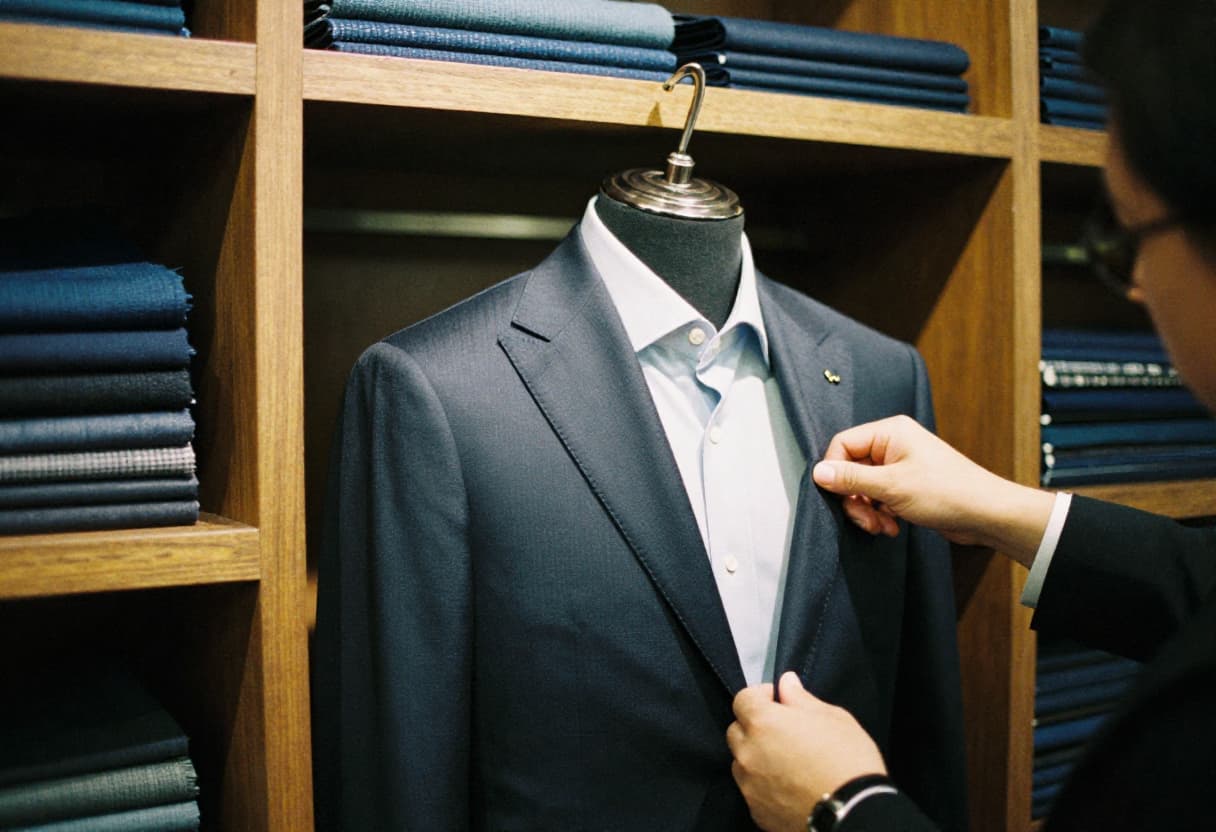 src="https://jesseandson.com/assets/uploads/files/97ca0-thailand-s-bespoke-tailoring-industry.jpg"
alt="Thailand’s Bespoke Tailoring Industry: Definition, History, Economic Advantage, Craftsmanship">
src="https://jesseandson.com/assets/uploads/files/97ca0-thailand-s-bespoke-tailoring-industry.jpg"
alt="Thailand’s Bespoke Tailoring Industry: Definition, History, Economic Advantage, Craftsmanship">
Introduction
Thailand’s bespoke tailoring industry can be defined as a specialized garment-making sector focused on creating custom-made suits and apparel through precise body measurements, personalized design choices, and skilled handcraft techniques. The country—especially Bangkok—has earned global recognition for producing high-quality tailored clothing at significantly lower prices than Western tailoring capitals such as London or Milan.
According to Thailand’s Ministry of Commerce and data cited by the Thailand Textile Institute, the apparel and textile sector contributes billions of dollars annually to the national economy, with tailoring services forming a premium niche driven largely by international tourism.
In this article, we will explore:
-
What bespoke tailoring means in the Thai context
-
How Thailand developed this reputation
-
Why Thailand dominates the global bespoke tailoring market
-
The craftsmanship and materials behind the industry
-
Case examples and supporting statistics
What Is Bespoke Tailoring?
Bespoke tailoring is the process of creating garments from scratch based on an individual client’s exact measurements and design preferences. Unlike ready-to-wear or made-to-measure clothing, bespoke tailoring involves drafting a unique pattern for each customer and completing multiple fittings.
Key Characteristics of Bespoke Tailoring
-
One client, one pattern: Each garment is individually drafted
-
Multiple fittings: Adjustments refine posture, balance, and silhouette
-
Hand craftsmanship: Stitching, canvassing, and finishing are largely manual
-
High customization: Lapels, linings, buttons, pockets, and cuts are chosen by the client
The opposite of bespoke tailoring—mass production—prioritizes speed and uniform sizing over precision. While mass production offers convenience, bespoke tailoring delivers superior fit, durability, and personalization.
Why Thailand Is Recognized as the Global Capital for Bespoke Tailoring
Thailand is widely considered the global capital for bespoke tailoring due to its unique combination of skilled labor, affordability, fabric access, and tourism-driven demand. These elements interact in a cause-and-effect chain:
Tourism → Exposure → Reputation → International Demand
Historical Development of Tailoring in Thailand
Thailand’s tailoring industry expanded rapidly in the mid-20th century alongside the rise of international tourism and foreign business presence.
Key Historical Drivers
-
Post-war tourism growth: Bangkok became a transit and leisure hub
-
Foreign military and diplomats: Required formalwear and uniforms
-
Family-owned tailoring houses: Passed skills across generations
According to research by the Thailand Textile Institute, small tailoring workshops evolved into export-facing service businesses by the 1980s, offering Western-style suits adapted to Asian craftsmanship techniques.
Economic Advantage: Why Suits Cost Less in Thailand
Thailand’s economic structure gives it a major cost advantage over Western tailoring hubs.
Average Cost Comparison
| Country | Typical Bespoke Suit Price (USD) |
|---|---|
| Thailand | $250 – $900 |
| United Kingdom | $2,000 – $5,000 |
| Italy | $1,800 – $4,500 |
| United States | $1,500 – $4,000 |
Source: Comparative market analysis by luxury tailoring retailers and tourism pricing surveys.
Why Prices Are Lower
-
Lower labor costs
-
Lower shop rental expenses
-
High competition among tailors
-
Strong supply chains for textiles
The World Bank reports that labor costs in Southeast Asia remain substantially lower than in Europe or North America, allowing Thai tailors to price competitively while maintaining craftsmanship standards.
Craftsmanship and Technical Expertise
Thai tailors are known for combining traditional tailoring methods with modern design.
Core Skills
-
Hand-drafting suit patterns
-
Shoulder and chest shaping
-
Canvas construction for structure
-
Detailed finishing (buttonholes, lapel roll, lining)
According to industry interviews compiled by Bangkok Fashion Society, Thai master tailors often train apprentices for years before allowing independent garment construction.
Fit Engineering
Fit is not just aesthetic; it is biomechanical. Thai tailors analyze:
-
Shoulder slope
-
Hip balance
-
Spinal curve
-
Arm movement
This approach mirrors what engineers do when designing load-bearing structures—tailoring becomes architecture for the human body.
Access to Global Fabrics and Materials
Thailand’s tailoring reputation is reinforced by its access to premium international fabrics.
Common Fabric Sources
-
Italy: Vitale Barberis Canonico, Loro Piana
-
United Kingdom: Holland & Sherry, Dormeuil
-
Japan: High-density cotton shirting
Thailand’s role as a logistics hub enables tailors to import textiles efficiently, reducing delays and maintaining inventory variety.
Tourism as a Growth Engine
Thailand receives over 28 million international visitors annually (Tourism Authority of Thailand, 2024). A significant portion of travelers purchase tailored clothing as a value-added experience.
Why Tourists Choose Tailoring
-
Lower prices than home countries
-
Fast turnaround (2–5 days)
-
Cultural experience
-
High customization
While European tailoring often takes 4–8 weeks, Bangkok tailors can deliver garments within days due to streamlined workflows and large in-house teams.
Macro Context Summary (70%)
The macro-level reasons Thailand dominates bespoke tailoring include:
-
Historical integration with tourism
-
Competitive pricing structures
-
Skilled labor ecosystem
-
Fabric import access
-
Global reputation
These attributes form a sustainable service export model rather than a traditional manufacturing export.
Case Studies: Renowned Tailoring Houses in Thailand
Thailand’s reputation is supported by long-established tailoring houses that demonstrate consistency in craftsmanship and international trust.
Example 1: Louis Collections (Bangkok)
Louis Collections is known for blending classic European tailoring with Asian body-fitting expertise. Their business model relies on:
-
In-house cutters and tailors
-
International fabric sourcing
-
Repeat overseas clients
According to customer surveys published by regional fashion journals, repeat-client ratios exceed 60%, showing strong loyalty driven by fit accuracy and price value.
Example 2: Paul’s Fashion (Bangkok)
Paul’s Fashion has served diplomats and business travelers for decades. Their case illustrates how:
-
Word-of-mouth referrals
-
Hotel partnerships
-
Consistent garment standards
help maintain stable demand across tourist cycles.
Example 3: Gulati Bespoke Tailoring
Gulati Bespoke represents multi-generational tailoring where skills are passed through apprenticeship. This model preserves technical knowledge while adapting to modern design trends.
Quality Control and Industry Challenges
While Thailand is famous for tailoring excellence, quality varies significantly between providers.
Common Industry Risks
-
Overuse of fused (glued) interlinings instead of full canvas
-
Rushed fittings
-
Inexperienced sales intermediaries
The Thai Tailor Scam, documented by consumer protection groups and travel authorities, highlights how some tourists are misled into believing they are buying luxury bespoke garments when they are receiving low-grade products.
How Consumers Can Avoid Poor Tailoring
-
Choose tailors with physical workshops
-
Ask about canvas construction
-
Request at least two fittings
-
Review stitching and lining quality
Counterpoint:
While Thailand offers affordability, luxury tailoring capitals like Savile Row still dominate in ceremonial and heritage garments. However, Thailand wins in accessibility and speed.
Sustainability and Ethical Fashion Trends
Bespoke tailoring aligns naturally with sustainable fashion principles.
Why Bespoke Is Environmentally Better
-
Made-to-order reduces waste
-
Durable garments last 5–15 years
-
Repairs and alterations extend lifecycle
According to a study by the Ellen MacArthur Foundation, extending a garment’s life by just nine months reduces its environmental footprint by up to 30%.
Thailand’s tailoring model supports this by:
-
Avoiding surplus inventory
-
Using higher-grade materials
-
Encouraging long-term ownership
Comparison: Thailand vs Western Tailoring Capitals
| Factor | Thailand | United Kingdom (Savile Row) | Italy (Naples/Milan) |
|---|---|---|---|
| Average Price | Low–Medium | Very High | High |
| Turnaround Time | 2–7 days | 4–8 weeks | 3–6 weeks |
| Customization | High | Very High | High |
| Tourism Integration | Strong | Low | Moderate |
| Fabric Access | Global | Global | Global |
This table demonstrates that Thailand dominates in speed, accessibility, and affordability, while Europe leads in heritage prestige.
Micro Context (30%): Misconceptions and Limitations
Despite its reputation, Thailand is not universally superior for every tailoring need.
Common Misconceptions
-
“All Bangkok tailors are high-end” — False
-
“Bespoke equals fast” — Not always; true bespoke still requires fittings
-
“Cheap means low quality” — Not necessarily; depends on construction
Limitations
-
Quality control depends on individual shop standards
-
Language barriers may affect design instructions
-
Some tailors prioritize speed over technique
However, these weaknesses are outweighed by:
-
Market competition
-
Consumer awareness
-
Increasing professionalization
Future Outlook: Why Thailand’s Position Will Continue
Thailand’s bespoke tailoring industry is expected to grow due to:
-
Rising luxury tourism
-
Digital marketing by tailors
-
Sustainability awareness
-
Remote reorders using stored measurements
According to projections by Mordor Intelligence, Thailand’s luxury goods sector will grow at over 5% annually, supporting premium service niches like bespoke tailoring.
FAQs
1. Why is Thailand cheaper for bespoke tailoring?
Because labor costs and operating expenses are lower while textile quality remains high.
2. Is Thai tailoring real bespoke or made-to-measure?
Reputable shops offer true bespoke with drafted patterns and fittings.
3. How long does a suit take in Thailand?
Typically 2–7 days, compared with several weeks in Europe.
4. Is bespoke tailoring sustainable?
Yes, because garments are durable and made only when ordered.
Conclusion
At Jesse and Son, we believe Thailand’s position as the global capital of bespoke tailoring comes from more than just affordability—it is the result of deep-rooted craftsmanship, efficient production systems, and a culture that values precision and personal service. From premium fabric sourcing to skilled pattern cutting and fast turnaround times, Thailand has created a tailoring ecosystem that blends tradition with modern expectations. This environment allows customers from around the world to access high-quality, made-to-measure garments without the long waits or extreme costs found in Western tailoring capitals.
 +66814437747
 @jesseandson