
Best Tailor Bangkok: 7 Proven Smart-Casual Looks for Professionals
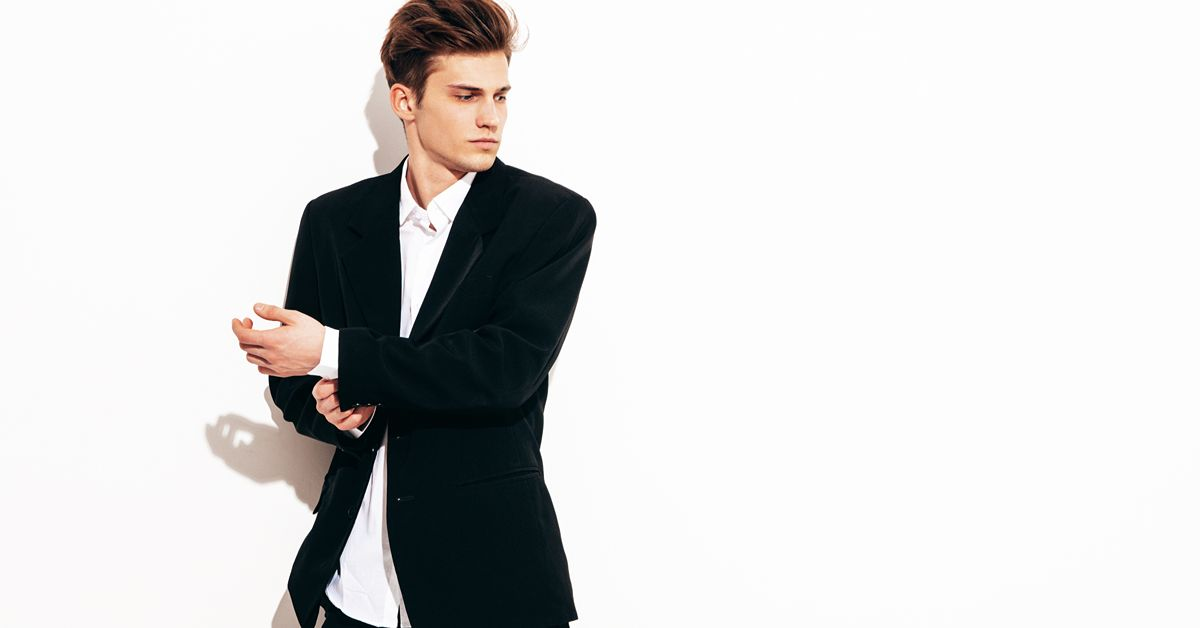
Getting dressed for work in Bangkok can be a balancing act. A sharp, tailored look is important for professional settings, but wearing a full suit every day isn't always practical, especially when moving between meetings, the office and after-work plans. That's where smart casual comes in. With the right combination of tailored blazers, well-fitted shirts and versatile trousers, it is possible to look polished without feeling overdressed. Finding the best tailor in Bangkok can help turn these everyday combinations into a wardrobe that works for different occasions.
What Does Smart Casual Mean at Work?
Smart casual sits between formal businesswear and relaxed everyday clothing, but the exact expectations vary between workplaces. One office may accept dark jeans and a blazer, while another expects tailored trousers and a collared shirt. Before choosing garments, consider client meetings, company culture, daily activities and after-work plans.
A useful starting point is to build each outfit around one polished piece. This might be a tailored blazer, pressed trousers or a well-fitting shirt. Keep the remaining pieces simple enough to complement the setting.
For example, a blazer over a casual T-shirt may work in a creative office but feel too relaxed in a corporate environment. Similarly, replacing formal trousers with chinos can make an outfit less structured without losing its professional appearance.
Three questions help establish the right direction:
- Where will the outfit be worn?
- Who will be meeting or working alongside?
- How formal should the overall appearance be?
The answers help determine the appropriate combination of structure, colour, fabric and detailing.
Which Seven Smart-Casual Looks Work For Professionals?
A versatile wardrobe does not require a separate outfit for every occasion. A few complementary garments can create several combinations suitable for different professional settings.
Here are seven starting points for building a practical smart-casual wardrobe.
| Look | Outfit Combination | Best Suited For |
|---|---|---|
| 1. Classic blazer and chinos | Navy blazer, light shirt and beige chinos | Regular office days and informal meetings |
| 2. Business casual separates | Charcoal blazer, white shirt and tailored grey trousers | Client meetings and presentations |
| 3. Oxford shirt and tailored trousers | Light blue Oxford shirt and navy trousers | Everyday office wear |
| 4. Soft-structured jacket | Unstructured jacket, open-collar shirt and chinos | Business lunches and after-work events |
| 5. Knit polo and dress trousers | Neutral knit polo and tailored trousers | Relaxed professional environments |
| 6. Smart denim combination | Dark jeans, tailored blazer and collared shirt | Creative workplaces and casual Fridays |
| 7. Lightweight summer tailoring | Linen-blend shirt and lightweight tailored trousers | Travel days and warmer working conditions |
These combinations are starting points rather than strict dress-code rules. Adjust the formality, colours and fabric choices according to workplace expectations and personal comfort.
One important consideration is whether individual garments are designed to work together. A suit jacket, for example, does not automatically make a suitable separate because its fabric, structure and formality may differ from those of casual trousers.
Which Blazer Details Make an Outfit Look Intentional?
Fit is the first detail to consider. The shoulder seam should sit naturally, the collar should rest cleanly against the shirt and the jacket should close without pulling. During a fitting, raise both arms, sit down and reach forward. A jacket that looks neat in front of a mirror but restricts movement may not be suitable for a full working day.
Structure also influences how formal a blazer appears. A more structured jacket creates a sharper silhouette, while an unstructured or softly tailored option generally offers a more relaxed appearance.
Consider these details when selecting a blazer:
Try the blazer over the shirt intended for regular use. Check whether the collar sits smoothly, the sleeves allow comfortable movement and the jacket closes without strain.
Ask the tailor to demonstrate both a more structured and a relaxed option before finalising the design. Small adjustments to jacket length, sleeve proportions and overall shape can significantly change how formal the finished garment looks.
How Should You Choose Shirts and Trousers for Bangkok?
Bangkok's warm, humid climate makes fabric selection an important part of everyday dressing. However, no fabric name alone guarantees comfort. Weight, weave, construction, lining and garment fit all influence how clothing feels after several hours of wear.
For shirts, consider lightweight cotton, cotton blends and linen. Oxford cloth offers a slightly more textured appearance, while Poplin provides a smoother finish that generally looks more formal.
Trousers should balance appearance with freedom of movement. Check the waist, seat, rise, thigh and hem together rather than considering each measurement independently. If the trousers will be worn with a belt, braces or particular shoes, bring those details to the fitting.
The same applies to shirts worn beneath jackets. A shirt that fits comfortably on its own may feel restrictive under a lined blazer. Check the collar, shoulders, chest, sleeves and cuffs while wearing both garments together.
Fabric selection should also account for maintenance. Some materials crease more readily than others, while certain blends may offer easier everyday care. Consider how frequently each garment will be worn and how much maintenance is practical.
For a closer look at material choices, check out our blog on the best fabrics for Bangkok's humid climate.
How Can You Make One Outfit Work from the Office to Evening?
A versatile smart-casual wardrobe should make it easy to move between professional and social settings without changing the entire outfit. The key is to choose tailored pieces that work well together and can be styled differently with a few simple adjustments.
For example, a navy blazer and tailored trousers can create a polished office look. Swapping a formal shirt for an Oxford shirt or knit polo, then changing the footwear, can make the same combination more relaxed for dinner.
A few details help make these combinations work:
- Complementary colours: Navy, grey, beige and white are easy to coordinate with other wardrobe staples.
- Compatible fabrics: Match lightweight shirts with jackets of suitable weight and structure.
- Versatile footwear: Loafers and simple leather shoes can work across different levels of formality.
- Comfort and movement: Choose garments that remain comfortable when sitting, walking and travelling.
- Easy maintenance: Consider how easily fabrics crease and what care they require throughout the day.
The practical side matters too. If the schedule includes meetings, commuting and an evening event, consider how the garments will look after several hours of wear. Fabric selection and maintenance requirements are worth discussing with the tailor beforehand.
Bringing photographs of existing wardrobe pieces to a consultation can also help. This allows the tailor to recommend colours, fabrics and designs that coordinate with clothing already owned.
For more ideas on creating adaptable clothing combinations, check out our blog on tailored shirts for weekend and smart-casual looks.
What Should You Discuss with a Bangkok Tailor?
A successful tailoring consultation starts with a clear understanding of how the garments will be worn. Rather than simply requesting a blazer or a pair of trousers, explain the occasions, combinations and level of formality required.
Bring a reference outfit, photographs or existing garments that demonstrate the preferred style. Be specific about fit problems. For example, explaining that a jacket pulls when reaching for a laptop gives the fitter more useful information than simply saying it feels uncomfortable.
It is also worth discussing:
- Garment selection: Which jackets, shirts and trousers can be made to coordinate?
- Fabric options: Which materials suit the intended use, climate and maintenance requirements?
- Construction: Would a structured, half-lined or unstructured jacket be more appropriate?
- Fittings: How many fitting stages are included, and what adjustments can be made?
- Order details: What are the pricing, alteration arrangements and expected collection dates?
Jesse & Son's website lists men's blazers, shirts, trousers, waistcoats and other tailored garments. The available designs, fabrics and combinations should be confirmed directly with the shop before placing an order.
A consultation is also an opportunity to discuss a longer-term wardrobe rather than ordering individual garments without considering how they will work together. For additional guidance, check out our blog on long-term wardrobe solutions for expats in Thailand.
Conclusion
Building a versatile smart-casual wardrobe starts with understanding the occasions, selecting complementary garments and getting the proportions right. At Jesse & Son, we help clients consider fit, fabric and individual preferences when creating tailored clothing for different professional and social settings. Whether the requirement is a relaxed blazer, custom shirts or coordinated trousers, a consultation can help establish which garments and combinations are most suitable. For anyone considering a Best Tailor Bangkok option, we recommend discussing the intended use, fabric choices and fitting process before making a decision.
FAQ
Is smart casual the same as business casual?
The terms overlap, but workplaces interpret them differently. Smart casual generally allows more relaxed combinations, while business casual may retain more traditional office clothing. The appropriate choice depends on company expectations.
Can I wear a blazer with jeans to the office?
Yes, provided the workplace allows it. Dark, well-fitting jeans generally create a more polished appearance than distressed or heavily faded denim. Pair them with a tailored blazer and collared shirt for a balanced outfit.
What should a smart-casual blazer fit like?
A blazer should sit naturally across the shoulders, rest smoothly against the collar and close without pulling. It should also allow comfortable movement when sitting, reaching and walking.
Which colours are easiest to combine?
Navy, grey, beige and white are versatile starting points. These colours can be combined with different shirts and trousers without creating overly complicated outfits. The best palette also depends on existing wardrobe pieces.
What fabric should I choose for Bangkok?
Consider lightweight cotton, linen and suitable wool blends, depending on the garment and intended use. Ask about fabric weight, weave, lining, breathability and maintenance rather than choosing based on fibre composition alone.
Can I wear suit trousers without the matching jacket?
Yes, provided the fabric, colour and overall formality work with the other garments. Some suit trousers are easier to wear separately than others, so discuss potential combinations when selecting the cloth.
How many tailored pieces do I need for a smart-casual wardrobe?
Start with the gaps in the existing wardrobe. A blazer, several shirts and two pairs of complementary trousers can create multiple combinations. The ideal number depends on how frequently smart-casual clothing is worn.
What should I bring to a tailor appointment?
Bring shoes and a shirt that will be worn with the finished outfit, reference photographs and any existing garments that should coordinate with the new pieces. A clear explanation of the intended occasions also helps the tailor recommend suitable designs.
 +66814437747
 @jesseandson
