
Thai Silk in Modern Bespoke Tailoring: A Complete Guide
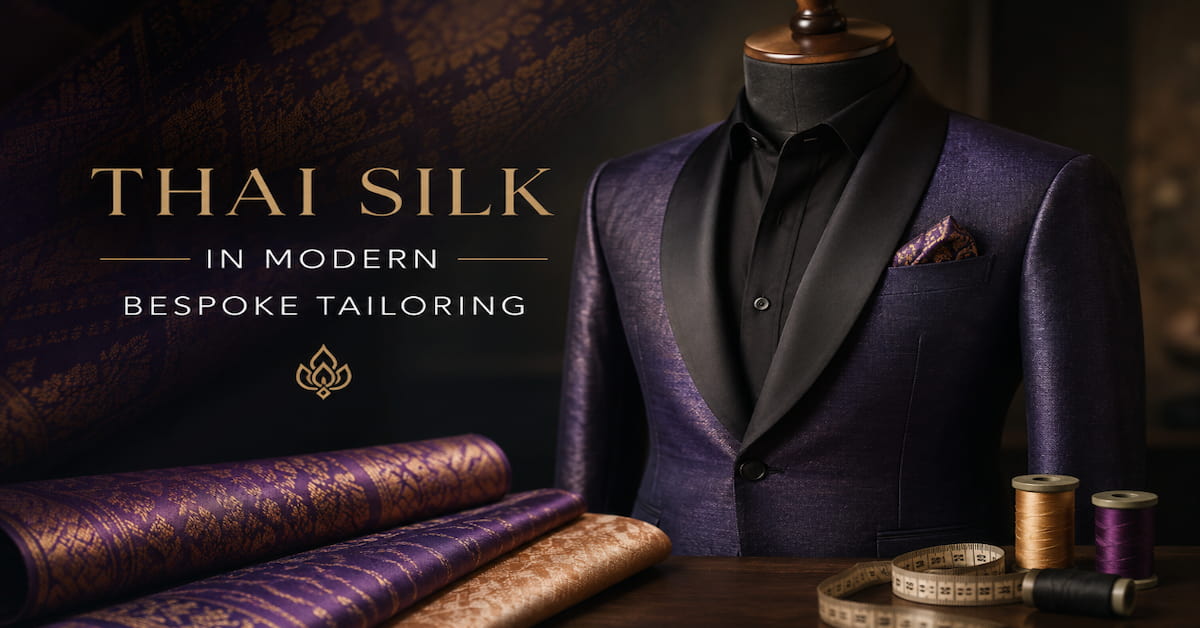
Thai silk is one of Thailand’s most recognised textiles. It carries a long craft heritage, a distinctive texture and a natural sheen that makes it instantly different from standard suit fabrics. Yet for many clients, Thai silk is still misunderstood when it comes to bespoke tailoring.
Some people imagine a full silk suit as the ultimate Bangkok statement piece. Others are unsure whether silk is practical in Thailand’s heat and humidity. The truth is more balanced. Thai silk can be beautiful in modern tailoring, but it needs to be used in the right way, with the right construction and for the right occasion.
At Jesse & Son, we help clients understand how silk works in real garments, not just on a fabric swatch. This guide explains what makes Thai silk distinctive, where it works best in bespoke tailoring, what to consider before choosing it, and how to care for silk garments in Bangkok’s climate.
What Makes Thai Silk Different?
Thai silk is known for its rich colour, natural shine and slightly irregular texture. These qualities come from the way the silk is produced, dyed and woven.
Unlike many mass-produced fabrics, traditional Thai silk often carries small variations in the weave. These are not flaws. They are part of the fabric’s character and help show the human craft behind the material.
The Heritage Behind Thai Silk
Thai silk has been produced for generations, especially in Thailand’s northeastern region. The process traditionally begins with silkworm cultivation, followed by reeling, dyeing and weaving.
The main stages include:
| Stage | What Happens | Why It Matters |
|---|---|---|
| Reeling | Silk filaments are drawn from cocoons and turned into yarn | Affects smoothness, strength and texture |
| Dyeing | Yarn is coloured before weaving | Helps create deeper, richer colour |
| Weaving | Silk yarn is woven into fabric | Gives the fabric its final texture and pattern |
| Finishing | Fabric is cleaned, pressed and prepared for use | Improves handle, shine and usability |
Traditional handwoven silk usually has more visible character, while machine-woven silk tends to look more regular and consistent.
Thai Silk and the Royal Peacock Mark
In Thailand, the Royal Peacock certification mark is used to help identify Thai silk standards. The system includes different categories, such as Royal Thai Silk, Classic Thai Silk, Thai Silk and Thai Silk Blend.
This matters because not every fabric sold as “Thai silk” has the same level of craftsmanship, silk content or production method. When buying silk for tailoring, it is always worth asking where the fabric comes from and what type of silk it is.
Thai Silk vs Regular Silk: What Is the Difference?
Thai silk is not simply “silk made in Thailand.” It has a distinct appearance and feel compared with many Chinese, Indian or European silk fabrics.
| Feature | Thai Silk | Regular Silk Fabrics |
|---|---|---|
| Texture | Often slightly textured or irregular | Usually smoother and more uniform |
| Appearance | Rich sheen with strong colour depth | Can be glossy, matte or soft depending on weave |
| Structure | Can feel firmer and more substantial | Varies widely by type and weight |
| Character | Strong handmade or heritage feel | Often more polished and consistent |
| Best Use | Statement tailoring, accents, linings, occasion wear | Shirts, linings, eveningwear and accessories |
For bespoke tailoring, this difference is important. Thai silk can create a more distinctive garment, but it may not behave like standard wool, cotton or synthetic blends.
Is Thai Silk Good for Bespoke Suits?
Thai silk can be used in bespoke suits, but it is not the best choice for every suit. It works best when the client understands both its beauty and its limitations.
When Thai Silk Works Well
Thai silk is a good choice for:
-
Formal occasion jackets
-
Wedding jackets
-
Dinner jackets
-
Statement blazers
-
Silk linings
-
Lapel facings
-
Pocket squares
-
Ties and scarves
It is especially effective when you want the garment to feel connected to Thailand, while still keeping a refined modern look.
When Thai Silk May Not Be Practical
Thai silk may not be the best option for:
-
Daily business suits
-
Travel suits
-
Trousers worn often
-
Full suits for long outdoor events
-
Garments that need frequent cleaning
-
Extremely slim fits with high movement stress
Silk can wrinkle, show moisture marks and require more careful maintenance than wool or cotton. For clients who need a suit for frequent wear, we usually recommend considering tropical wool, lightweight wool blends or wool-silk blends instead.
For more climate-focused fabric advice, read our guide on the best fabrics for Bangkok’s humid climate.
Best Ways to Use Thai Silk in Modern Tailoring
Thai silk does not always need to be used for a full suit. In many cases, smaller details create a more wearable and elegant result.
1. Thai Silk Jacket Linings
A silk lining is one of the most practical ways to include Thai silk in bespoke tailoring. It adds personality inside the jacket while keeping the outer suit more versatile.
This works well for clients who want:
-
A subtle Thai-inspired detail
-
A personalised suit interior
-
A special lining for a wedding or event jacket
-
A luxurious feel without a full silk suit
2. Thai Silk Dinner Jackets
Thai silk can look excellent in dinner jackets or formal evening jackets. The fabric’s sheen helps the jacket stand out in photographs and evening lighting.
A Thai silk dinner jacket works best for:
-
Weddings
-
Gala dinners
-
Formal receptions
-
Luxury events
-
Destination celebrations
To keep the look refined, pair it with simple trousers, a clean shirt and understated accessories.
3. Thai Silk Wedding Jackets
For grooms, Thai silk can add local character to a wedding outfit, especially for weddings in Thailand. A silk jacket or silk accent can feel meaningful without becoming too traditional or costume-like.
Good options include:
-
A Thai silk lining with a wool suit
-
A silk-blend jacket
-
A Thai silk waistcoat
-
A pocket square made from Thai silk
-
Subtle silk detailing on the lapel or cuffs
If you are planning a wedding outfit, you may also find our blog on groom and bridesmaid tailoring for Bangkok weddings useful.
4. Thai Silk Accessories
Accessories are the easiest way to wear Thai silk. They allow you to enjoy the fabric’s colour and texture without the maintenance demands of a full garment.
Popular options include:
-
Ties
-
Pocket squares
-
Scarves
-
Waistcoat accents
-
Jacket linings
This is often the best choice for travellers who want something meaningful, wearable and easy to pack.
Thai Silk Blends: A More Practical Option
For many clients, a silk blend is more practical than pure silk. Wool-silk blends are especially useful because they combine the structure of wool with the subtle sheen of silk.
Why Choose a Wool-Silk Blend?
A wool-silk blend can offer:
-
Better structure than pure silk
-
Improved wrinkle resistance
-
A softer shine
-
Better suitability for suits and jackets
-
More comfort for longer events
This makes it a good option for clients who want a refined appearance but still need the garment to perform well in real conditions.
Silk Blend vs Pure Silk
| Option | Best For | Main Benefit | Main Limitation |
|---|---|---|---|
| Pure Thai silk | Statement pieces and special events | Strong heritage look and rich sheen | Requires careful care |
| Wool-silk blend | Suits, jackets and formalwear | Better structure and wearability | Less traditional silk texture |
| Silk lining | Personalised jacket interiors | Adds luxury without affecting daily wear | Mostly hidden when worn |
| Silk accessories | Easy styling | Simple and affordable way to use silk | Smaller visual impact |
What to Ask Before Choosing Thai Silk
Before choosing Thai silk for a bespoke garment, ask the right questions. This helps ensure the final piece suits your lifestyle, not just your taste.
Questions to Ask Your Tailor
Ask your tailor:
-
Is this pure silk or a silk blend?
-
Is the silk handwoven or machine-woven?
-
Is it suitable for Bangkok’s humidity?
-
Will it wrinkle easily?
-
Can it be used for a full jacket or only for accents?
-
How should I clean and store it?
-
Is it suitable for my event or travel schedule?
At Jesse & Son, we guide clients through these questions during the fabric consultation. Our goal is to help you choose a fabric that looks good, feels comfortable and matches how often you plan to wear it.
If this is your first custom tailoring experience, read our guide on visiting a tailor in Bangkok.
What Affects the Price of Thai Silk Tailoring?
The cost of a Thai silk garment depends on the fabric type, silk quality, construction, design and level of handwork involved. A full silk jacket or suit will usually cost more than a standard wool garment because the fabric can be more delicate to cut, handle and finish.
Main Price Factors
| Factor | Why It Affects Cost |
|---|---|
| Silk type | Handwoven silk usually costs more than machine-woven silk |
| Fabric origin | Certified or heritage silk may carry a premium |
| Pattern complexity | More detailed woven patterns require more skill |
| Garment type | Jackets and suits require more construction than accessories |
| Construction | Bespoke work requires fittings, shaping and finishing |
| Fabric handling | Silk needs careful cutting and stitching |
For exact garment pricing, it is best to check our Bangkok tailor pricing guide or speak with our team directly. Prices can vary depending on fabric selection and garment requirements.
How to Care for Thai Silk Garments in Bangkok
Thai silk needs more careful care than everyday wool or cotton. Bangkok’s humidity makes proper storage especially important.
Daily Care Tips
After wearing a silk garment:
-
Hang it on a proper hanger
-
Let it air before storing
-
Avoid direct sunlight
-
Do not pack it tightly in plastic
-
Brush off dust gently
-
Keep it away from moisture-heavy spaces
Silk absorbs moisture, so air circulation is important. Never leave a silk jacket sealed in a plastic garment bag for long periods in humid weather.
Cleaning Thai Silk
Thai silk should not be cleaned too often. Frequent dry cleaning can weaken the fibres and affect the fabric’s finish.
Follow these care rules:
-
Blot spills immediately
-
Do not rub stains
-
Avoid washing at home unless care instructions allow it
-
Use a cleaner experienced with silk
-
Steam gently if needed
-
Avoid high heat when pressing
If your garment is made by Jesse & Son, we can advise you on the best care method based on the exact fabric used.
Storage Tips for Humid Weather
For longer storage:
-
Use a breathable garment bag
-
Keep garments in a cool, dry wardrobe
-
Add moisture absorbers if needed
-
Avoid plastic covers
-
Allow space between garments
-
Check occasionally for mildew or odour
Good storage helps preserve the colour, texture and structure of silk garments.
Thai Silk in Modern Bespoke Tailoring: Who Is It Best For?
Thai silk is best for clients who want something meaningful, elegant and connected to Thailand’s textile heritage. It is especially suitable for those who already own practical business suits and want a more distinctive garment for special occasions.
Thai Silk Is a Good Choice If You Want:
-
A unique Bangkok-made garment
-
A wedding or event jacket
-
A statement dinner jacket
-
A luxurious lining
-
A Thai-inspired detail
-
A memorable travel purchase
-
A garment with cultural character
Choose Another Fabric If You Need:
-
A daily office suit
-
A low-maintenance travel suit
-
A wrinkle-resistant garment
-
A suit for long outdoor events
-
A fabric that can handle frequent cleaning
For everyday wear in Thailand, tropical wool or a lightweight wool blend may be more practical. For special occasions, Thai silk can be a beautiful choice when used thoughtfully.
Conclusion
Thai silk is not just a fabric choice. It is a way to bring Thai heritage, texture and elegance into modern tailoring. Used well, it can make a jacket, lining or formal garment feel personal and memorable. Used without the right guidance, it can become difficult to maintain or uncomfortable for regular wear.
At Jesse & Son, we help clients choose silk carefully based on the occasion, climate, garment type and personal style. Whether you want a Thai silk accent, a wedding jacket or a refined silk-blend suit, our team can guide you through the options with the experience of a trusted Bangkok suit tailor.
FAQ: Thai Silk in Bespoke Tailoring
Is Thai silk suitable for a full suit?
Yes, but it depends on the silk weight, weave and occasion. A full Thai silk suit is best for special events rather than daily business wear. For more practical use, a silk blend or silk jacket may be a better choice.
Is Thai silk comfortable in Bangkok’s heat?
Thai silk can feel breathable in some weaves, but pure silk may also show moisture and cling in humid conditions. For long events in Bangkok, wool-silk blends or tropical-weight fabrics are often more comfortable.
What is the best way to use Thai silk in a suit?
The most practical options are linings, dinner jackets, wedding jackets, waistcoats, pocket squares and ties. These allow you to enjoy Thai silk’s character without making the entire garment difficult to maintain.
How do I know if Thai silk is genuine?
Ask about the fabric source, silk content and whether it carries a recognised certification such as the Royal Peacock mark. Genuine Thai silk often has natural texture and slight irregularity, while mass-produced fabrics may look overly uniform.
Can Thai silk be used in Western-style tailoring?
Yes. Thai silk can work very well with Western tailoring, especially in jackets, linings, waistcoats and formalwear. The key is choosing the right fabric weight and construction.
How long does a Thai silk garment last?
With proper care, a Thai silk garment can last for many years. Its lifespan depends on how often it is worn, how it is cleaned and how it is stored in humid conditions.
Should I choose pure silk or a silk blend?
Choose pure silk for statement pieces and special occasions. Choose a silk blend if you want better structure, easier wear and more practical performance.
 +66814437747
 @jesseandson