
Why Our Milanese Buttonholes Make Us the Best Tailor in Bangkok
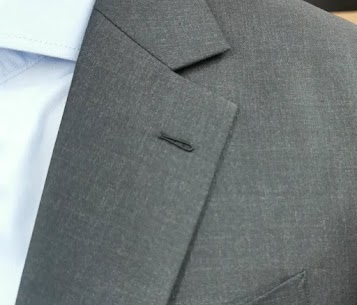
At Jesse & Son Custom Tailors, every detail matters, right down to the lapel buttonhole.
Our Milanese buttonholes are fully hand-sewn using silk twist and a gimp cord, giving your suit a raised, elegant finish you won’t find in most shops. This time-intensive process takes 20–40 minutes for just one buttonhole, but it’s worth it. It’s a mark of true craftsmanship and one reason we’re known as the best tailor in Bangkok.
Whether you’re ordering a custom suit in Bangkok for your wedding, business, or personal style, we make sure every stitch is perfect.
A Milanese buttonhole may be one of the smallest details on a jacket, but that is exactly why we believe it says so much about how a suit has been made. When a tailor is willing to devote this much attention to something that measures only a few centimetres, it reflects a wider approach to craftsmanship that extends throughout the garment.
What Makes a Milanese Buttonhole Different?
At first glance, the buttonhole on a suit lapel may seem purely decorative. Traditionally, however, it is an important finishing detail, and the Milanese style elevates it considerably.
Instead of relying on an ordinary machine-finished buttonhole, a Milanese buttonhole is created by hand. A supporting gimp cord gives the buttonhole its distinctive raised shape, while silk twist is carefully stitched around it to produce a clean and structured finish.
The result has more dimension than a flat machine-made buttonhole. It sits slightly proud of the lapel and catches the eye without becoming overly decorative.
That balance is what makes the detail so appealing. It can be noticed by someone who understands tailoring, while remaining subtle enough to work naturally with a classic business suit, wedding suit, tuxedo, or more individual jacket.
Why Does One Buttonhole Take 20–40 Minutes?
The answer is precision.
When a Milanese buttonhole is sewn by hand, the craftsman needs to control the shape, tension and spacing of the stitching throughout the process. The gimp needs to remain properly positioned while the silk twist is worked around it, and the finished buttonhole needs to sit cleanly against the lapel.
There is very little room for shortcuts if the finished result is expected to look refined.
Spending 20–40 minutes on one buttonhole might seem excessive when viewed purely in terms of production speed. But bespoke tailoring is not simply about producing a garment as quickly as possible. It is about deciding where additional time and craftsmanship can make the finished garment feel more considered.
For us, the Milanese buttonhole is one of those places.
Small Details Reveal How a Suit Has Been Made
A beautiful lapel buttonhole cannot make a poorly fitted suit good. Fit, proportion, fabric and internal construction will always matter more.
What finishing details can do, however, is show the level of attention being given to the garment as a whole.
At Jesse & Son, Milanese buttonholes are part of a much broader approach to suit construction. Our suits are made with half-canvas construction as standard, while full-canvas construction is also available. This helps give the jacket structure while allowing the lapel to develop a more natural roll.
The same attention continues through details such as hand-stitched lapels and real horn or corozo buttons.
These elements may not immediately stand out across a room, but they contribute to the overall impression once the suit is worn. A good custom suit should not depend on one decorative feature. The fabric, fit, construction and finishing should work together.
That is how we approach tailoring.
Craftsmanship Starts Long Before the Buttonhole
The Milanese buttonhole is one of the final details people see, but much of the work that determines the quality of a suit happens earlier.
Every suit begins with understanding how the client plans to wear it.
A business suit worn several times a week has different requirements from a tuxedo for formal events or a wedding suit designed for one particularly important day. Fabric weight, structure, silhouette, lapel style and personal preferences all need to be considered before construction begins.
At Jesse & Son, our garments are produced through our own workshop rather than treating tailoring as simply a storefront service. Having the construction process closely connected to the fitting and quality-control process allows the details discussed with a client to carry through into the finished garment.
Our team also checks completed garments before they leave the store.
For clients interested in seeing the wider range of garments available, our men’s tailoring collection includes custom suits, blazers, shirts, trousers, waistcoats, overcoats and tuxedos.
Fabric Matters Just as Much as Finishing
A beautifully finished buttonhole needs the right cloth around it.
We handpick fabrics from mills around the world with a focus on appearance, comfort, durability and how the material performs for its intended purpose. Rather than treating fabric simply as a colour or pattern choice, we consider how it will affect the silhouette, structure and everyday feel of the finished garment.
Our fabric collection includes options suited to different levels of formality, climates and personal preferences, from practical wool blends through to premium cottons and other higher-grade materials.
Inside our suits, Bemberg lining is used as our standard lining. Its smooth surface, breathability and ability to reduce fabric clinging help complement the outer construction of the jacket.
Again, it is a detail that is largely hidden once the suit is being worn.
But hidden details matter too.
A bespoke tailor Bangkok clients trust should care about the parts of a garment that are not immediately visible just as much as the details designed to be seen.
Customisation Should Enhance the Suit, Not Overwhelm It
One of the advantages of working with a custom tailor Bangkok clients can visit in person is being able to decide how far personalisation should go.
Some clients prefer understated tailoring. They might choose a navy or charcoal suit, classic lapels and tonal finishing where details such as the Milanese buttonhole remain subtle.
Others may want more personality through their fabric, lining, button choices, collar felt or buttonhole colour.
Neither approach is automatically better.
The purpose of customisation is not to add as many details as possible. It is to create something that feels appropriate for the person wearing it.
Our Milanese buttonholes follow the same philosophy. The craftsmanship is there for those who appreciate it, but the detail remains part of the overall garment rather than competing for attention.
Quality and Value Have to Work Together
Craftsmanship also has to make sense in relation to what a client is paying for.
Our approach has always been to focus as much of the value as possible on the garment itself: the fabric, construction, fitting, finishing and service surrounding it.
Our Bangkok tailor pricing is organised according to garment type and fabric category, allowing clients to choose materials and construction according to their preferences and budget. We also maintain fixed and fair pricing rather than changing prices from customer to customer.
That transparency is important because comparing one Bangkok tailor with another should involve more than looking at the headline price of a suit.
Ask what is actually included.
What fabric are you receiving? How is the jacket constructed? Is it fused, half-canvassed or fully canvassed? What buttons and lining are being used? How many fittings are involved? Who is making the garment? And how carefully is it checked before collection?
These questions reveal considerably more about value than price alone.
The Milanese Buttonhole Is Small. The Standard Behind It Is Not.
We do not believe that a Milanese buttonhole alone makes someone a great tailor.
It is one detail among many.
But it represents something important about the way we believe tailoring should be approached: taking the time to do small things properly even when most people may never know how much work went into them.
That philosophy extends from selecting fabrics and constructing the jacket to fittings, hand-finishing and final quality control.
For more than 30 years, Jesse & Son has remained a family-run tailoring business built around craftsmanship, personal service and long-term relationships with our clients. You can learn more about our background and approach on our About Jesse & Son page.
Conclusion
At Jesse & Son, we believe the difference between an ordinary suit and an exceptional one often comes down to the details that are easiest to overlook. Our Milanese buttonholes are only one example, but they reflect the patience, precision and respect for traditional craftsmanship that we try to bring to every garment we make. If you are looking for a tailor bangkok clients can trust with everything from the overall fit to the smallest hand-finished detail, that is the standard we aim to deliver.
Frequently Asked Questions
What is a Milanese buttonhole?
A Milanese buttonhole is a decorative hand-sewn buttonhole commonly used on a jacket lapel. At Jesse & Son, it is made using silk twist around a gimp cord, which creates its distinctive raised and structured appearance.
How long does it take to make a Milanese buttonhole?
At Jesse & Son, one Milanese buttonhole can take approximately 20–40 minutes to complete because the stitching is performed carefully by hand.
Is a Milanese buttonhole functional?
The lapel buttonhole has traditional functional origins, although on modern suits it is often appreciated primarily as a sartorial and decorative detail.
Does a Milanese buttonhole make a suit bespoke?
Not by itself. A Milanese buttonhole is a finishing detail. The quality of a bespoke suit should also be judged by its individual fit, pattern, fabric, internal construction, fittings and overall workmanship.
 +66814437747
 @jesseandson