
How Many Fittings Do You Actually Need for a Perfect Bespoke Shirt?
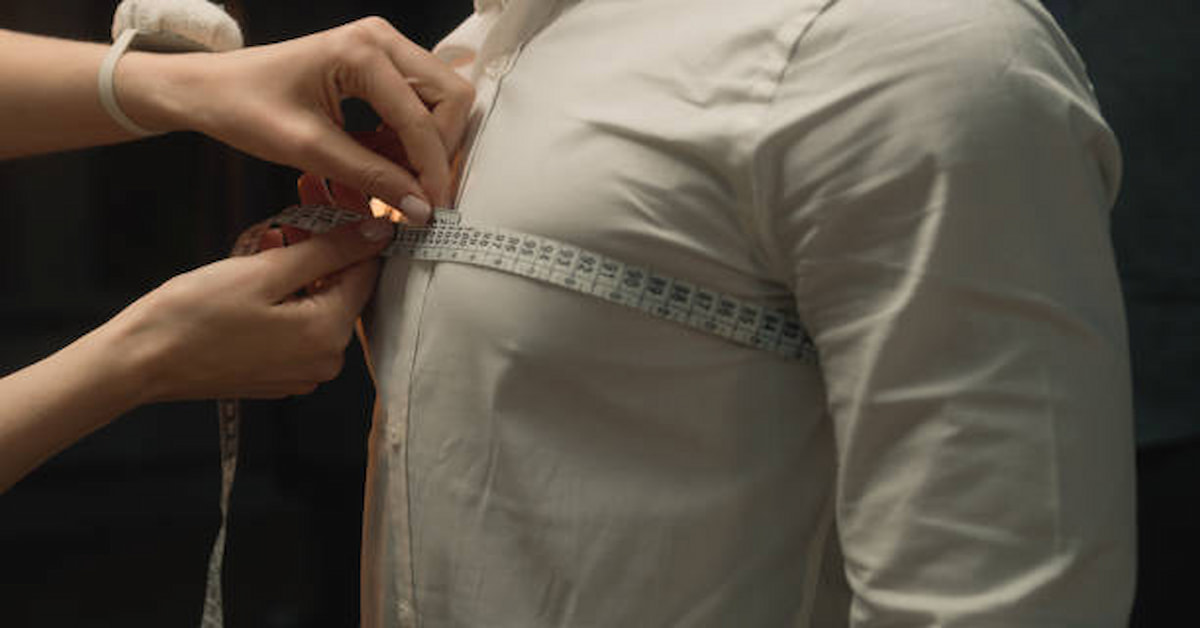
One of the most common questions about bespoke shirts is how many fittings are needed to achieve the right result. For a first order, the answer is usually one or two fitting appointments after the initial consultation and measurements, although complex fit requirements may require an additional visit.
The number alone does not determine quality. What matters is whether each fitting has a clear purpose, whether adjustments are transferred accurately to the individual pattern and whether the finished shirt is checked before the order is completed.
How Do Bespoke Shirt Fittings Work?
A bespoke shirt is created from an individual pattern drafted for the wearer. This differs from made-to-measure, where an existing base pattern is adjusted according to measurements and fit preferences.
Measurements provide the starting point, but they cannot fully show how fabric will sit on a moving body. A fitting allows the tailor to assess details such as:
-
Shoulder slope and unevenness
-
Neck position and posture
-
Chest-to-waist proportions
-
Sleeve pitch and arm position
-
Differences between the left and right arms
-
Front and back balance
-
Comfort when sitting and moving
The fitting process turns static measurements into a practical garment. It also allows the client to explain whether the shirt feels too close, too loose or restrictive in specific areas.
Does the Initial Measurement Appointment Count as a Fitting?
Terminology varies between tailors. Some count the initial consultation and measurement session as the first fitting, while others only count appointments where the client tries on a garment.
A complete bespoke shirt process may include:
-
Consultation and measurements
-
First try-on or fitting
-
Adjustment fitting or final check
-
Collection and inspection
This means two tailors may describe a similar process differently. One may advertise “two fittings,” while another describes the same sequence as an initial appointment followed by one fitting and a final check.
Before ordering, ask what each appointment includes rather than focusing only on the advertised number.
What Happens During the First Bespoke Shirt Fitting?
The first try-on is usually the most important fitting because it reveals how the new pattern behaves on the body.
Depending on the tailor’s process, the client may try on:
-
A trial shirt made from test fabric
-
A partially completed shirt
-
The first shirt from a larger order
-
A finished shirt that can still be adjusted
Unlike bespoke jackets, shirts are not always fitted as loosely basted shells. Many shirtmakers create a trial or first shirt, refine the pattern from that garment and only then complete the rest of the order.
During the first fitting, the tailor should assess several areas.
Collar Fit
The collar should sit comfortably around the neck when buttoned. It should not press against the throat, create a large gap or pull the shirt body upwards.
The tailor may also assess:
-
Collar height
-
Collar stand angle
-
Front button position
-
How the collar sits with or without a tie
-
Whether the collar remains visible beneath a jacket
Shoulder Position
The shoulder seams should reflect the intended style and sit evenly. Uneven shoulders may require separate adjustments on each side rather than forcing the shirt into perfect visual symmetry.
Chest, Waist and Seat
The body should provide enough room for breathing, sitting and reaching without creating unnecessary excess fabric.
The correct amount of ease depends on whether the client prefers a close, regular or relaxed fit.
Sleeve Pitch and Length
Sleeve pitch describes the angle at which the sleeves hang from the body. When the pitch does not match the wearer’s natural arm position, twisting or diagonal creases may appear.
Sleeve length should also be checked while the arms are resting and moving. The cuff should remain close to the wrist without pulling the sleeve excessively when the elbow bends.
Front and Back Balance
Posture affects how the shirt hangs. A forward neck, rounded upper back or prominent chest may cause the front or back to lift, pull or collapse.
The tailor may adjust the pattern length and shape to create a more balanced hem and cleaner body.
What Should You Do During a Shirt Fitting?
Standing still in front of a mirror is not enough. A shirt should be assessed through ordinary movements that reflect how it will be worn.
During the fitting:
-
Sit in a chair.
-
Reach forward as though typing.
-
Raise and lower your arms.
-
Bend your elbows.
-
Button the collar.
-
Turn your head naturally.
-
Tuck the shirt into trousers.
-
Put on the jacket you expect to wear with it.
These movements help reveal pulling around the back, shoulders, armholes and waist.
Wear the same type of undershirt or undergarment you normally use. A thick undershirt can change how the chest, armholes and sleeves feel.
It is also useful to bring your usual business trousers and jacket. This allows the tailor to check shirt length, cuff exposure and how the collar sits beneath the jacket.
How Many Fittings Are Normally Needed?
There is no universal number, but most bespoke shirt orders fall into three broad categories.
One Fitting for a Straightforward First Shirt
One fitting after the initial measurement appointment may be sufficient when:
-
The client’s posture and proportions require limited adjustment.
-
The shirt has a conventional collar and cuff.
-
The fabric behaves predictably.
-
The preferred fit is clearly communicated.
-
The tailor can make minor alterations before collection.
Some shirtmakers produce one trial shirt, refine it during a try-on and then use the corrected pattern for the remaining shirts.
This can be an efficient process, but the first completed shirt should still be inspected before an entire order is finished.
Two Fittings for Most New Bespoke Clients
Two fittings are a practical expectation when ordering from a new tailor.
The first fitting identifies pattern changes. The second confirms that those changes have improved the collar, shoulders, body and sleeves before the complete order is delivered.
Two fittings are particularly useful when:
-
The client is unfamiliar with bespoke fit.
-
Several shirts are being ordered.
-
The shirt will be worn with a tailored suit.
-
The client has a specific fit preference.
-
The first fitting requires more than minor changes.
For many clients visiting a Bangkok tailor for the first time, this provides enough opportunity to refine the pattern without making the process unnecessarily long.
Three Fittings for Complex Fit Requirements
A third fitting may be worthwhile when the client has:
-
Pronounced shoulder asymmetry
-
Significant posture differences
-
A prominent chest or stomach
-
A very close-fitting preference
-
Different arm positions or lengths
-
A sensitive or difficult collar fit
-
Major adjustments after the first try-on
An additional fitting is not necessarily a sign that something has gone wrong. It can show that the tailor is unwilling to complete the order until the pattern has been properly resolved.
However, the adjustments should become smaller as the process progresses.
Do Special Shirt Details Require More Fittings?
Decorative details do not always require another fitting, but certain choices make accurate planning more important.
Unusual Collar Designs
A very high collar, wide cutaway, long point or distinctive button-down may need to be assessed on the wearer rather than selected only from a sample.
The collar must suit the wearer’s neck length and face while sitting correctly under a jacket.
French or Convertible Cuffs
French cuffs require accurate sleeve length because they sit differently from barrel cuffs. The cuff circumference must also accommodate movement and any watch worn beneath the sleeve.
Bold Stripes and Checks
Pattern matching affects cutting and construction rather than the physical fit itself. It does not automatically require another appointment, but it leaves less room for major alterations after the fabric has been cut.
For this reason, a tailor may prefer to establish the pattern using a simpler fabric before cutting an expensive or strongly patterned cloth.
Very Fine or Fluid Fabric
Lightweight cotton, linen and soft blends can reveal different fit characteristics from stiff trial fabric. The final shirt may drape more softly or show tension differently.
When the chosen material is expensive or behaves unusually, approving a test shirt first can reduce risk.
What Factors Increase the Number of Fittings?
Working With a New Tailor
The first order usually requires the most attention because the tailor is establishing both the pattern and the client’s preferences.
Terms such as “slim,” “comfortable” and “relaxed” mean different things to different people. The fitting process helps translate those descriptions into measurable pattern adjustments.
Posture and Asymmetry
Most people have some degree of asymmetry. One shoulder may sit lower, one arm may hang differently or the body may rotate slightly.
Minor differences can often be addressed during a standard fitting. More pronounced variations may require an additional check after the pattern has been changed.
Fit Preference
A close fit provides less room for error than a relaxed fit. Small changes in posture, movement or body size become more visible when the shirt is cut close to the torso.
The tailor should balance a clean silhouette with enough ease to sit, breathe and reach comfortably.
Order Size
When ordering several shirts for the first time, it is safer to complete and approve one shirt before producing the rest.
This allows any changes to be applied to the pattern and prevents the same issue from appearing throughout the order.
Changes in Body Size
A stored pattern is useful only while it continues to represent the wearer. Weight change, strength training, ageing and changes in posture can all affect fit.
Measurements and posture should be checked before repeat orders when the client’s body has changed.
How Can You Tell Whether the Fittings Are Progressing Well?
A good fitting process should become more precise with each appointment.
Positive signs include:
-
Adjustments become smaller at each fitting.
-
The tailor explains what is being changed.
-
Previous requests are reflected in the next version.
-
The collar, shoulders and sleeves improve together.
-
You can move comfortably without excessive pulling.
-
Your preferences are recorded for future orders.
A third fitting should normally focus on refinement rather than completely changing the shirt.
Repeated major alterations may indicate that the pattern corrections have not been transferred accurately or that the intended fit was not clearly established at the beginning.
What Should the Final Shirt Fitting Check?
The final check should confirm more than whether the shirt can be buttoned.
Review the following:
Collar
-
Comfortable when fastened
-
No large gap around the neck
-
No pulling at the front button
-
Suitable height and spread
-
Sits correctly beneath a jacket
Shoulders and Body
-
Shoulder seams sit as intended
-
No excessive pulling across the chest or back
-
Enough room to sit comfortably
-
Side seams hang cleanly
-
Shirt remains tucked during normal movement
Sleeves and Cuffs
-
Sleeves reach the correct point at the wrist
-
Cuffs do not slide over the hand
-
Watch wrist has enough space
-
Sleeve pitch does not create severe twisting
-
Correct cuff exposure beneath a jacket
Details
-
Buttons and buttonholes are secure
-
Monogram spelling and position are correct
-
Collar and cuff styles match the order
-
Pattern alignment is acceptable
-
Hem length suits tucked or untucked wear
Minor wrinkles are normal. A shirt is fabric worn on a moving body, so the aim is not a completely crease-free appearance. The goal is comfort, balance and a clean silhouette without persistent strain.
Do Repeat Bespoke Shirts Need New Fittings?
Once a pattern has been established and approved, repeat orders often require fewer appointments.
A new fitting may not be necessary when:
-
The same fit is being reordered.
-
The client’s body has not changed.
-
The fabric has similar weight and behaviour.
-
The same collar and cuff construction is used.
-
The previous shirt remains comfortable.
A check may still be useful when switching from crisp poplin to linen, choosing a very different collar or requesting a closer or more relaxed fit.
Stored measurements alone are not the same as a refined pattern. A reliable Bangkok Suit Tailor should retain the pattern corrections and design preferences confirmed during previous fittings.
For a wider explanation of consultations, measurements and garment construction, read Jesse & Son’s guide to how the bespoke tailoring process works in Bangkok.
How Long Should the Fitting Process Take?
Turnaround varies according to the tailor, order size, workshop schedule and number of corrections required. There is no universal five-day or seven-day interval between fittings.
Bangkok tailors may work within shorter schedules for visiting clients, while traditional shirtmakers elsewhere may take several weeks.
The key question is not how quickly the next appointment can be arranged. It is whether the workshop has enough time to:
-
Transfer adjustments to the pattern
-
Recut or alter the trial shirt
-
Prepare the next fitting accurately
-
Inspect the garment before the appointment
Clients with limited time should disclose their departure date at the initial consultation. The tailor can then explain which process is realistic without promising fittings that cannot be completed properly.
The guide to ordering bespoke shirts in Bangkok offers further context on shirt fabrics, customisation and selecting an appropriate shirtmaker.
What Should You Ask Your Tailor Before Ordering?
Before confirming an order, ask:
-
How many appointments does your shirt process normally include?
-
Will I try a test shirt before the rest of the order is completed?
-
Do you count the measurement appointment as a fitting?
-
What happens if the first shirt needs substantial adjustment?
-
Will my corrected pattern be retained for repeat orders?
-
Are post-delivery alterations included?
Clear answers help prevent confusion, especially when different tailors use terms such as bespoke, custom-made and made-to-measure differently.
A reputable tailor should explain the process according to the garment and client rather than guarantee perfection from a fixed number of appointments.
Conclusion
At Jesse & Son, we find that most first-time bespoke shirt clients benefit from one or two fittings after their initial measurements, while more complex posture or proportion adjustments may require another visit. We use each fitting to refine the individual pattern, confirm comfort in motion and ensure the collar, sleeves and body work together. As an experienced Bangkok tailor, we focus on achieving the right result rather than limiting every client to a predetermined number of appointments.
FAQ
How many fittings does a bespoke shirt normally require?
Most first-time clients need one or two fittings after the initial consultation and measurements. Complex posture, asymmetry or close-fitting requirements may justify a third fitting.
Is one fitting enough for a bespoke shirt?
It can be enough for a straightforward shirt when the initial pattern is close and only minor adjustments are required. For a larger first order, approving one test shirt before completing the others is a sensible approach.
Does the measurement appointment count as a fitting?
It depends on the tailor. Some count the initial appointment, while others only count sessions where a trial or finished garment is worn. Ask what each appointment includes.
What should I wear to a bespoke shirt fitting?
Wear your normal undershirt and bring the trousers and jacket you intend to pair with the shirt. This helps the tailor assess shirt length, collar position and cuff exposure accurately.
Why might a third fitting be necessary?
A third fitting may be required when significant posture, shoulder, sleeve-pitch or body-balance adjustments were made after the first try-on. It should normally confirm refinements rather than introduce a completely new fit.
Do repeat shirt orders require another fitting?
Often they do not, provided the established pattern still fits, the client’s body has not changed and the new fabric and design are similar. A fitting may be useful when changing the silhouette, collar or fabric substantially.
 +66814437747
 @jesseandson