
Best Fabrics for Easy Movement in Women’s Bespoke Wear: Flexibility Meets Tailoring
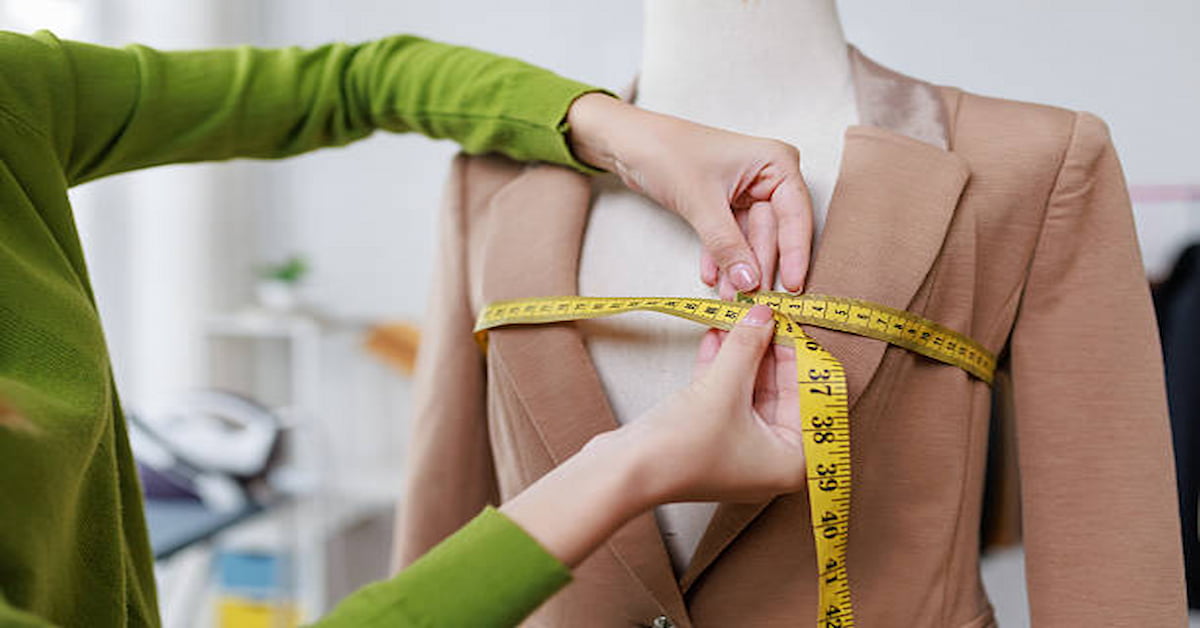
Women’s bespoke clothing should do more than create a flattering silhouette. It should remain comfortable while the wearer sits, walks, reaches, travels and moves through a full working day.
Fabric plays an important role in that comfort, but stretch alone is not the answer. The best material must also provide suitable drape, recovery, breathability and structure. In Bangkok’s heat and humidity, these qualities become even more important.
This guide explains how to choose fabrics for women’s bespoke jackets, dresses, skirts and trousers when freedom of movement matters as much as appearance.
Why Does Movement Matter in Women’s Bespoke Clothing?
A garment can look perfectly balanced when the wearer is standing still but become restrictive when she sits, reaches forward or raises her arms.
Good bespoke tailoring should account for movement through both the pattern and the fabric. Important considerations include:
-
Shoulder and arm movement in jackets
-
Comfort across the waist and hips when sitting
-
Ease through the thighs when walking
-
Recovery after the fabric stretches
-
Breathability during long periods of wear
-
The ability to retain a clean silhouette throughout the day
Stretch fabric can improve comfort, but it cannot correct a poorly drafted pattern. A successful garment combines suitable cloth with enough ease, accurate balance and fittings that assess how the client actually moves.
What Makes a Fabric Suitable for Easy Movement?
Four fabric properties are especially important.
Stretch
Stretch describes how far a fabric can extend. It may come from elastane, the natural flexibility of a knit construction or mechanical stretch created through the weave.
Recovery
Recovery is the fabric’s ability to return to its original shape. A material may stretch comfortably but still perform poorly if the knees, elbows or seat remain baggy afterwards.
Drape
Drape affects how the fabric falls around the body. Fluid materials follow curves and work well for dresses and wide-leg trousers, while firmer fabrics provide more definition for structured jackets.
Breathability
In Bangkok, movement should not come at the expense of comfort in heat. Heavy synthetic stretch fabrics may feel flexible but retain more warmth than lightweight wool, linen or breathable blends.
The correct balance depends on the garment. A jacket needs more structure than a dress, while fitted trousers require stronger recovery than a loose skirt.
Are Natural or Stretch Fabrics Better for Bespoke Clothing?
Neither category is automatically better. Natural fibres and engineered blends serve different purposes.
Pure Cotton
Cotton is breathable, familiar and suitable for dresses, skirts and casual trousers. However, woven cotton has limited natural stretch and may feel restrictive when cut too closely.
Lightweight cotton with a small amount of elastane can improve comfort while retaining a crisp appearance.
Linen
Linen offers airflow and a naturally relaxed drape, making it well suited to Bangkok. It has little inherent stretch and creases easily, but those qualities are less problematic in relaxed jackets, dresses and wide-leg trousers.
Wool
Wool fibres have natural resilience, allowing many wool fabrics to recover well even without elastane. Lightweight worsted or tropical wool can therefore provide movement, structure and breathability for professional tailoring.
The weave, weight and garment cut are more important than assuming that pure wool will feel rigid.
Silk
Silk provides fluid drape and a refined appearance, but its performance varies considerably by weave and weight. It can work well for blouses, dresses and occasion garments, although delicate silk is not usually the most practical choice for high-friction areas or daily trousers.
Stretch Blends
A small amount of elastane can increase flexibility and recovery. However, there is no universal percentage that suits every fabric.
Even 1–3% elastane may provide noticeable comfort in woven suiting or cotton. Higher percentages do not automatically make a material better for bespoke tailoring and may create a softer, more casual appearance.
The fabric should be judged by how it stretches, recovers and presses rather than by fibre percentages alone.
Which Fabrics Work Best for Women’s Bespoke Jackets?
Lightweight Tropical Wool for Professional Structure
Tropical wool is woven to feel lighter and more breathable than heavier wool suiting. Its natural resilience allows it to move with the body while recovering after sitting or walking.
Why it works:
-
Maintains a professional silhouette
-
Resists deep creasing better than linen
-
Offers natural resilience without requiring substantial elastane
-
Works well in lightweight or partially lined jackets
-
Is suitable for formal business environments
Best for: Business suits, client meetings and year-round professional wardrobes
A lightweight wool with a small amount of elastane can provide additional flexibility, but pure wool should not be dismissed when it has the right weave and weight.
Stretch Wool Blends for Fitted Jackets
Stretch wool blends combine the appearance of traditional suiting with additional give. They are particularly useful for close-fitting jackets, longer working days and clients who frequently travel.
Why they work:
-
Allow easier movement through the shoulders and upper back
-
Recover more effectively than many basic cotton fabrics
-
Preserve the visual authority of tailored wool
-
Reduce pulling when sitting or reaching
Best for: Fitted business jackets, travel suits and long office days
The stretch should support the pattern rather than replace adequate ease. A jacket still needs sufficient room across the back and armholes.
Ponte for Soft Tailoring
Ponte, often called Ponte di Roma, is a stable double-knit fabric. It is firmer than lightweight jersey and can create clean silhouettes while allowing comfortable movement.
Not every ponte fabric has four-way stretch, and its quality varies according to fibre content, density and recovery.
Why it works:
-
Offers more flexibility than most woven suiting
-
Resists creasing during sitting and travel
-
Has enough body for soft jackets and fitted dresses
-
Usually provides good opacity
-
Requires less rigid internal construction
Trade-offs:
-
Can feel warm when heavy or polyester-rich
-
Does not create the same crisp structure as woven wool
-
Lower-quality versions may pill or lose recovery
Best for: Soft blazers, office dresses and comfortable travel tailoring
For Bangkok, choose a lighter ponte with strong recovery rather than a thick, highly synthetic version.
Which Fabrics Work Best for Bespoke Dresses and Skirts?
Stretch Crepe for Fluid, Polished Silhouettes
Crepe refers to a group of fabrics with a subtly textured surface. It may be woven or knitted and can be made from wool, silk, viscose, polyester or blends.
Stretch crepe works particularly well for fitted dresses and skirts because it combines drape with enough flexibility for sitting and walking.
Why it works:
-
Falls smoothly without looking overly clingy
-
Textured surfaces can make creasing less noticeable
-
Stretch versions move comfortably around the waist and hips
-
Works across business and occasion wear
-
Can create both fitted and flowing silhouettes
Best for: Sheath dresses, pencil skirts, wrap dresses and evening pieces
Check the composition carefully. Lightweight wool or viscose-rich crepes may feel more breathable than heavy polyester crepe.
Stable Jersey for Comfort and Drape
Jersey is a knit rather than a single fibre type. Its looped construction provides natural flexibility, even when no elastane is present.
A stable medium-weight jersey can be used for dresses, skirts and relaxed jackets when comfort is the main priority.
Why it works:
-
Moves easily with the body
-
Drapes well around curves
-
Feels comfortable during travel and long periods of sitting
-
Requires fewer rigid construction elements
-
Can recover well when the knit is high quality
Trade-offs:
-
Thin versions may cling or become transparent
-
Heavy jersey can retain heat
-
Requires a tailor experienced in cutting and stabilising knit fabrics
-
May appear less formal than woven tailoring
Best for: Travel dresses, wrap styles, creative workplaces and smart-casual wardrobes
Cotton-Elastane for Structured Everyday Dresses
Cotton with a small amount of elastane works well for dresses and skirts that need a crisp appearance with greater comfort than pure woven cotton.
Why it works:
-
Retains a clean, structured finish
-
Provides flexibility at the waist and hips
-
Is practical for regular wear
-
Works well for sheath dresses and A-line skirts
-
Is available in many weights and finishes
Best for: Everyday office dresses, fitted skirts and smart-casual separates
Which Fabrics Work Best for Bespoke Trousers?
Stretch Tropical Wool for Business Trousers
Lightweight stretch wool is one of the most versatile options for women’s tailored trousers. It offers enough structure for a clean crease while allowing comfort through the waist, hips and thighs.
Why it works:
-
Maintains shape after prolonged sitting
-
Drapes well in straight and wide-leg cuts
-
Provides a professional appearance
-
Recovers better than many linen or cotton fabrics
-
Works as part of a matching suit
Best for: Formal trousers, business suits and frequent travel
Wool-Linen Blends for Breathable Structure
Wool-linen blends combine wool’s resilience with linen’s dry texture and airflow. They work particularly well for relaxed trousers and unstructured suits.
Why they work:
-
Feel lighter and less rigid than dense wool
-
Offer more body than pure linen
-
Create attractive movement in wide-leg styles
-
Suit Bangkok’s warm climate
-
Develop a softly textured appearance
Trade-offs:
-
Crease more than pure worsted wool
-
May feel less formal than smooth suiting
-
Stretch depends on the construction and any added elastane
Best for: Wide-leg trousers, relaxed suits and business-casual wardrobes
Cotton Stretch for Everyday Separates
Cotton stretch fabrics are practical for cigarette trousers, cropped styles and casual tailoring.
They provide a cleaner appearance than jersey while allowing more movement than rigid cotton twill.
Best for: Everyday office trousers, separates and smart-casual wardrobes
Avoid fabric that stretches easily but does not recover. Test a swatch by pulling it gently and checking whether it returns smoothly without rippling.
How Do Linings Affect Freedom of Movement?
The outer fabric is only one part of the garment. A lining that is stiff, heavy or too tight can restrict movement even when the main fabric is flexible.
Cupro Lining
Cupro is a regenerated cellulose fibre commonly used for smooth garment linings. It provides a slippery surface that helps jackets and dresses move over clothing underneath.
Why it works:
-
Reduces friction around sleeves and shoulders
-
Feels smoother than many basic acetate linings
-
Supports easier dressing and movement
-
Works well in professional jackets
The comfort of a lining still depends on its weight and the overall jacket construction.
Lightweight Viscose Lining
Viscose linings can provide a soft handle and good drape. Quality varies, so the fabric should be assessed for durability, smoothness and heat retention.
Lightweight Cotton
Cotton voile or lawn can be useful for dresses and casual jackets in warm weather. It is breathable and comfortable but less slippery than conventional lining, so it may catch slightly against shirts or other layers.
Partial or Unlined Construction
Removing some lining can reduce weight and heat retention. Jackets may be half-lined, quarter-lined or left unlined depending on the outer fabric and desired structure.
Unlined construction requires clean internal finishing and may not suit transparent or loosely woven materials.
For a broader comparison of materials suited to Thailand’s climate, see the guide to the best fabrics for Bangkok’s humid weather.
Does Fabric Weight Affect Movement?
Fabric weight influences both structure and comfort, but rigid weight categories can be misleading. A heavy knit may stretch easily, while a lighter woven fabric may feel restrictive if it is dense and has no give.
As a general guide:
| Fabric Character | Movement and Structure |
|---|---|
| Lightweight and fluid | Moves easily but may offer limited shape or opacity |
| Medium-weight with recovery | Balances movement, drape and tailored structure |
| Heavy or dense | Holds shape strongly but may feel warm or restrictive |
| Stable stretch knit | Provides flexibility with softer structure |
| Open-weave wool or linen blend | Offers airflow with moderate tailoring structure |
For Bangkok, the most useful cloth is often lightweight to medium-weight with good recovery. The ideal choice still depends on whether the garment is a jacket, dress, skirt or pair of trousers.
How Should Fabric Be Tested Before Ordering?
A small swatch can reveal more than a fabric label. Before choosing cloth, test the following:
-
Stretch it gently in both directions.
Some fabrics stretch across the width but not along the length. -
Check its recovery.
Release the material and see whether it returns smoothly or remains distorted. -
Scrunch it in your hand.
This gives an indication of how readily it creases. -
Hold it against the light.
Confirm whether it will need lining for opacity. -
Drape it over your arm.
Observe whether it falls fluidly or holds a more structured shape. -
Consider its surface.
Rough or heavily textured fabric may be uncomfortable in fitted areas.
Fabric selection should also be discussed alongside the intended silhouette and movement needs. The article on power dressing for women in Bangkok explains how proportion, comfort and climate-aware tailoring work together in professional wardrobes.
Why Are Fittings as Important as Stretch Fabric?
Flexible fabric does not remove the need for careful fittings. Bespoke garments should be assessed while the client performs ordinary movements, not only while standing upright.
During a fitting, check whether you can:
-
Sit without pressure at the waist or hips
-
Raise and extend your arms comfortably
-
Walk without the skirt or trousers pulling
-
Button the jacket without strain
-
Reach forward without the jacket lifting excessively
-
Climb a step without restriction through the thighs
Some movement lines are normal, particularly in fitted garments. The goal is not to remove every wrinkle but to prevent persistent pulling, strain and imbalance.
The bespoke tailoring process in Bangkok provides opportunities to refine the pattern after seeing how the garment behaves on the body.
Which Fabric Is Best for Each Lifestyle?
| Lifestyle Need | Recommended Fabric | Why It Works |
|---|---|---|
| Formal office wear | Lightweight tropical wool | Structure, resilience and professional drape |
| Fitted business suit | Stretch wool blend | Tailored appearance with added flexibility |
| All-day office dress | Stretch crepe | Smooth drape and comfortable movement |
| Travel wardrobe | Stable jersey or ponte | Wrinkle resistance and easy movement |
| Warm-weather separates | Cotton stretch | Breathable, practical and structured |
| Wide-leg trousers | Wool-linen blend | Airflow with fluid drape |
| Relaxed jacket | Lightweight ponte | Soft structure and flexibility |
| Formal occasion | Silk crepe or wool crepe | Refined drape and polished appearance |
Conclusion
At Jesse & Son, we believe women’s bespoke clothing should be assessed in motion, not only in front of a mirror. The right fabric depends on the garment, with tropical wool and stretch wool supporting professional jackets and trousers, while crepe, stable jersey, cotton stretch and ponte suit softer silhouettes. As an experienced Bangkok tailor, we combine fabric selection with individual pattern cutting and movement-focused fittings so each garment feels comfortable, balanced and appropriate for Bangkok’s climate.
FAQ
What is the best fabric for a women’s bespoke business suit?
Lightweight tropical wool is one of the most versatile choices because it provides professional structure, natural resilience and better breathability than many heavy synthetic stretch fabrics. A stretch wool blend can add further flexibility.
How much elastane should bespoke fabric contain?
There is no universal ideal percentage. Even a small amount can change the fabric’s performance. Recovery, drape, weight and overall composition are more important than choosing fabric based only on its elastane percentage.
Is ponte suitable for bespoke jackets?
Yes, particularly for soft, lightly structured jackets. It offers flexibility and wrinkle resistance but does not create the same crisp appearance as woven wool suiting.
Is linen suitable for fitted women’s clothing?
Linen works best in relaxed or moderately fitted garments because it has little natural stretch and creases easily. A linen blend can provide more structure or flexibility.
Is stretch fabric necessary for comfortable tailoring?
No. A well-drafted pattern with appropriate ease can be comfortable in non-stretch fabric. Stretch is helpful for certain fitted garments, but it should support good tailoring rather than replace it.
What lining is best for movement?
A smooth cupro or lightweight viscose lining can reduce friction in jackets and dresses. Cotton lining may feel breathable but is less slippery. Partial lining can also reduce weight when the outer fabric allows it.
 +66814437747
 @jesseandson