
Breathable Custom Shirts for Bangkok’s Hot Climate: A Guide to Performance Fabrics
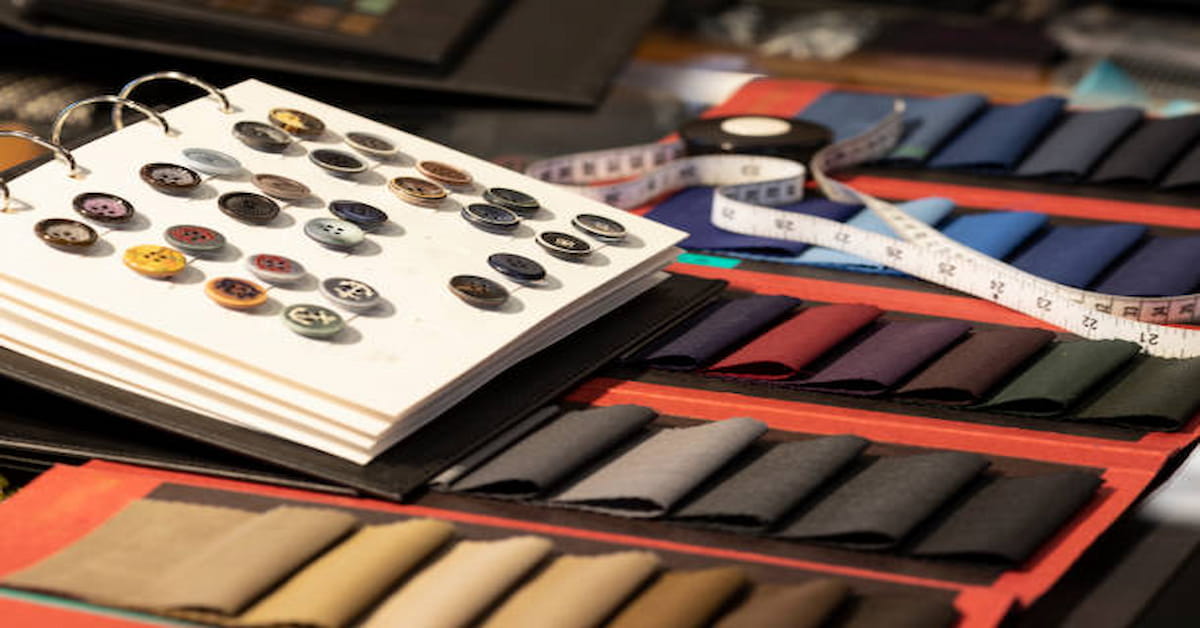
Bangkok’s heat creates a challenge that conventional dress shirts are not always designed to handle. A shirt may fit perfectly but still feel heavy, damp or uncomfortable after several hours in the city’s humidity.
The solution is not simply choosing a thinner shirt. Fibre, weave, fabric weight and construction all influence how well a custom shirt handles heat and moisture. This guide explains which fabrics work best in Bangkok and how to choose a shirt that remains comfortable without looking too casual for work or formal occasions.
Why Is Bangkok’s Climate Challenging for Dress Shirts?
Bangkok is warm and humid for most of the year. In high humidity, sweat evaporates more slowly, making it harder for the body to release heat.
A conventional cotton shirt can absorb perspiration but may hold moisture against the skin. As the day continues, the fabric can feel heavier and begin to cling.
A shirt designed for Bangkok should provide a balance of:
-
Airflow
-
Low fabric weight
-
Moisture control
-
Comfort against the skin
-
Appropriate formality
The right choice depends on where the shirt will be worn. A formal shirt for air-conditioned meetings requires a different balance from a casual shirt worn outdoors.
Why Does Fabric Choice Matter More Than Fit?
A good fit improves comfort, but it cannot compensate for a heavy or tightly woven fabric.
When choosing material for a custom shirt, consider four factors:
-
Fibre: Cotton, linen and lyocell each manage heat and moisture differently.
-
Weave: Poplin, Oxford, twill and seersucker describe how the yarns are arranged.
-
Weight: Lighter fabrics generally feel cooler, although they may be more transparent or delicate.
-
Finish: Wrinkle-resistant and easy-care treatments can affect softness and breathability.
These elements should be judged together. A natural fibre is not automatically cool if it is woven into dense fabric. Similarly, a high yarn count does not guarantee better airflow.
A knowledgeable Bangkok tailor should recommend fabric based on the wearer’s schedule, dress code and working environment rather than relying only on fibre names.
Which Fabrics Are Best for Bangkok’s Climate?
1. Lightweight Cotton Poplin for Formal Shirts
Poplin is one of the most practical fabrics for formal shirts in hot weather. Its smooth surface and simple weave create a clean appearance without the bulk of heavier cotton constructions.
Egyptian cotton is often used for premium poplin because its long fibres can be spun into smooth, fine yarns. However, the finished weave and weight matter more than the cotton name alone.
Why it works in Bangkok:
-
Feels smooth against the skin
-
Maintains a crisp, professional appearance
-
Works with formal collars and French cuffs
-
Is available in many colours and patterns
-
Can be woven in lightweight constructions
Best for: Board meetings, client presentations and formal occasions
Choose a lightweight poplin that remains sufficiently opaque. Very fine white fabrics may require an undershirt.
2. Linen for Maximum Airflow
Linen is made from flax fibres and remains one of the best materials for hot-weather clothing. Its natural texture allows air to move through the fabric, while its ability to release moisture helps it dry relatively quickly.
Why it works in Bangkok:
-
Provides excellent airflow
-
Feels cool in warm conditions
-
Does not cling closely to damp skin
-
Becomes softer with regular washing
-
Works well for relaxed custom shirts
Trade-offs:
-
Creases easily
-
Looks less formal than smooth cotton
-
May require pressing for business wear
Best for: Casual Fridays, weekends, resort settings and smart-casual events
Modern linen is available in more than white and beige. Light blue, olive, brown, soft grey and subtle stripes can make linen easier to incorporate into a professional wardrobe.
3. Cotton-Linen Blends for Everyday Versatility
Cotton-linen blends combine some of linen’s airflow with the smoother handle and structure of cotton.
A linen-rich blend tends to feel cooler and more textured, while a cotton-rich blend usually looks neater and creases less.
Why it works in Bangkok:
-
Breathes better than many standard cotton fabrics
-
Creases less than pure linen
-
Provides enough structure for office wear
-
Works across business and casual dress codes
-
Comes in varied colours and patterns
Best for: Business-casual offices, daytime events and everyday wear
For many professionals, cotton-linen is the most versatile option because it remains comfortable without looking overly relaxed.
4. Seersucker for Airflow Without Cling
Seersucker is recognised by its lightly puckered surface. The texture keeps sections of the cloth away from the body, reducing direct skin contact and allowing more air to circulate.
Traditional seersucker often features bold stripes, but modern shirting options include subtle patterns and solid colours.
Why it works in Bangkok:
-
Improves airflow around the body
-
Reduces fabric contact with the skin
-
Disguises minor creasing
-
Does not need to look perfectly pressed
-
Feels comfortable during travel and outdoor wear
Trade-offs:
-
Less formal than smooth poplin
-
Strongly puckered fabric can look casual
-
Traditional striped versions may not suit every wardrobe
Best for: Business-casual offices, travel, weekends and outdoor events
For a more refined look, choose fine cotton seersucker with a subtle texture rather than a heavily puckered construction.
5. TENCEL™ Lyocell for Moisture Control
TENCEL™ is a branded form of lyocell made from wood-based raw material. Lyocell fabrics are known for their smooth feel, soft drape and effective moisture absorption.
Why it works in Bangkok:
-
Absorbs moisture efficiently
-
Feels soft and cool against the skin
-
Drapes comfortably without excessive stiffness
-
Works well in cotton or linen blends
-
Is suitable for long periods of wear
Best for: All-day wear, travel and smart-casual wardrobes
Pure lyocell can feel softer and less structured than traditional cotton. A lyocell-cotton blend may provide a better balance for business shirts.
6. Sea Island Cotton for Softness and Luxury
Authentic Sea Island cotton is valued for its fine fibres, smooth texture and natural lustre. Its main advantage is softness rather than superior cooling.
A Sea Island cotton shirt can perform well in Bangkok when the finished fabric is lightweight and breathable, but it is not automatically cooler than good cotton poplin.
Why it can work in Bangkok:
-
Feels exceptionally smooth
-
Creates a refined formal appearance
-
Can be woven into fine shirting
-
Reduces friction against the skin
Limitations:
-
More expensive than standard cotton
-
Fine fabric may require careful laundering
-
Quality varies between suppliers
Best for: Premium formal shirts, weddings and special occasions
Choose Sea Island cotton for its feel and appearance, not because the name alone guarantees hot-weather performance.
Which Shirt Fabrics Should You Avoid in Bangkok?
Heavy Broadcloth and Dense Twill
Broadcloth and twill are not always unsuitable, but heavier versions can restrict airflow and retain warmth.
Twill is durable, soft and resistant to creasing, but its diagonal weave is often denser than poplin. It may work well in air-conditioned offices but feel less comfortable outdoors.
Heavy Oxford Cloth
Oxford cloth has a more substantial, textured construction. Lightweight Oxford can work for casual shirts, but traditional Oxford fabric may feel too warm for long periods outside.
It is better suited to air-conditioned settings, evening wear or cooler travel destinations.
Low-Quality Polyester Blends
Not all polyester performs badly in heat. Technical sports fabrics can be designed to wick moisture and dry quickly.
However, inexpensive polyester-rich dress shirts may feel clammy, retain odour or lack the natural appearance expected from a custom shirt.
Check the full fabric composition rather than relying only on labels such as “easy care” or “wrinkle resistant.”
Heavy Silk
Silk can feel luxurious, but it is not always practical for daily use in high humidity. Perspiration may mark the surface, affect the fabric’s appearance and increase the need for specialist cleaning.
Silk blends may work for occasional evening shirts, but they are rarely the best choice for everyday business wear in Bangkok.
How Should You Judge Fabric Weight and Yarn Count?
Fabric weight is useful, but it should not be considered in isolation. A lightweight fabric can still feel warm if it is tightly woven, while a slightly heavier linen may remain comfortable because air moves easily through it.
When comparing swatches, consider:
-
How much light passes through the fabric
-
Whether the weave feels open or dense
-
How quickly the fabric returns to shape after being handled
-
Whether it feels soft, dry or slightly plastic against the skin
-
Whether it is suitable for frequent washing
Numbers such as 100s, 120s or 140s usually describe yarn fineness rather than the total number of threads in the cloth.
A higher yarn number means a finer yarn, but finer does not always mean cooler or more durable. Extremely fine fabrics can feel luxurious while also being more delicate.
Hold the swatch against natural light and compare several fabrics before making a decision.
Which Shirt Construction Details Improve Comfort?
Fabric is the main factor, but several construction choices can make a custom shirt more comfortable in Bangkok.
Choose a Soft or Lightly Structured Collar
A heavily fused collar can feel stiff and warm around the neck. A soft or lightly fused collar provides a better balance between comfort and shape.
Unfused collars work particularly well with linen, cotton-linen and seersucker shirts, although they create a more relaxed appearance.
Avoid an Overly Tight Neck Measurement
The collar should sit comfortably when buttoned without creating a large gap. Enough room should be allowed for movement, particularly when the shirt will be worn with a tie.
Allow Comfortable Ease Through the Body
A breathable fabric will not perform well if the shirt pulls tightly across the chest, back or underarms.
The shirt should follow the body without clinging. A small amount of ease supports movement and helps air circulate while preserving a clean silhouette.
Match the Construction to the Occasion
A formal poplin shirt may need a structured collar and traditional cuff. A linen or seersucker shirt can use a softer collar, lighter interlining and more relaxed styling.
The right construction should reflect both comfort and dress code.
Which Shirt Works Best for Each Bangkok Occasion?
| Occasion | Recommended Fabric | Why It Works |
|---|---|---|
| Board meeting | Lightweight cotton poplin | Formal, crisp and breathable |
| Client presentation | Egyptian cotton poplin | Smooth and professional |
| Premium occasion | Fine Sea Island cotton | Soft and refined |
| Business-casual office | Cotton-linen blend | Smart but comfortable |
| Outdoor event | Fine cotton seersucker | Airy and resistant to visible creasing |
| Weekend or evening | Pure linen | Maximum airflow |
| All-day wear | Lyocell or lyocell blend | Soft with effective moisture control |
| Travel | Cotton-linen or seersucker | Breathable and easy to wear |
Colour also affects comfort and practicality. White, pale blue, soft grey and other light shades are often better suited to strong sunlight than very dark colours.
Fine stripes, small patterns and subtle textures can also make light perspiration less noticeable.
A practical wardrobe does not need every shirt to use the same fabric. Formal poplin shirts can be combined with linen, cotton-linen and seersucker options for different occasions.
For a broader comparison of tropical materials, read Jesse & Son’s guide to the best fabrics for Bangkok’s humid climate.
What Should You Ask Before Ordering a Breathable Custom Shirt?
Before selecting a fabric, ask your tailor:
-
What is the complete fabric composition?
Confirm whether it is pure cotton, linen, lyocell or a blend. -
What weave is used?
Poplin, Oxford, twill and seersucker can perform very differently even when made from the same fibre. -
Will the fabric be transparent?
Very lightweight white cloth may require an undershirt or a slightly denser weave. -
How should the shirt be washed?
Fine cotton, linen and lyocell blends may have different care requirements. -
Is the fabric appropriate for my dress code?
A shirt for formal meetings may require more structure than one designed for travel or weekends.
The fabric consultation should also consider how often the shirt will be worn, whether it will be paired with a jacket and how much time the wearer spends outdoors.
Jesse & Son’s guide to how bespoke tailoring works in Bangkok explains what to expect during fabric selection, measurement and fittings.
Conclusion
At Jesse & Son, we believe a well-made shirt should suit both the wearer and the environment in which it will be worn. For most Bangkok professionals, we recommend lightweight cotton poplin for formal days, cotton-linen blends for everyday business wear, and linen or fine seersucker for more relaxed occasions. As an experienced Bangkok Suit Tailor, we help each client compare fibre, weave, weight and construction so the finished shirt remains comfortable, polished and practical in Thailand’s climate.
FAQ
What is the most breathable fabric for a shirt in Bangkok?
Pure linen generally provides the greatest airflow. Fine seersucker is also effective because its puckered texture reduces contact with the skin. Lightweight poplin is usually a better choice when formal appearance is the priority.
Is cotton or linen better for Bangkok’s humidity?
Linen normally offers better airflow and dries relatively quickly, while cotton provides a smoother and more formal appearance. A cotton-linen blend offers a practical balance for everyday office wear.
Is seersucker suitable for business shirts?
Yes, when the texture and pattern are subtle. Fine cotton seersucker can work well in business-casual environments, although it is less formal than smooth poplin.
Is Egyptian cotton suitable for hot weather?
Yes, provided it is woven into a lightweight construction. The Egyptian cotton name alone does not guarantee breathability, so the weave and weight should also be checked.
Is Sea Island cotton cooler than regular cotton?
Not necessarily. Sea Island cotton is valued mainly for softness and fineness. Its comfort in hot weather depends on the construction of the finished fabric.
How should a custom shirt fit in hot weather?
It should follow the body without pulling or clinging. Enough ease should be included across the chest, back and armholes to allow movement and support airflow.
 +66814437747
 @jesseandson