
Colorfast Fabrics for Bangkok Sun: A BKK Tailor’s Guide
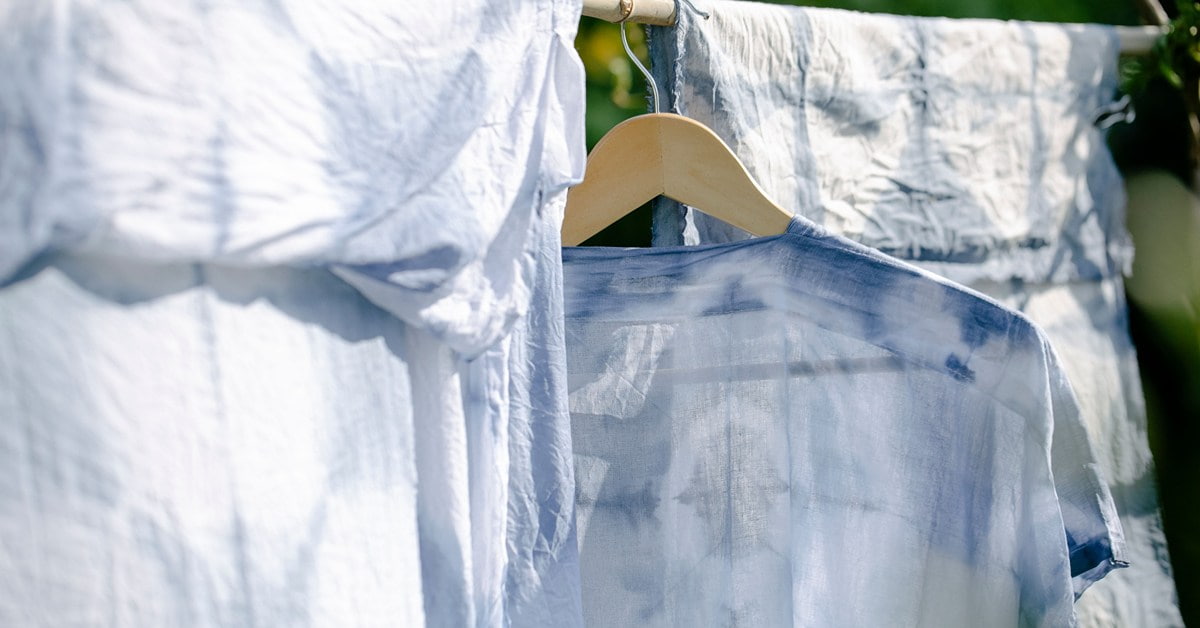
It may be the perfect shirt in the store, but it can fade with constant exposure to the sun. While purchasing fabrics in Bangkok, you have to consider not just comfort, but also the ability of the fabric to endure sunlight, sweating and repeated washes.
If you would like to compare various fabrics for your BKK tailor, inquire about lightfastness, which means the resistance of the fabric to fading from light exposure. This guide will show you how to interpret ratings, compare natural and synthetic fabrics, evaluate dyes and finishes, and protect colour through everyday care.
Why Does Bangkok Sun Fade Fabric?
Sunlight can alter the chemical structure of the dyes and pigments used, causing colours to lighten, dull or shift. This is known as photodegradation, which depends on the kind of colourant, fibres, finish and amount of exposure.
Clothes worn outdoors will experience the gradual effect of exposure to light. Curtains, car upholstery and balcony cushions can experience prolonged exposure to light on the same surface, making uneven fading particularly noticeable.
It is not easy to give a general schedule of fading for all fabrics. Even two cotton shirts can fade differently because the dyes, shades and finishing processes are not the same.
Light, Heat and Moisture Affect Performance Together
Ultraviolet rays cause fabrics to deteriorate, and visible light can similarly lead to colour fading for some dyes used in fabrics. Temperature and moisture may also contribute to deterioration, depending on the material and dye used.
Three situations of fabric exposure can be noted:
-
Direct exposure to sunlight: repeated exposure may lead to alterations in colour and eventual breakdown of susceptible fibres.
-
Indirect exposure to daylight: lower-intensity exposure can still cause cumulative discoloration over time.
-
Exposure of fabrics through windows: the glass will alter the composition of light hitting the cloth, but does not prevent fabric discoloration.
Humidity also leads to proper care being needed in regard to drying and storage of fabrics, since fabrics stored damp in a closed area without good ventilation will develop mildew or staining — problems separate from light-induced colour loss.
The effectiveness and durability of protective finishes or treatments such as UV inhibitors should be supported by product information. A general "UV-resistant" label does not explain how well a specific colour will last.
What Does “Colourfast” Actually Mean?
Colourfastness describes resistance to colour change or transfer under particular conditions. It is a group of properties rather than one universal guarantee.
| Property | What it tells you |
|---|---|
| Lightfastness | Resistance to colour change caused by light |
| Washfastness | Resistance to colour change and staining during laundering |
| Crockfastness | Resistance to colour transfer through dry or wet rubbing |
| Perspiration fastness | Resistance to colour change or staining caused by perspiration |
The fabric can exhibit high performance during washing, yet fade under sustained sunlight. Another may be able to maintain its shade under outdoor conditions but transfer colour when rubbed while wet.
For Bangkok apparel, consider lightfastness along with washing and perspiration performance. Outdoor furniture requires evidence suitable for sustained exposure and weathering conditions.
How Should You Read Lightfastness Ratings?

It is important to obtain information about the testing methods, scale of grading, and light exposure conditions at the same time. A number provided alone could prove to be deceptive.
The ISO Blue Wool standard system generally uses grades ranging from 1 to 8, where the higher the grade, the more resistant the sample is to light. The grey scale, which is used to measure the extent of colour change, typically uses grades from 1 to 5, with higher grades indicating less change after the specified exposure. These systems are not interchangeable.
ISO 105-B02 specifies a xenon-arc method for evaluating colourfastness to artificial light representative of daylight. AATCC’s standards distinguish outdoor, carbon-arc and xenon-arc lightfastness methods.
In making a comparison:
-
Be sure that the result is relevant to that particular fabric and shade.
-
Make sure that comparisons are made on the same basis as far as methods and exposure are concerned.
-
Find out whether the test reflects indoor light, outdoor light or outdoor weathering.
-
Never convert lab tests directly to months or years of use in Bangkok. Select the required level of performance depending on how the fabric will be used, and don't assume that a certain grade has to be applied to all Bangkok clothing.
ISO 105-B02 permits different blue wool reference sets, so confirm which set was used before comparing results.
There may also be reporting of Delta E – a figure expressing the extent of colour difference. A lower value means less measured change, provided calculations and test conditions are comparable. It does not independently predict garment lifespan.
Which Fabrics Hold Colour Best in Tropical Sun?
The best choice is made based on the finished textile rather than only the fiber type. Dye chemistry, shade, construction and finishing all affect performance.
For prolonged outdoor exposure, purpose-made solution-dyed fabrics are worth considering. As to shirts, trousers and suits, comfort, drape and care requirements need to be taken into account as well.
A fabric suitable for the awning can withstand fading exceptionally well but will be impractical for tailoring. Equally, a breathable linen shirt can be practical for Bangkok, yet was never designed for permanent outdoor exposure.
| Fabric | Suitable uses | Colour-retention considerations |
|---|---|---|
| Cotton and linen | Shirts, trousers and relaxed tailoring | The lightfastness depends on the dye, shade and finish. In comparing swatches at the tailor's, one should request available performance information together with weight, airflow and care instructions. |
| Solution-dyed acrylic | Outdoor cushions, awnings and covers | The colorant is added prior to fibre formation. Purpose-made outdoor fabrics can provide strong fading resistance; however, check the manufacturer's results and intended application. |
| Solution-dyed polyester | Outdoor covers and furnishings | Can provide good colour retention when designed for outdoor exposure. Performance varies by product, colourant and finish. |
| Cotton-polyester blends | Shirts, uniforms and everyday garments | May enhance strength, crease resistance, and ease of care. No universal synthetic percentage guarantees better lightfastness; consider the airflow and comfort of the completed textile as well. |
Solution dyeing involves adding the colourant to a manufactured fibre before it is formed, rather than colouring the finished yarn or fabric. According to Sunbrella, the company explains that its acrylic fabrics contain colour and UV-stabilised pigments throughout the fibres
In this case, neither dark nor light colours are inherently more resistant to light. Undyed fabrics may change their hue, and natural dyes do not guarantee protection from sunlight. Although gradual fading is acceptable for loose linen everyday items, uneven fading is less desirable in formal tailoring.
As far as curtains are concerned, a good lining can help reduce exposure of the face fabric to light. Regarding clothes, it is important to limit unnecessary sunlight exposure while drying and to assess airflow as well as composition: dense constructions and heavy coatings can restrict ventilation.
Which Dyes and Finishes Help Resist Fading?
Choice of dye can make a great deal of difference to colour retention. But a dye which is strongly fixed to the fiber need not necessarily be resistant to light.
Additional protection may be gained from finishing, but the question must be asked: what was the finish intended to accomplish, and has its performance been tested after cleaning? There are finishes which lose their effectiveness with use or laundering. It would be wrong to assume that a softening or crease-resistant finish will help lightfastness.
In the case of clothes worn frequently, useful questions include whether the fabric is resistant to laundering, wet rubbing and perspiration as well as daylight.
Reactive Dyes Support Washfastness, While Lightfastness Varies
Reactive dyes form covalent bonds with cellulose fibres such as cotton and linen. According to CottonWorks’ dyeing guidance, these bonds support good washfastness, while performance varies across reactive dye chemistries.
Direct dyes do not form the same covalent bonds. Calling direct dyes merely cheap surface coatings, however, is inaccurate: some direct dyes provide good lightfastness, although they may need after-treatment to improve washfastness.
Vat dyes can also provide durable colour, but their performance depends on the particular dye and application. The case of indigo denim shows why a dye-class label alone cannot promise resistance to rubbing or washing-related fading.
Questions for the supplier regarding dyed material:
-
Reactive dyes: In addition to wash fastness, inquire about lightfastness.
-
Direct dyes: Whether any after-treatment helps improve laundering and wet-rubbing fastness.
-
Vat dyes: Request results for the selected dye and shade rather than relying on the dye-class label.
Yarn-dyed fabrics are dyed prior to weaving. This refers to when dyeing occurs, not to any guarantee regarding fading resistance.
How Can You Check Fabric Colourfastness Before Buying?
Contact the tailor shop and ask for available supplier data and a spare swatch for informal checks. Home testing can help spot issues, but it cannot replace lab-standard results.
-
Testing rubbing transfer: With the supplier's consent, rub a clean white cloth against the spare swatch, first dry and then slightly damp. Visible transfer indicates a potential crocking problem, but it does not prove that the fabric will fade in sunlight or bleed during every wash.
-
Comparing exposed and protected samples: Protect one sample from light and place the other in an area representative of its intended use. Compare them periodically under identical lighting. A short test period may reveal inadequate qualities, but a lack of visible change is not proof of long-term durability.
-
Requesting relevant test data: If the project involves expensive materials or long-lasting exposure, request results obtained through a recognised method such as ISO 105-B02 or AATCC TM16.3. The report should identify the exposure, assessment method and tested shade.
Xenon-arc lightfastness and fluorescent-UV weathering testing involve different conditions. Treat claims that either method reproduces a fixed number of Bangkok months with caution.
If shade-specific lab reports cannot be obtained, inquire about the mill's guidance and experience with the same cloth in regular wear. While a swatch trial can reveal problems, neither wear history nor an informal test establishes a laboratory grade. In choosing fabric for a bespoke suit in Bangkok, it is also important to discuss how often it will be worn and cleaned.
Which Care Habits Help Preserve Colour in Bangkok?
The appearance of the material can be helped to be preserved by reducing unnecessary exposure and following the care instructions for that piece of clothing. Good care supports fabric performance, but cannot make a poorly lightfast dye permanently resistant to sunlight.
Pay particular attention to the drying and storage of clothes. Exposing already dried clothes to sunlight on the balcony adds exposure without benefit.
Follow Fabric-Specific Washing, Drying and Storage Guidance
While cleaning washable fabrics, turn dark-coloured fabrics inside out and use a suitable mild detergent at the recommended temperature. Sort clothes by colour where required and avoid bleach unless the care instructions explicitly permit it.
Shirts manufactured by Jesse & Son should be washed gently using water no more than 30 degrees and hang dried rather than tumble dried. Structured suits and wool items need different methods of cleaning, so make sure you know the right care instructions for each item.
To preserve colour and condition:
-
Dry in a shaded area with good airflow. Dry clothes in the recommended position for the material.
-
Store items only when completely dry. Keep clothes away from windows in a well-ventilated wardrobe.
-
Use a breathable garment bag. Do not store clothes in a plastic bag, as it traps moisture.
-
Iron correctly. At the recommended temperature and use a press cloth where necessary.
-
Rotate frequently worn clothes. This distributes wear and gives pieces time to air between uses.
For jacket storage, brushing and cleaning considerations, see how to care for a bespoke suit in humid climates.
How Can a BKK Tailor Help You Choose Colourfast Fabric?
If you want to have a suit made in Bangkok, the first thing to do is ascertain the true exposure your clothing will get. A suit you wear mainly inside an office requires a different balance from a shirt that spends the whole day outside.
The right tailor who can make a suit for you must be able to show you how the cloth balances colour retention with breathability, drape, weight and maintenance, rather than recommend dense cloth solely for perceived durability, which can compromise comfort.
Before making your decision, establish:
-
Where the suit will be worn: Including commuting, outdoor events and time in direct daylight.
-
What evidence is available: Ask about the chosen shade rather than a general fabric-range claim.
-
How it should be cleaned: Regular laundering and occasional professional cleaning place different demands on cloth.
-
How the finished garment will feel: Lining, fit and construction affect comfort alongside fabric choice.
For shirts, compare breathable fabrics for Bangkok’s hot climate by weave and weight, then check the available colourfastness information for your preferred option.
Consider the season and occasion too: a daytime outdoor event may call for a different weave and finish from an evening reception.
What Does Jesse & Son Consider When Selecting Fabrics?
According to Jesse & Son, the tailoring business in Bangkok is family-run, with Jesse (Suthep), who has 30+ years of experience, at the helm. Jesse and Manop advise clients on their choices. Cotton, linen, merino wool and their blends are provided to make various garments for different occasions.
Jesse & Son highlights colourfastness as an attribute of its cotton and cotton-blend ranges. This does not establish a published lightfastness rating for all shades, so consider the intended exposure while selecting the fabric.
Each pattern consists of more than 20 individual measurement entries and is cut by hand by the master tailor. Patterns are stored, clients' measurements are recorded for future orders, and any corrections are discussed when necessary. According to Jesse & Son, half-canvas construction is standard for suits, while horsehair canvas and Mother of Pearl buttons are standard on shirts. These elements affect fit and garment quality, while fading resistance depends on the fabric.
It is possible to discuss scheduling requirements, including the feasibility of a three-day suit process. Welcome drinks at the signature bar are served during the visit, and free delivery to a hotel or residence after quality control is offered.
Conclusion
Bring us a clear picture of where you wear your clothes and how you care for them. At Jesse & Son, we use that information to discuss fabrics that balance colour retention, comfort and drape. As your BKK tailor, we can help you compare the available cloth and understand its care requirements before you decide.
FAQ
What makes a fabric colourfast in Bangkok’s sun?
This will depend on the colorant, fibre, finish and conditions of exposure. For sunlight, inquire specifically about lightfastness. Good washing qualities, a tight weave or a yarn-dyed label does not independently guarantee resistance to fading.
Which fabrics should I choose for a suit that resists fading?
Materials such as tropical wool, cotton, linen and blends can be suitable for different garments. Consider lightfastness alongside comfort, drape and care requirements. Fabric category and garment type also affect the price, so compare swatches and confirm the quotation before ordering.
Will a custom suit from Jesse & Son fade in Bangkok sunlight?
Prolonged exposure to light can change the colour of textiles. The amount depends on the selected fabric and how it is worn and cared for. Ask about available performance information and avoid leaving the suit in direct sunlight during storage or airing.
How should I care for garments to preserve their colour?
Follow the care instructions for the garment, dry washable garments in shaded places and do not store them exposed to daylight. Ensure all garments are completely dry before storage, and clean and press according to the type of material.
Can I discuss colourfast fabrics for shirts and dresses as well as suits?
Yes. Jesse & Son provides tailoring services for both men and women, including shirts, dresses, skirts, trousers and jackets. Tell us about your intended use, preferred colour and cleaning routine so the team can explain suitable available options.
How can I visit Jesse & Son to compare fabrics?
The store is at 1/15 Sukhumvit Soi 10, Asoke, Klong Toey 10110, Bangkok. Call +66814437747, contact Line ID jesseandson, or email [email protected] to arrange a visit.
 +66814437747
 @jesseandson
