
Professional Pressing Service for Bespoke Garments
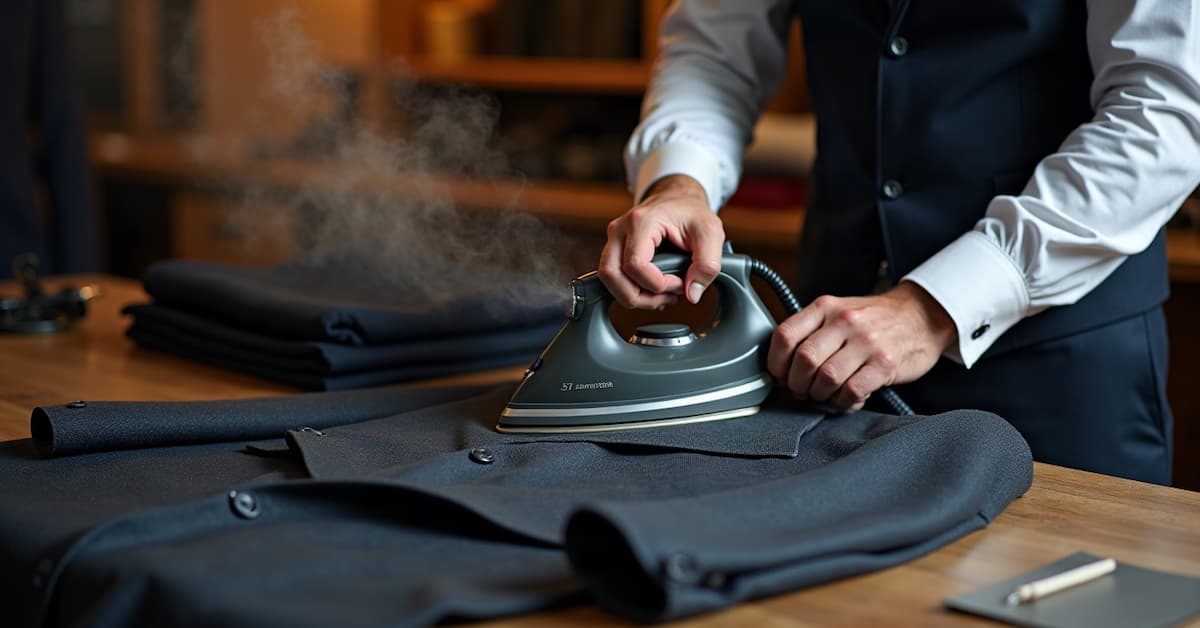
The custom made jacket that you have received from the tailor looks nice. However, one accidental use of the hot iron at home might destroy your jacket’s lapel roll, add shine to your wool, and destroy the work of the professional tailoring of many hours. Professional pressing will be helpful in maintaining the appearance and integrity of your clothing.
This article will show how professional pressing differs from ironing and how you should treat your clothes at home before taking them for professional pressing again.
Why Do Bespoke Garments Need Professional Pressing?
A custom-made suit will have many layers of canvas, interfacing, and padding to help it keep its shape and fall well. Structured jackets require such inner workings to have the proper shape, as compared to flat clothing.
Pressing involves the use of heat, moisture, and pressure to get rid of wrinkles. Pressing goes beyond just getting rid of wrinkles and is one of the finishing processes used to keep the clothes looking good and take care of the fabric.
How Is Professional Pressing Different from Ordinary Ironing?
Pressing involves working on the formation of the fabric, whereas ironing mostly eliminates wrinkles. Professional tailors work on shaping the fabric using steam, appropriate pressing equipment and supports that match the structure of the garment rather than flattening the garment.
Some equipment used includes:
-
Steam generators: Provide steam to soften the fabric fibers.
-
Vacuum pressing table: Assists in removing moisture and heat from the fabric.
-
Pressing cloths: Ensure that delicate fabrics are not directly pressed by a hot iron.
-
Tailor's hams and sleeve board: Used in supporting the curves in the fabric including the chest, shoulders, and sleeves.
For instance, a tailor can press the chest of a jacket with the help of a curved ham. This allows the fabric to hold the curved shape when cooling down. The same process of pressing the chest when flattened in an ironing board will flatten the curve.
What Are the Risks of Ironing Structured Jackets at Home?
In-home ironing can cause problems with tailor-made garments if improper amounts of heat, pressure, or moisture are used.
Among the most common issues are the following:
-
Shiny areas: Heat and pressure make wool fibers smooth and shiny.
-
Adhesive destruction: Overly hot temperature makes adhesives in fused garments lose their integrity and results in bubble formation or de-fusion.
-
Roll loss: Pressing the fold of the lapel will cause it to lose its roll.
-
Shoulder distortion: Pressing will flatten the shoulder padding and sleeve head.
-
Scorch marks or water marks: Using incorrect levels of heat and moisture will cause stains.
Depending on the fabric type, heat and moisture can be used in a different way, which will influence its appearance, structure, and shape.
Sometimes, the damage cannot be corrected and might have irreversible consequences. Thus, for expensive and valuable bespoke garments, it is better to opt for professional services.
What Does a Professional Pressing Service Include?
A professional garment pressing process would include an inspection of the clothing, choosing the proper technique, wrinkle removal, and the inspection of the finish. All of these steps need to take into consideration the specificities of every piece of clothing, which include fabric type, construction, and condition.
A normal set of services includes:
-
Clothing inspection: Inspection of seams, lining, buttons, and fabric for pre-existing damage.
-
Clothing identification: Determination of fabric and possible necessary special procedures.
-
Steaming and pressing: Using proper equipment and pressure for revitalizing the clothing.
-
Re-shaping: Being careful in the areas of structure such as shoulders and lapels.
-
Quality inspection: Inspecting for any unnecessary creasing, shine, and pressing marks.
The right approach will depend on the particular garment. Therefore, the professional garment pressing process shouldn’t involve only one method for all types of clothing.
How Are Suits, Jackets, and Trousers Pressed?
The interior structure of suits and jackets needs special attention during pressing. The professional presser works with the chest area, shoulders, and lapels to keep them in shape and remove all wrinkles from them.
Carefully aligning the creases and protecting seams, pockets, and buttons is important when pressing trousers. The use of pressing cloths and supports will help to avoid unnecessary pressing marks and shine.
In case of some small adjustments of the trousers at home, follow the care label and use a pressing cloth, working with the existing crease instead of creating a new one.
The number of pressing depends on how frequently the clothing item is worn and how wrinkly it gets. Many suits need pressing not after each wearing but after several times.
How Should Shirts, Dresses, and Delicate Garments Be Pressed?
Shirts, dresses, and delicate items need pressing methods that are appropriate to their fabrics and details.
For shirts, the typical method of pressing is collar, cuffs, sleeves, then body. The use of sleeve boards and proper forms will avoid unnecessary wrinkles.
With dresses, either steam pressing while hanging or actual pressing using a cloth can be used, depending upon the material and style of the dress.
Information regarding heat and moisture for various fabrics will be discussed later. Remember to adhere to the care instructions on the item, and take into consideration decoration and construction.
Which Pressing Techniques Protect a Garment's Construction?
The protection of the custom-made garment involves the balancing of temperature, humidity, and pressure according to the type of fabric and construction of the garment. The structured jacket consists of different layers, which have a specific reaction when pressed.
With professional equipment, the presser is able to manipulate those factors while taking into consideration the natural curvature of the garment. The goal is to get rid of the wrinkles without changing the construction of the garment.
How Do Heat, Steam, and Pressure Vary by Fabric?
Different fabrics like wool, silk, linen, cotton, and synthetics will require different pressing temperatures. The right temperature is unique to each type of fabric. It is not advisable to press all types of fabrics using one temperature.
Wool: Needs controlled humidity and reasonable pressure. The use of a pressing cloth is recommended to prevent any possible shine.
Silk: Needs low heat and gentle treatment. The use of direct steam might create water marks on some silk fabrics.
Linen: Needs higher heat and moisture content than wool depending on the requirements of the fabric.
Cotton: Needs high temperatures compared to other delicate fabrics.
Synthetics: Need low heat due to the possibility of some fibres melting or becoming shiny.
Always refer to the fabric care label for the right temperature to use when pressing. If the fabric composition is unknown, it is always advisable to seek professional advice.
How Should Canvas, Shoulders, and Lapels Be Handled?
Canvas, padding in shoulders, and lapels have to be steamed and pressed according to the make of the jacket. A tailor's ham, which is a shaped pressing board, can aid in keeping the natural contour of the chest and shoulder area.
The lapels of the suit have to be steamed and pressed in such a way that their roll is not flattened completely.
A sleeve board can be used to support the sleeves in the finishing process, and thus prevent any unnecessary pleats from developing.
All these methods need knowledge about the construction of the garment. All of these methods cannot be performed using a home iron and ironing board.
How Often Should You Press Bespoke Garments and Store Them Between Wears?
Press clothing when it requires refreshment, as opposed to following a strict schedule. The frequency will depend on the material of the clothes, their rate of wear, and the presence of wrinkles or odors.
Here are some useful intervals that you may use for guidance but not as a rule:
-
Suits: Refresh them when worn several times or after wrinkling.
-
Shirts: Press them whenever required, especially along the collar and cuff lines.
-
Delicate materials: Only press them when necessary, following the care label.
-
Pants: Refresh the crease when it fades or becomes uneven.
-
Coats: Check them from time to time throughout the season.
Over-pressing of fabric is a strain for it; failing to attend to creasing for an extended period of time could result in more trouble for removing it.
Storage is equally important in minimizing pressing requirements.
-
Use broad hangers to hold up jacket and coat shoulders.
-
Maintain adequate spacing between clothes so that air can flow through.
-
Select well-ventilated garment bags for seasonal clothing instead of plastic bags.
-
Ensure that the clothes are aired prior to storage back in the wardrobe.
-
Trousers should be hung on their own creases with the help of good quality trouser hangers.
As for minor wrinkles, hanging up the item in the bathroom during your shower might loosen some of them. But you should remember that this method should not be used with valuable clothes, nor can ambient steam substitute professional ironing where necessary.
How Can You Choose a Pressing Service in Bangkok?
When selecting a pressing service in Bangkok, it is not enough to identify one that is capable of getting rid of wrinkles from clothing. Certain jackets that are structured as well as delicate materials should be handled in a way that is suitable for their nature.
It is best to work with someone who is aware of how canvas, padding, lining, and different materials react to moisture and heat.
What Should You Ask Before Handing Over a Bespoke Garment?
Just some practical questions you could ask to evaluate if the service would be adequate for your clothes:
-
What equipment do you use? Check if they have professional pressing equipment intended for structured clothes.
-
What about protecting my jacket shoulders and lapels? The reply would reveal knowledge about clothes making.
-
Do you have special treatment for sensitive fabrics? For example, silk and thin wool need to be controlled both in terms of heat and moisture.
-
Are pressing clothes used where necessary? Pressing clothes protect clothes from direct contact with heat.
-
Would you check for the existing damages before pressing? It’s important because some damages may become even more visible after pressing.
-
How much time would it take? This way you’ll have enough time for your clothes without unnecessary hurry.
Professional providers shouldn’t hesitate to describe their work before receiving your clothes.
How Does Jesse & Son Approach Bespoke Garment Care?
Jesse & Son is a family-owned bespoke tailoring shop located on Sukhumvit Road, Bangkok. The company has been in the tailoring business for over 30 years, and caters to both genders.
In working with tailor-made clothes, the tailors become aware of how the fabric, canvas, padding, and linings affect the final jacket's shape. This would make their discussions of care related to garments possible. However, it does not necessarily mean that the tailors accept stand-alone pressing work.
For more context on how bespoke construction affects garment care, read how bespoke tailoring works in Bangkok.
The webpage of Jesse & Son gives information regarding the delivery of customized clothes. It does not make it clear if there will be delivery or pickup services in case of pressing only. You can inquire about it from their staff.
While choosing any tailoring business for your clothing, try to see if they adopt a method which focuses on construction of the dress, handling, and proper checking before pressing.
How Does Pressing Fit Into Long-Term Garment Care?
Pressing is only one aspect of keeping bespoke clothes along with proper cleaning, airing, storing, and repairing them. These aspects all have their own distinct roles to play.
Cleaning gets rid of built-up dirt and oils, whereas pressing aids in regaining the look of the garment. However, these processes do not automatically replace each other. A suit that only needs airing or minor wrinkle elimination may not need any cleaning at all, whereas a dirty suit requires proper cleaning before pressing.
Always follow the instructions for the garment you are trying to clean and ask an expert if necessary. Cleaning a soiled garment might make some stains harder to get rid of through pressing.
A useful maintenance procedure may involve:
-
Airing: Letting your clothes take some time off before wearing them again.
-
Pressing: Reviving wrinkles whenever necessary without too much heat or force.
-
Proper cleaning: Cleaning whenever the item needs it according to its condition and directions.
-
Inspecting your clothes' storage space seasonally: Looking into hangers and bags used to store the garments.
Each bespoke piece is an investment into fabric, fit and quality. Proper maintenance will allow you to prolong its use.
Jesse & Son Co., Ltd., believes in the importance of caring for bespoke clothes by knowing how each piece is made. We recommend the owner take care of the clothing through the proper means of cleaning, pressing, and storage. Should you need assistance on how to take care of your bespoke clothes, our team can assist you with the appropriate care methods. For those exploring a bespoke tailor in Bangkok, understanding garment care can help you make an informed choice.
FAQs
What Is a Professional Pressing Service for Bespoke Garments?
The professional process of pressing will help to remove wrinkles and restore the shape and appearance of tailored garments by means of appropriate methods and tools. Pressing differs from ordinary ironing in the sense that pressing considers the type of fabric and garment design, while ironing does not take this into account.
Can Jesse & Son Press Garments That Were Not Made by the Company?
Jesse & Son may talk to their customers who have custom-made garments about the care instructions for their clothes. Whether the garment can be taken up depends on its structure, condition, and the type of work involved.
How Do I Arrange Garment Care with Jesse & Son?
You can contact Jesse & Son by phone at +66814437747, through Line ID jesseandson, or by email at [email protected]. You can also contact the team through the social messaging channels linked from the company's website or visit the store at 1/15 Sukhumvit Soi 10, Asoke, Klong Toey 10110, Bangkok, Thailand.
Is Delivery or Collection Available in Bangkok?
Delivery is included in the services on the company website in relation to ready-made customized garments. No details are provided on the inclusion of delivery or pick-up services for pressing-only services. Feel free to contact us for more information.
Why Choose a Tailoring Specialist Instead of a General Laundry?
A tailor specialist will be more likely qualified to analyze the structure of made-to-order jackets in relation to their shoulder parts, canvas, lapel and lining. But what is relevant here is the expertise that the service provider has in pressing the particular item of clothing.
How Much Does Professional Pressing Cost?
Current information about the service doesn’t show whether Jesse & Son undertakes separate pressing tasks or not. If it does, it is necessary to ask the team to provide information about the prices and delivery time of the service.
 +66814437747
 @jesseandson
