
Reserve Limited Fabrics for Rush Reorders in Bangkok
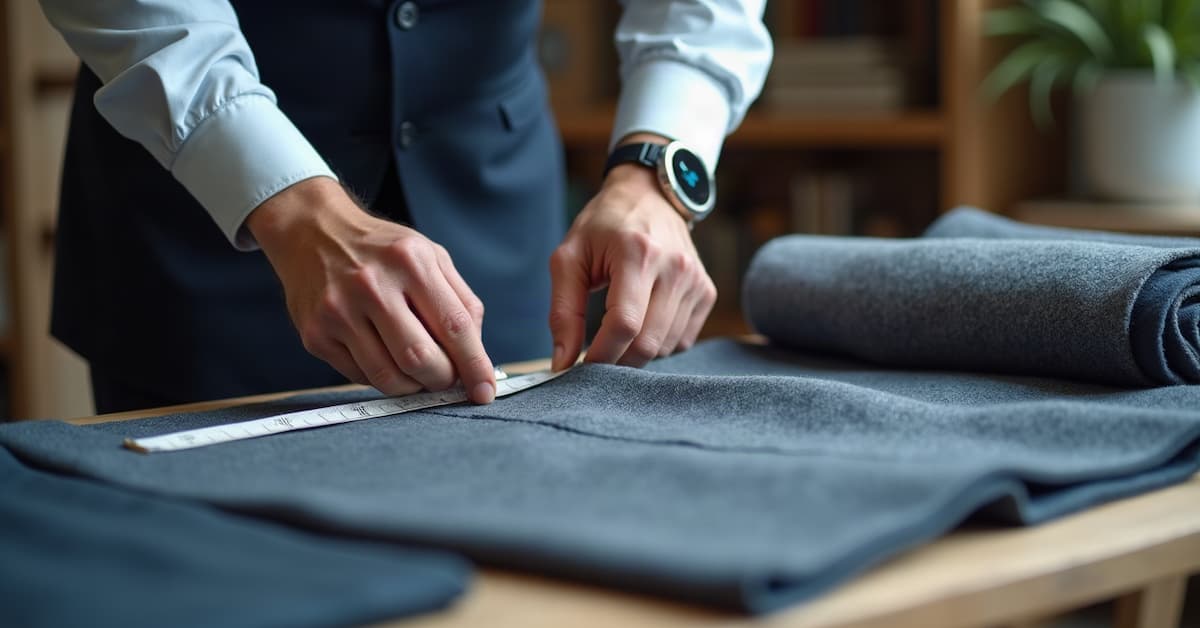
A BKK tailor can help you plan ahead when the fabric you love may not be available for your next jacket or pair of trousers. Limited editions and seasonal collections can sell out, making an exact match difficult to find. Discussing future needs before your first garment is made can help you determine whether extra fabric can be reserved.
This tutorial helps you understand why limited fabrics are hard to replace, how the reordering of fabrics is affected by various factors, how to calculate the amount of required fabric, how to preserve the reserved fabric and how patterns can help in reordering fabrics.
Why Do Limited and Discontinued Fabrics Sell Out So Quickly?
Some fabrics are manufactured in limited seasons. After a certain period has elapsed, the mill would go ahead to manufacture different fabrics and not duplicate the previous one. The disadvantage of this to the bespoke customer is that there would be no chance of ordering another item made of the same fabric.
Availability of the fabric in Bangkok depends on the supplier, fabric season, and availability of the fabric. Fabric which was available at one time could be unavailable after some days. A good strategy would be reserving enough fabric in advance.
How Seasonal Production Affects Fabric Availability
Fabric manufacturers organize their production according to collections, demand and available capacity. Sometimes after one batch of production is completed, repeating the order may not be possible especially if the collection has been discontinued.
There are several reasons why it may be hard to find replacement fabric:
- Minimum orders: It may not be cost effective to make an extra batch.
- Difference in dye lots: The fabric made from a later batch may have a slightly different shade.
- Production schedule: The mill may have scheduled its capacity for other collections.
- Discontinued collection: Certain fabrics are not available anymore once they are discontinued.
Sometimes the original fabric will not be available anymore and there is nothing but the fabric in the supplier’s or tailor’s inventory.
What Does Limited Stock Mean for Bespoke Clients?
In the case of a custom-made piece of clothing, you decide on the fabric to be used, the fit, and even the finishing touches. When the material runs out, the possibility of getting a matching jacket or another pair of pants becomes challenging.
Think about what other pieces you may need in the future when you are placing your initial order with the tailor. Talk about reserving the fabric at the time of your initial order and not when you realize you need more.
What Does a Rush Reorder Involve?
The order for a rush reorder is not just asking for another piece of cloth. The tailor has to verify if the cloth is available, whether the cloth is of the same type as the previous one, and arrange its delivery in accordance with the schedule of the dress manufacturing process.
Whether the fabric comes from the local suppliers or foreign mills, it could add days to the schedule until cutting can take place. In addition, shipping time, customs clearance, if applicable, and the capacity of the workroom will affect the schedule.
| Fabric Source | What to Expect |
|---|---|
| Local fabric warehouse | Depends on stock availability and delivery arrangements. |
| International supplier or mill | Depends on stock, production schedules, and shipping. |
| Expedited shipping or production | May shorten the wait, but availability and additional charges vary. |
How Can You Match the Original Fabric and Dye Lot?
The same fabric by name or product reference will not necessarily have the same characteristics as previous batches. Changes in dye lot, yarn, weight, and finishing can alter color, feel, and hang.
For the greatest chance of a match:
- Archive a swatch of the original fabric.
- Note the mill, fabric reference number, dye lot, and weight.
- Set aside enough fabric from the original bolt if possible.
- Ask the supplier to verify the batch information before delivering the fabric.
For instance, the navy suit constructed out of one dye lot will not match up to the jacket that has been made out of another. The variation can be apparent under specific lighting conditions despite carrying the same name of the product.
Keep a record of the fabric with the original garment information for verification purposes.
How Long Can a Rush Reorder Take in Bangkok?
This will depend upon whether the material is readily available locally or has to be imported from overseas. Material that is already available locally can be ordered quickly, whereas material imported from overseas might take longer.
Also, allow sufficient time for the actual manufacture of the dress, which involves cutting, tailoring, fitting, and quality check. In case you are only visiting Bangkok for a short period of time, let your tailor know the date of your departure before ordering.
How Much Fabric Should You Reserve for Future Reorders?
This will depend on the type of clothing you need, your dimensions, the width of the fabric, and whether you want to order any other piece of clothing in the future. Keeping too little might lead to an inability to reorder matching clothing, whereas keeping extra means tying up cash and storing the fabric properly.
The table provided below provides general estimates; however, these should be verified by your tailor based on your measurements, pattern, and fabric.
How Much Yardage Do Suits, Jackets, and Trousers Need?
For fabric around 150 cm wide, typical planning estimates are:
| Garment | Estimated Fabric Required |
|---|---|
| Two-piece suit | 3.5–4.5 meters |
| Jacket only | 2–2.5 meters |
| Trousers | 1.3–1.6 meters |
| Overcoat | 3–4 meters |
| Shirt | 1.5–2 meters |
The measurements will differ according to the size and pattern of the outfit. Checks, stripes, and plaids could need extra material in order to match up the design on the seams. Wider fabric may also reduce the quantity required.
Make sure you know the exact width of the bolt and have the tailor compute the amount required for each outfit. Approximations might not suffice when there is little left.
How Should You Plan for Alterations and Additional Garments?
If you anticipate ordering more items in the future, think about your entire wardrobe when considering how much fabric to stock up on.
Options could include:
- Saving enough to make a suit and another pair of trousers.
- Saving fabric to make a matching waistcoat at a future date.
- Saving enough fabric for two pairs of trousers.
- Saving material for a future jacket that uses the same fabric.
Additional fabric may be necessary for certain alterations or repairs, depending on the item and the extent of the repair. Consult your tailor whether this should be allowed, as additional fabric doesn't ensure all alterations can be made.
Write down the amount saved, dye lot, and reservation date. Learn from your supplier or tailor how long they are willing to save the fabric and if there are any storage costs involved.
How Should Reserved Fabric Be Stored and Recorded?
A reserved fabric requires proper storage and documentation in order to be useful and easily accessible. Cloth may get affected by moisture, light, and pest, while inadequate documentation may result in misplacement or misallocation of stock.
Proper storage and proper documentation ensure the protection and identification of cloth for future orders.
How Can You Protect and Label Reserved Cloth?
Keep reserved fabric in a cool and dry environment and not under direct sunlight and wet conditions. Ensure clean and breathable material is used when storing fabric and ensure you check the fabric regularly for any pest activity or moisture presence.
Label each reserved fabric with:
- Name of the client or reference.
- Date when it was received or reserved.
- Fabric name and type of material including the dye lot.
- Quantity reserved in meters.
- Garment intended and cutting notes.
- Location of where the fabric is kept in, say on the particular shelf and box number.
Keep an inventory record of fabric reserved to enable you know how much is left and avoid issuing the same reserved fabric to more than one order.
Do not keep reserved fabric folded in the same place for a long period of time, especially when heavy or delicate. Use care and storage tips recommended by the supplier for the particular fabric.
Given that Bangkok is humid, ensure fabric reserved is not damp and has been stored in an environment that provides for ventilation. Use care tips recommended for the particular material.
How Can a BKK Tailor Help With Fabric Reservations and Repeat Orders?
In the case of Jesse & Son, choosing a suitable fabric and planning a garment is included in their bespoke tailoring. This tailor firm has been in business for more than 30 years now and caters to customers from both locally and internationally, located at Sukhumvit.
When opting for a limited fabric, inquire about the possibility of getting more of the fabric and reserving it at the store. The details will be dependent on the kind of fabric used and order placed.
Storing information about the fabric along with the original pattern and garment is helpful when placing an order for the second time around.
How Do Archived Patterns Help With Repeat Orders From Abroad?
According to Jesse & Son, they maintain individual paper patterns for each customer, making more than twenty measurements in the course of custom suit making. This information could serve as a starting point for a repeat order, but measurements and fit should be verified.
However, this is just one aspect of the process; the team also has to verify the fabric type, measure any changes in measurements or preference in fit, and allow for production time.
This could facilitate the process for those customers who are ordering from outside the area. They would simply need to refer to their previous garments, consider available fabrics, and place an order.
In case some cloth was set aside, one would need to verify how much is still left on hand, and place a reorder accordingly. In case there is no reservation, the exact match might not be available anymore.
For more information about how bespoke suits are made in Bangkok, see the steps involved in fabric selection, pattern creation, fitting, and final inspection.
Can You Visit the Sukhumvit Store or Arrange Delivery?
Clients can go to Jesse & Son located at 1/15 Sukhumvit Soi 10, Asoke, Klong Toey, Bangkok, for discussion of fabric selections and future orders.
It is always better to see the fabric to compare colours, weight and weave and then decide on the quantity that you would like to hold. If you have an existing garment in that fabric, bringing that will make it easy for the team to know what kind of garment you want to match.
There are some points that you should take care of prior to your visit to Jesse & Son.
- Your existing garment if you want the same fit or a similar one.
- The garments you might like to place your order in the future.
- Quantity of the fabric left and whether a reservation can be done.
- Holding period and the cost of storage if any.
- Production and Delivery time if your stay in Bangkok is limited.
Also, ask Jesse & Son directly whether they can deliver the order at your hotel or residence.
You can explore the company's fabric collection before your visit. If you are new to the workshop, the story behind Jesse & Son also explains its background and approach to tailoring.
What Should You Check Before Reserving Fabric?
Use this checklist to clarify the quantity, terms, and practical arrangements before confirming a reservation.
- Design your clothing: Write down the list of suits, coats, pants or whatever else you might want to create.
- Calculate fabric quantity: Have your tailor compute the exact amount needed for each piece.
- Consider pattern matching: Determine whether there is any need for extra fabric due to stripes or checks or anything else.
- Confirm the dye lot: Remember the reference number of your original fabric and try to get the fabric from the same roll or batch.
- Clarify the reservation agreement: Agree upon the quantity reserved, its duration and associated charges.
- Store the fabric properly: Make sure that the fabric is protected from moisture, sun rays and any insects.
- Have good documentation: Save the date of reservation, details of the fabric, its quantity and storage place.
- Discuss time for reordering: Discuss manufacturing process, fittings, quality control and delivery before setting a deadline.
For more information on fabric availability and re-ordering please contact Jesse & Son.
- Address: Jesse & Son Co., Ltd., 1/15 Sukhumvit Soi 10, Asoke, Klong Toey 10110, Bangkok, Thailand
- Phone: +66 81 443 7747
- Email: [email protected]
- LINE ID: jesseandson
You can also contact the team through the company's available messaging and social media channels.
Conclusion
Reserving some fabric prior to its sell-out will make planning for further garments simpler and contribute towards keeping the bespoke wardrobe consistent. At Jesse & Son Co., Ltd., we urge our customers to consider future needs during selection of their initial fabric, note down all information about the fabric carefully and ensure reservations prior to placing a future order. As a BKK tailor serving local and international clients, we understand the importance of coordinating fabric availability with individual patterns, production schedules, and quality checks. Planning ahead gives us a clearer starting point when you need another garment in a familiar fabric.
FAQs
What does it mean to reserve limited fabric for a rush reorder?
This involves saving some fabric that could be used to make another dress in the future in case you want a similar one made from it. In case you want a replacement or even more material, it will help the tailor make it look more like the one you already have.
Why should I reserve fabric instead of ordering it later?
The limited range of fabrics is not replenished, and the next production run might have variations in color or texture. Reserving your fabric ensures that you do not miss out on getting your original fabric, which might lead to a delay if another piece of clothing is needed.
How much fabric should I reserve for a rush reorder?
This is because the quantity of cloth needed would depend on the design of the attire, the width of the cloth, your measurements, and future intentions. For instance, a two-piece suit could need about 3.5 to 4.5 meters of cloth, 150 cm wide.
How long can Jesse & Son hold reserved fabric?
The duration of the holding period varies based on the type of fabric and the order. Let Jesse & Son tell you how much fabric is reserved, for how long, and whether there are any storage costs.
Can I reserve fabric if I am only visiting Bangkok briefly?
Fabric reservations can be discussed during your visit, and you can also enquire about the possibility of getting future reservations made while placing orders internationally. It is essential to ensure that the fabric is available before making any reservation.
Does reserving fabric guarantee a specific delivery date?
No. Cloth reservation resolves one possible cause of delay; however, the deadline for the order will depend on workshop availability, construction, fitting, and delivery schedules. Make sure to discuss the estimated timeframe with your tailor when making the order.
 +66814437747
 @jesseandson
