
Tailor BKK: 7 Proven Checks Before Resoling Bespoke Shoes
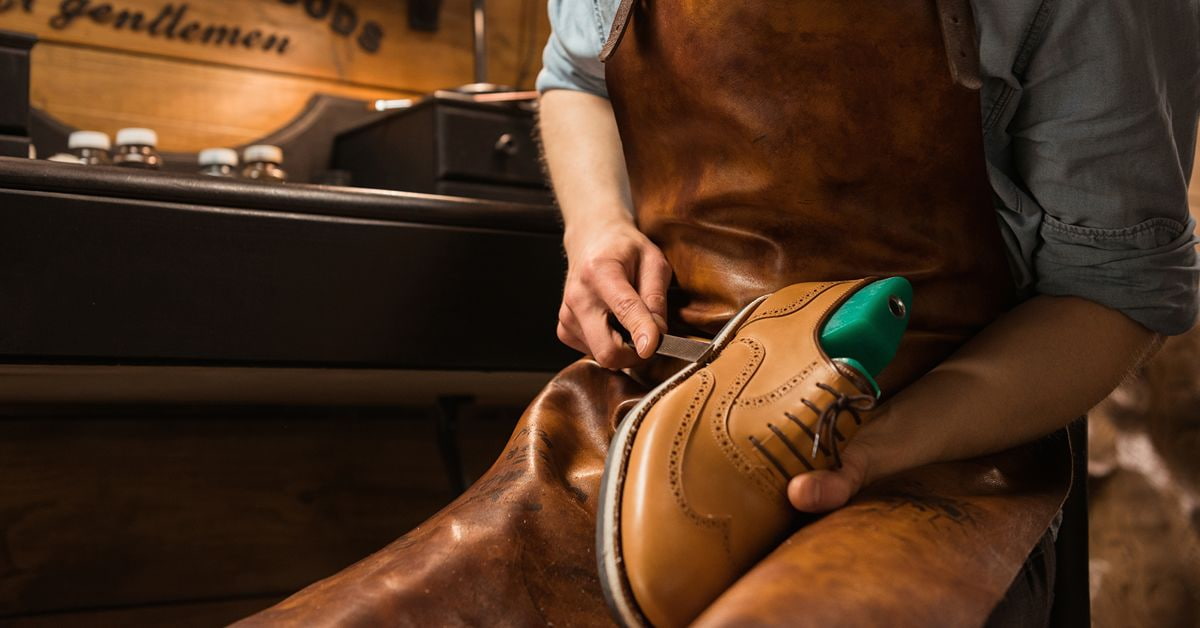
Resoling a well-made pair of shoes can be more complicated than simply replacing a worn outsole. The shoe's construction, the extent of the damage and the choice of replacement materials all influence which repairs are suitable and how the finished pair will feel. For anyone searching for a Tailor BKK, understanding these factors can make it easier to compare repair services and choose an option that preserves the footwear's original comfort and construction.
1. When Should You Consider Resoling?
The outsole is designed to withstand regular contact with the ground, so some wear is expected over time. However, leaving damage too long can make repairs more complicated, particularly if it begins to affect the layers beneath the sole.
Look for these signs:
-
Worn-through areas: Parts of the outsole have become noticeably thin or have developed holes.
-
Uneven wear: One side of the heel or sole has worn down more quickly than the other.
-
Loose edges: The outsole is beginning to separate from the shoe.
-
Reduced grip: The tread has become smooth, making the shoes less secure on certain surfaces.
-
Visible damage: Cracks, splits or other deterioration suggest that the sole needs attention.
Not every worn sole requires complete replacement. Depending on the damage, a repairer may recommend replacing only the heel, adding a half sole or carrying out a full resole. The condition of the upper and the shoe's underlying construction should also be assessed before deciding.
2. What Should You Know About Shoe Construction Before Resoling?
The construction method affects how an outsole can be removed and replaced. Understanding the basic construction of a pair makes it easier to evaluate the repair options and ask relevant questions before committing to a service.
Two common methods are:
-
Goodyear welted: The upper is connected to a welt, which is stitched to the insole. The outsole is then attached to the welt. This construction can make sole replacement more practical, provided the welt and surrounding components remain in suitable condition.
-
Blake stitched: The outsole is stitched directly through the insole and upper. Resoling may require specialised machinery, and the repair options depend on the shoe's construction and condition.
For customers, the main consideration is whether the existing construction allows the sole to be replaced without compromising the rest of the shoe. Checking the construction details before requesting a quotation can also make it easier to understand why one repair method may be recommended over another.
For a closer look at how construction affects future maintenance, Jesse & Son's custom shoe construction process explains its use of Goodyear welting and the role of construction in future maintenance.
3. What Should a Shoe Resoling Quotation Include?
A low quotation may seem appealing, but the price alone does not reveal what will actually be done to the shoes. One repairer may quote for replacing the entire outsole, while another may only include a partial repair. Comparing the details helps establish whether the proposed work meets the needs of the footwear.
| Quotation Detail | What to Clarify |
|---|---|
| Work required | Is it a full resole, half sole replacement or heel repair? |
| Replacement materials | What type of leather or rubber will be used? |
| Existing components | Will the welt, stitching or other parts be retained or replaced? |
| Additional damage | What happens if further problems are found during the repair? |
| Timeline | How long will the work take, and when will the shoes be ready? |
It is also worth asking whether both shoes will receive matching replacement soles. Differences in sole thickness, shape or construction can affect the balance and feel of the finished pair.
A repairer should explain any expected changes before work begins. Replacing a worn outsole may make the shoes feel firmer, thicker or different underfoot, depending on the replacement material and construction. The finished result should be discussed in advance, particularly when the original shoes have a familiar fit.
4. Which Replacement Materials Should You Consider?
Leather and rubber are two common choices for replacement soles, but they offer different characteristics. The right option depends on the original construction, intended use and preferred feel.
| Feature | Leather Soles | Rubber Soles |
|---|---|---|
| Appearance | Traditional finish often associated with formal footwear | More casual or practical appearance, depending on the design |
| Feel | Generally firmer underfoot | Varies by rubber compound and thickness |
| Grip | Can become slippery on smooth or wet surfaces | Tread patterns can provide additional traction |
| Everyday use | Often chosen for dress shoes and formal occasions | Often suitable for regular walking |
| Maintenance | Requires care to limit moisture damage and excessive wear | Requires inspection for worn tread and deterioration |
Leather Soles
Leather is often selected for its traditional appearance and relatively firm feel. It may suit formal footwear and certain dress shoes, although grip and resistance to wet conditions depend on the leather and sole finish.
Rubber Soles
Rubber can provide practical traction and may be suitable for regular walking. However, grip varies according to the rubber compound, tread pattern and surface conditions. A rubber sole is not necessarily slip-resistant in every environment.
Half soles and heel replacements
Besides choosing a replacement material, it is worth considering whether the entire outsole needs replacing. A half sole may be suitable when wear is limited to the forepart, while heel replacement can address damage concentrated around the heel. These options may preserve more of the original sole, provided the remaining material is still in good condition.
Before approving a material, ask whether it is compatible with the shoe's construction and whether it will change the overall thickness, flexibility or appearance. For additional background, choosing the best shoe soles for everyday walking provides further information about sole options.
5. Can the Repairer Handle Bespoke Shoe Construction?
Bespoke footwear may require more careful assessment than a standard pair of shoes. The original construction, materials and shape should be considered before any components are removed.
Ask the repairer:
- Have they worked with the same construction method before?
- Can they assess the condition of the welt, stitching and insole?
- Will the replacement sole preserve the original shape and proportions?
- Can they explain which parts will be retained and which will be replaced?
It is also useful to clarify whether the work is completed in-house or sent to another workshop. If another specialist is involved, ask who will assess the shoes and communicate any changes to the original quotation.
Check customer reviews before choosing a repairer. Reviews can offer useful insight into the quality of previous work, communication and reliability. Look for feedback that specifically mentions shoe repairs, sole replacements or bespoke footwear rather than relying solely on a business's overall rating. Photos shared by previous customers can also help assess the finished results.
A repairer's experience with general shoe repairs does not automatically establish experience with every type of bespoke construction. Clear answers about the specific pair, supported by relevant customer feedback are more useful than broad claims about repair expertise.
6. What Should You Confirm Before Approving the Repair?
Before leaving the shoes, make sure the agreed work is clear. A written quotation or repair record can help prevent misunderstandings about the scope of the job.
Confirm the following:
- The agreed repair: Record whether the work involves a full resole, half sole, heel replacement or additional repairs.
- The materials: Confirm the replacement sole type, colour and thickness where relevant.
- The condition of the shoes: Ask whether the upper, welt and other components are suitable for the proposed work.
- Additional costs: Find out whether the repairer will contact you before carrying out work beyond the original quotation.
- Collection arrangements: Confirm the expected completion date, payment terms and collection process.
Take photographs of the shoes before handing them over, particularly if they have distinctive details or existing damage. This provides a useful record of their original condition.
It is also important to distinguish between a business that makes bespoke footwear and one that offers shoe repairs. Jesse & Son's website describes its custom shoe construction, but this should not be taken as confirmation that it provides a separate resoling service. Repair availability should always be checked directly with the relevant business.
7. How Should You Care for Shoes After Resoling?
Proper care can help reduce unnecessary wear after a repair. The appropriate routine depends on the replacement material and the conditions in which the shoes are worn.
A few practical habits can help:
- Allow the shoes to dry naturally: If they become wet, let them dry at room temperature and keep them away from direct heat.
- Use shoe trees: Properly sized shoe trees can help maintain the shape of leather footwear when it is not being worn.
- Rotate footwear: Alternating between pairs gives shoes time to air out between uses.
- Keep the soles clean: Remove accumulated dirt and check for stones or debris lodged in the tread.
- Inspect wear regularly: Check the heels, sole edges and stitching for early signs of damage.
Follow any care instructions provided by the repairer, especially when a different sole material has been fitted. If the shoes begin to feel uneven, develop loose edges or show unusual wear, arrange an inspection before the damage progresses.
Conclusion
Resoling can help extend the useful life of suitable footwear, but a successful repair depends on choosing the right method and materials for the shoe's construction and condition. Understanding these factors before approving the work can help preserve the footwear's comfort, appearance and original proportions.
When comparing a Tailor BKK, look beyond the quoted price. A suitable repairer should be able to explain the proposed work, identify potential limitations and recommend an approach that meets the needs of the footwear. Taking the time to assess these details can help ensure a more informed repair decision.
Frequently Asked Questions
Can all shoes be resoled?
No. Resole suitability depends on the shoe's construction, the condition of the upper and the state of components such as the welt and insole. Some shoes may be better suited to a partial repair or may not be practical to resole.
How can you tell when shoes need resoling?
Common signs include thin or worn-through outsole areas, loose edges, uneven heel wear, reduced grip and visible cracks. A repairer can assess whether a full resole or a smaller repair is appropriate.
Is a full resole better than replacing only the heel?
Not necessarily. A full resole may be appropriate when the outsole is extensively worn, while a heel replacement may be sufficient when damage is limited to that area. The condition of the rest of the sole should guide the decision.
Should both shoes be resoled at the same time?
Replacing both soles can help maintain consistent thickness, balance and appearance. However, the appropriate approach depends on the condition of each shoe and the repairer's assessment.
How long does shoe resoling take in Bangkok?
Turnaround times vary according to the repair method, materials, workshop workload and condition of the shoes. Ask for an estimated completion date before approving the work rather than relying on a general timeframe.
Are rubber soles better than leather soles?
Neither material is universally better. Leather may suit traditional formal footwear, while rubber can offer practical traction for everyday use. The best choice depends on the shoe's construction, intended use and preferred feel.
What should you bring when requesting a resoling quotation?
Bring both shoes so the repairer can compare their condition and wear patterns. It is also helpful to explain how frequently they are worn, where they are used and whether any particular fit or feel needs to be preserved.
 +66814437747
 @jesseandson
