
How Jesse & Son Drafts Patterns for Unique Body Shapes
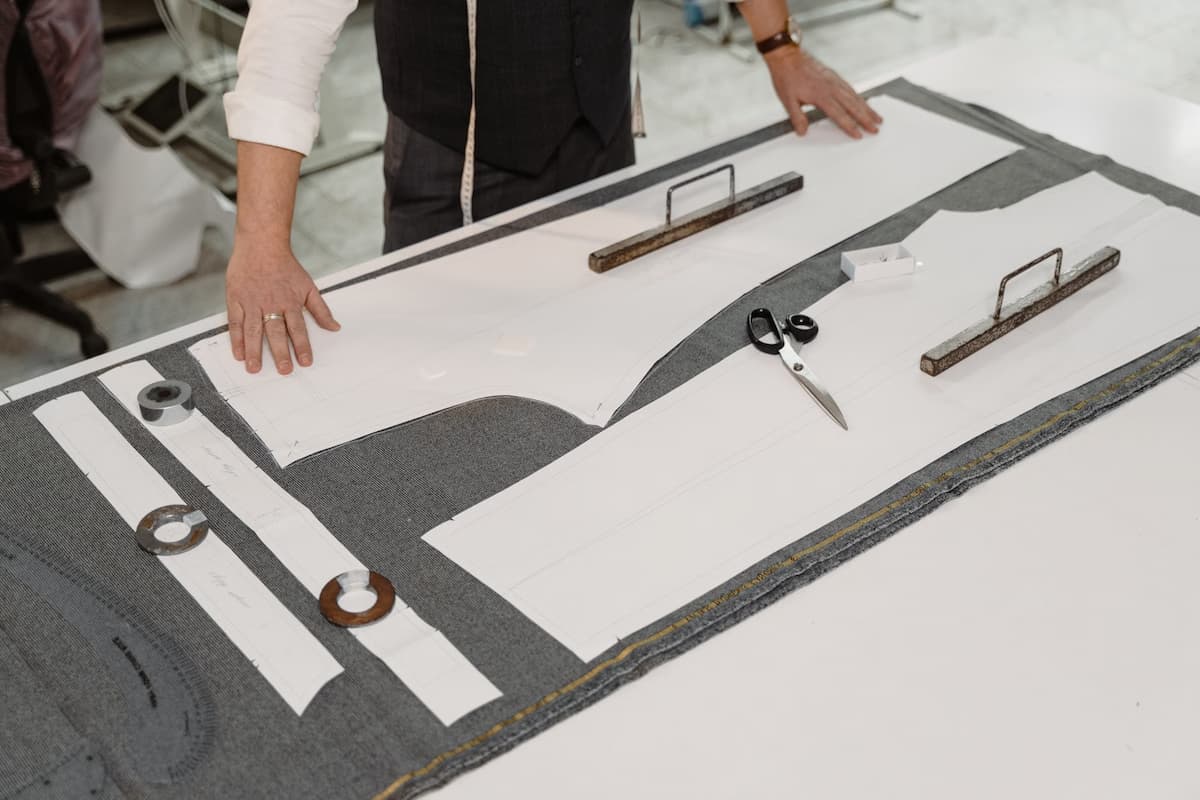
A custom garment begins before the first cloth is cut. Pattern drafting turns measurements, posture, movement and design preferences into a blueprint for one person. For clients who do not match a standard block, it separates a personal garment from a mass-produced approximation. The tailor interprets how measurements relate, observes the client’s natural stance and tests those decisions on the body. Jesse & Son begins with a consultation, more than 20 measurements and notes on build, stance and posture. The individual pattern guides construction, while fittings refine the garment for asymmetry, balance, fabric and the preferred silhouette.
The Limits of Standard Sizes
Ready-to-wear patterns use average proportions. They can be altered, but the starting block may compromise shoulder slope, chest balance, back length, sleeve position or trouser shape. When several differences occur together, correcting one can create tension elsewhere. Taking in the waist cannot correct a jacket that is short through the front or uneven across the shoulders. A bespoke pattern begins with the individual. It should not hide a feature or force symmetry. Instead, it helps the garment hang cleanly, permit movement and present the client’s preferred silhouette. Two people with similar chest and waist measurements may therefore need different patterns.
From Consultation to a Working Personal Block
The Garment’s Purpose Comes First
The tailor needs to understand where the garment will be worn, its formality, the client’s preferences and previous fitting problems. A jacket for daily Bangkok business travel may need a different balance of structure, ease and cloth from one intended for ceremonies. Priorities may include shoulder comfort, a clean waist, sleeve mobility or trousers that remain balanced. Recording those priorities helps the tailor decide where ease, structure and visual definition matter most.
Measurements Go Beyond the Basics
Chest, waist and inseam are only the beginning. The tailor may also consider shoulder width and slope, front and back balance, arm circumference, sleeve position, seat shape, rise and the neck-to-shoulder relationship. The client should stand naturally instead of posing. Small asymmetries are normal: one shoulder may sit lower, one arm may rotate differently, or one side of the back may be fuller. Treating these details as information rather than defects allows targeted adjustments. The aim is balance based on the wearer, not an assumption that both sides are identical.
The First Draft Becomes a Working Pattern
Measurements and posture notes become a pattern for a jacket, shirt, dress, skirt or trousers. It establishes the centre front, shoulder, waist, hip, armhole and side seam before adding the lapel, pockets, vent, pleat, cuff or hem. This first personal block is a working record rather than a permanent answer. Later versions can incorporate what the tailor learns from fittings, daily wear and changes in the client’s preferences.
Testing the Pattern Before Final Construction
Before permanent finishing, a basted garment tests the pattern on the body. The tailor checks drag lines, collar contact, shoulder balance, waist suppression, jacket length, sleeve pitch and ease. Feedback about pressure, looseness or restriction identifies changes while adjustments remain possible. Sit, walk, raise your arms and reach as you would in daily life. Trouser and skirt checks include the rise, seat, waistband, knee and hem; shirts and dresses require attention to chest or bust placement and armhole comfort. Corrections can be marked before finishing, while in-house construction connects the fitting with Jesse & Son’s making and quality-control teams.
Adjusting the Pattern for Shape, Style and Bangkok
A sloping shoulder may require a different shoulder line and sleeve balance. A fuller chest can need extra front length without added waist width. Seat shape, a sway back or forward posture can alter the front and back panels. Building these corrections into the pattern offers more control than patching a finished garment. The principle applies across men’s and women’s clothing, although shaping differs by garment. Jesse & Son’s article on women’s bespoke tailoring for curved body shapes examines bust, waist and hip balance. Shape categories may suggest a challenge, but the client’s combination of proportion, posture and mobility is more useful than the label.
Fit Should Not Become Disguise
A good pattern does not make every body resemble one template. Fit supports the wearer, while disguise assumes that a feature must be concealed. A jacket can follow an uneven shoulder and still present a clean front. Trousers can accommodate a posture difference without making the adjustment obvious. The client may prefer a natural silhouette, a sharper shoulder or more room. Over-correction can cause discomfort. Imposing symmetry without considering the wearer may leave them pulling at a jacket or resetting the waistband. Technical accuracy should support comfort and mobility before expressing the preferred structure. A successfully adjusted garment feels unobtrusive and looks intentional.
Accounting for Bangkok’s Climate and Daily Movement
Bangkok clothing must work through heat, humidity, walking, driving and air-conditioned interiors. Armhole depth, sleeve width, back ease, trouser rise and vents affect comfort. A close-fitting garment can still allow a full stride, sitting and reaching, but those actions should be tested. Fabric and construction must also suit the pattern. Lightweight cloth may need ease to reduce clinging, while a structured garment may need internal support, including canvas where the construction calls for it. The guide to fabrics for Bangkok’s humid climate explains relevant fibres, weights and weaves. Local experience connects these choices to daily life in the city.
Refining and Preserving the Pattern Over Time
Daily life may reveal what the fitting room does not. The collar may shift while driving, the sleeve may rise when reaching, or trousers may crease after sitting. Returning for correction does not necessarily indicate failed bespoke work. Feedback helps the tailor distinguish a pattern issue from fabric behaviour or personal preference. Note the activity, where you felt tension and when the issue appeared. Those observations may guide an alteration and improve the next pattern. For the full appointment sequence, read how bespoke tailoring works in Bangkok, from consultation and cutting through construction, fitting and delivery.
The Personal Pattern as a Long-Term Record
Jesse & Son states that every garment receives an individual pattern and that the Master Tailor archives it for future use. New garments may vary in fabric and design while retaining fit decisions that work. If weight, posture, routine or preferred silhouette changes, the pattern should be reviewed rather than copied without another fitting. Clients can keep notes about successful styles, fabrics and alterations, and ask how fitting changes and preferences will be carried forward. This continuity helps people who return to Bangkok or build a wardrobe over several years. The useful test is whether the team understands the wearer and updates the pattern as their needs change.
Preparing for a Personal Consultation
Bring shoes, shirts or reference garments from your wardrobe, plus photographs of the preferred style. Explain any pulling, shoulder mismatch, limited sleeve movement, trouser imbalance or repeated alterations. Describe the sensation and demonstrate the action causing it. These details reveal what a size chart cannot. Allow time for consultation and fittings, particularly when visiting Bangkok on a fixed schedule. Whether the priority is a signature suit detail, corporate shirt, the right hem or coordinating footwear, collaboration improves the result. The overview of tailoring prices and fabric categories can also frame the discussion about garment type, cloth and construction.
A Pattern Built Around the Person
At Jesse & Son, we use consultation, detailed measurements, an individual archived pattern and fittings to shape each garment around the client’s proportions, preferences and intended use. The result should make daily dressing easier, permit natural movement and require less adjustment during wear. For a first bespoke garment or a long-term wardrobe, working with a bangkok suit tailor turns measurements and observations into practical decisions before the final cloth is cut.
Frequently Asked Questions
Can the Same Personal Pattern Be Used for Every Garment?
It provides a foundation, but each garment still requires decisions about fabric, construction, ease and use. Shirt, suit and trouser patterns solve different problems, so one set of measurements is not universal.
Should I Mention a Lower Shoulder or Posture Difference?
Yes. Explain what you notice and let the tailor observe your natural stance and movement. No technical vocabulary is required, and normal asymmetry does not need to be treated as a defect.
What Happens if My Body or Fit Preference Changes?
The archived pattern should be reviewed. New measurements and a fitting can show whether an update or a new draft is more appropriate. An older pattern remains a reference, not a reason to ignore current proportions or preferences.
 +66814437747
 @jesseandson