BKK Tailor: 7 Suit Measurement Checks for Athletic Builds in Bangkok
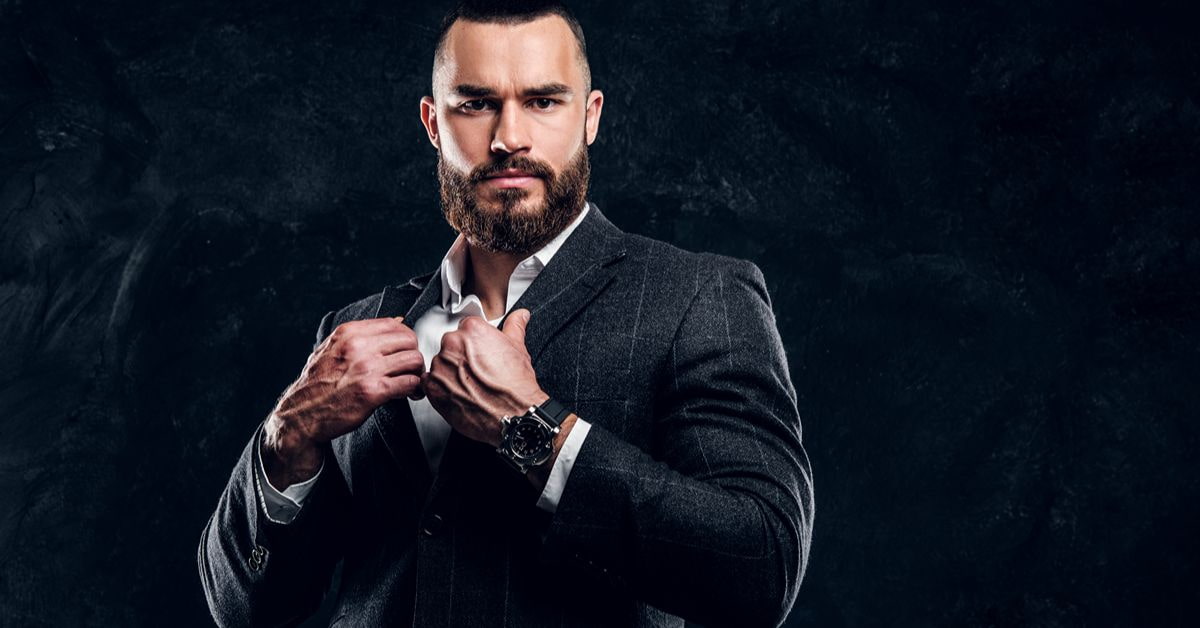
When choosing a BKK Tailor, customers with athletic builds should look beyond standard chest and waist measurements. Broader shoulders, a fuller chest and developed thighs, combined with a narrower waist can make conventional sizing difficult. A jacket may fit comfortably across the chest but leave excess fabric around the waist, while trousers that fit at the waistband may feel restrictive through the thighs.
The key is to assess how these proportions work together. Careful measurements, an individual pattern and practical fitting checks help create a suit that complements the wearer's build without sacrificing comfort or mobility.
Why Does an Athletic Build Need Individual Suit Measurements?
Off-the-rack suits have a set proportion of measurements of the chest, shoulders and waist. Those proportions do not necessarily cater to the bigger difference between the upper and lower parts of the body that athletic types tend to have.
For instance, using a larger jacket for wider shoulders might end up making the waist very loose, while using a smaller size for a tighter fit might cause tightness across the chest, back and upper arms.
One useful tailoring concept is the chest-to-waist drop, which refers to the difference between those two measurements. The greater the difference, the more prominent the upper body will be, with each person having different proportions.
Measurements can help a tailor take into account those differences, instead of using a standard size. Nonetheless, having a bigger upper body does not necessarily mean that one needs a really slim-fit suit. Other factors such as posture, movement, preference and occasion matter as well.
What Should You Tell a Tailor Before Measurements Begin?
The consultation is an opportunity to explain previous fitting problems and establish what the finished garment needs to achieve.
Bring a shirt and trousers similar to those expected to be worn with the suit. A well-fitting jacket can also serve as a reference, particularly when explaining preferred sleeve length, jacket proportions or overall silhouette.
The following details can help guide the initial assessment:
| Topic to Discuss | Useful Details | Why It Matters |
|---|---|---|
| Chest and shoulders | Tightness, pulling or excess fabric | Identifies sizing and balance issues |
| Waist preference | Close, shaped or relaxed | Establishes the desired silhouette |
| Arm movement | Reaching, driving or desk work | Helps assess sleeve and armhole comfort |
| Trouser fit | Thigh, seat, rise and hem | Separates leg comfort from waist sizing |
| Occasion | Work, travel or formal events | Determines the required structure and ease |
The intended use of the suit also matters. A jacket worn throughout a working day may require more room for movement than one intended for a short formal occasion. Mention any particular items carried in the pockets, as their placement can influence how the fabric hangs.
Which Jacket Measurements Deserve the Most Attention?
Four areas are particularly important when assessing an athletic upper body.
1. Shoulder Line and Slope
The shoulder seam should sit naturally in relation to the wearer's shoulder rather than extending too far outward or pulling inward.
Shoulder slope also affects how the jacket hangs. Someone with sloping or uneven shoulders may need adjustments to the shoulder line and sleeve position to maintain a balanced appearance.
These details should be determined at an early stage as shoulder adjustments could become difficult after construction.
2. Chest and Back Balance
A fuller chest requires sufficient room for the jacket to close comfortably without creating horizontal tension or pulling across the back.
However, chest circumference alone does not determine the fit. Front-to-back balance also matters. For example, a fuller chest may require additional room or front length without necessarily requiring a wider waist.
If the jacket pulls across the chest or back, the tailor should assess where the tension is rather than simply increasing the overall size.
3. Armhole and Sleeve Comfort
The armhole should accommodate the wearer's natural arm position without creating excessive fabric around the underarm.
The sleeve also needs sufficient room through the upper arm, particularly for customers with developed biceps and forearms. A very narrow sleeve may look neat while standing still but become restrictive when reaching or bending the arm.
The objective is to maintain a clean sleeve line while allowing enough wearing ease for ordinary activities.
4. Waist Shaping and Jacket Silhouette
Waist suppression refers to shaping the jacket closer to the body through the waist. It can help accommodate a pronounced chest-to-waist difference without making the chest and shoulders unnecessarily tight.
However, taking in the waist cannot correct every fitting problem. If the jacket has poor shoulder alignment, insufficient chest room or an unsuitable front-to-back balance, additional structural adjustments may be necessary.
The amount of shaping also remains a personal preference. Some customers prefer a pronounced tapered silhouette, while others favour a straighter jacket with more room through the body.
For a closer look at how individual measurements and posture influence garment construction, check out our blog on how Jesse & Son drafts patterns for unique body shapes.
How Should Trousers Be Measured for Strong Thighs?
Assess the Waist, Seat, Rise and Thigh Together
A comfortable waistband does not necessarily mean the rest of the trousers fit properly. The waist, seat, rise and thigh measurements should be considered together because adjustments in one area can affect the overall shape.
Pay particular attention to:
- Thigh circumference: Provides enough room for developed quadriceps without creating horizontal pulling or restricting movement.
- Seat measurement: Accommodates the hips and buttocks, particularly when sitting.
- Trouser rise: Determines how high the waistband sits and how the trousers fit through the front and back.
- Leg shape and hem: Establishes the desired taper and trouser break in relation to the wearer's proportions and footwear.
For example, adding room through the thigh without considering the seat and rise may still leave the trousers uncomfortable when sitting. The tailor should assess how the different areas work together rather than treating each measurement independently.
Try sitting, walking and bending the knees during the fitting. Pinching around the thighs or pulling across the seat can indicate insufficient room.
The preferred rise and leg shape should also be discussed. Some customers favour a higher rise with a traditional silhouette, while others prefer a lower rise and a more contemporary cut.
What Should You Check During a Suit Fitting?
Measurements establish the initial proportions, but the fitting reveals how the constructed garment behaves on the actual body.
Wear the shirt and shoes expected to accompany the finished suit, or ask the tailor what to bring. Stand naturally rather than forcing an unusually upright posture, as this helps the fitter assess normal alignment.
Two final checks are particularly useful.
1. Check the Jacket During Movement
Examine the jacket both open and closed. Pay attention to shoulder alignment, lapel position, chest comfort, waist shaping and sleeve length.
Then try reaching forward, raising the arms and sitting down. These movements help reveal restrictions that may not be noticeable when standing in front of a mirror.
If the jacket pulls across the back or rises excessively during movement, explain where the tension occurs. The tailor can then assess whether the issue relates to the armhole, sleeve position, chest balance or overall construction.
2. Assess the Overall Balance
Finally, consider how the jacket and trousers work together.
The shoulder line, jacket length, waist shaping, trouser rise and leg proportions should create a consistent silhouette. A jacket that fits well across the chest can still look disproportionate if its length or waist shaping does not complement the trousers.
Also mention any differences between the left and right sides. Uneven shoulders, different arm positions and natural body asymmetry can affect how a garment hangs.
A useful fitting comment describes both the location and sensation. Saying "the back pulls when reaching forward" gives the fitter more actionable information than simply saying the jacket feels tight.
How Can You Avoid Common Measurement Mistakes?
A few simple precautions can make the measurement and fitting process more productive.
Maintain your natural posture. Do not hold your breath, tense your shoulders or pull in your stomach while being measured. Measurements should reflect how you normally stand and breathe.
Avoid requesting an excessively narrow waist. A highly tapered jacket may look sharp in one position but become uncomfortable when sitting or moving. Agree on a practical silhouette rather than focusing on the smallest possible measurement.
Keep a record of the agreed details. If the shop provides an order or measurement sheet, confirm the fabric, lining, buttons, pocket arrangement, fitting stages, alteration policy and expected collection date.
It is also worth discussing any changes in posture, weight or training between appointments. These details can affect how the garment fits and whether previously recorded measurements need to be reviewed.
If this is the first bespoke suit, check out our blog on how bespoke tailoring works in Bangkok for a broader explanation of consultations, individual patterns, construction and fittings.
Conclusion
A well-fitted suit for an athletic build depends on more than chest and waist measurements. Shoulder balance, chest-to-waist proportions, sleeve comfort, trouser construction and proper fittings all contribute to the finished garment. At Jesse & Son, we believe the best approach combines careful measurements with open communication and an individual understanding of each customer's proportions and preferences. As a BKK Tailor, we focus on shaping garments around the person wearing them rather than forcing the wearer into standard sizing.
FAQ
What measurements does a tailor take for an athletic build?
A tailor may assess shoulder width and slope, chest, waist, sleeve length, upper-arm circumference, posture, seat, thigh and trouser rise. The exact measurements depend on the garment and the individual's proportions.
Should a muscular man size up in a suit?
Sizing up can provide additional room across the chest and shoulders but may create excess fabric around the waist and other areas. A tailor should assess the overall proportions rather than relying on one size label.
How should a suit jacket fit broad shoulders?
The shoulder seam should follow the wearer's natural shoulder line. The jacket should also provide sufficient room across the chest and back without restricting arm movement.
Can a tailor make a jacket narrower at the waist?
A tailor can often introduce additional waist shaping through the jacket's seams. However, the amount of adjustment depends on the construction, available fabric and desired silhouette. Problems with shoulder alignment or chest balance may require more extensive corrections.
How should suit trousers fit muscular thighs?
Trousers should provide enough room through the thighs and seat for comfortable sitting and walking. The waistband, rise and leg shape should also be assessed together to maintain balanced proportions.
What should I wear to a tailoring appointment?
Bring a shirt and shoes similar to those expected to be worn with the finished suit. A well-fitting reference jacket or trousers can also help communicate preferred proportions and fit.
How many fittings will I need in Bangkok?
The number depends on the garment, the complexity of the fit and the tailor's process. Ask about the expected fitting stages and allow sufficient time for adjustments before collection.
Can a tailor accommodate uneven shoulders?
A tailor can assess differences in shoulder height and slope and discuss appropriate pattern adjustments. Standing naturally during the consultation helps identify these differences.
 +66814437747
 @jesseandson
