
Custom Pocket & Lapel Details for Bangkok Bespoke Suits
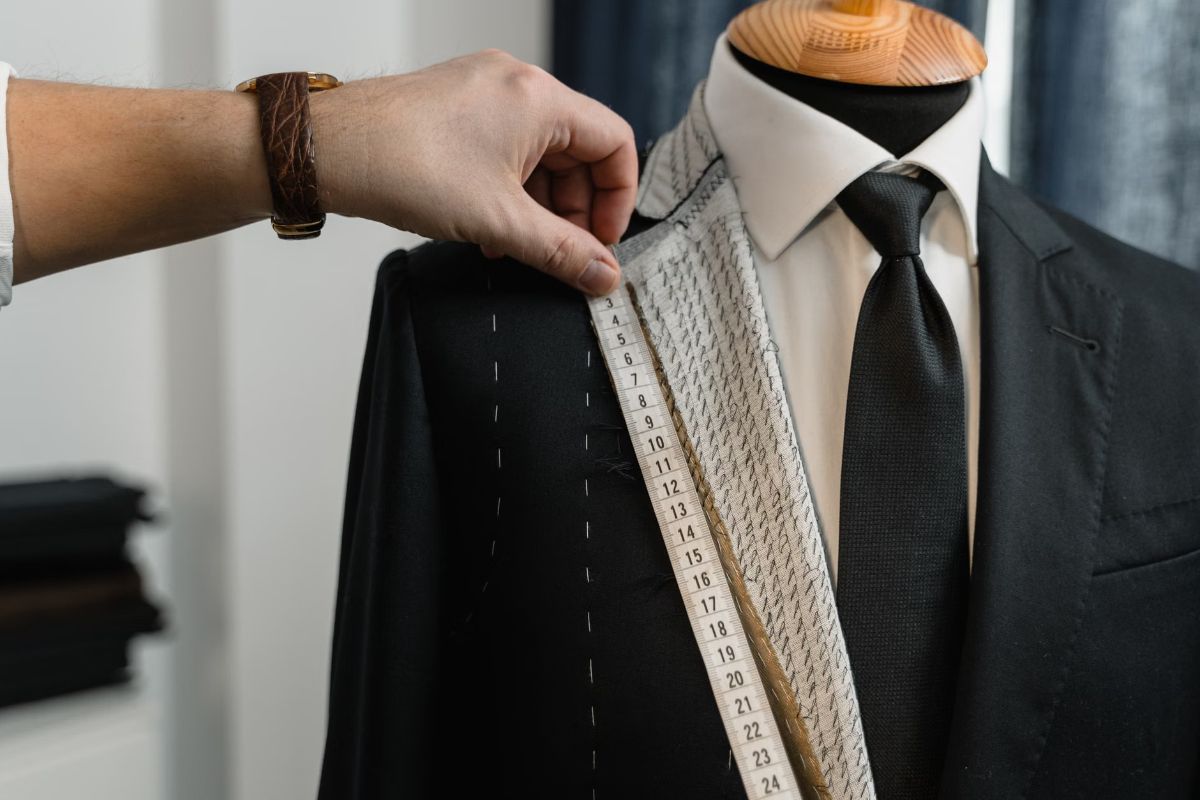
When you commission a bespoke suit in Bangkok, choosing the fabric and getting the fit right are only the beginning. Once those foundations are established, the smaller design decisions start determining what the finished jacket actually looks like.
Should the lapels be notch or peak? How wide should they be? Do you want traditional flap pockets, cleaner jetted pockets or casual patch pockets? Would a ticket pocket add character, or simply make the jacket busier than it needs to be?
These choices are easy to overlook during a first tailoring appointment, particularly when several options are presented at once. Yet they influence the balance, formality and personality of a jacket far more than many first-time bespoke buyers realise.
For men researching custom pocket and lapel details for Bangkok bespoke suits, the goal should not be to choose the most unusual combination available. It should be to understand what each detail does, then build a jacket whose individual elements make sense together.
What Do Lapels Change About the Look of a Suit?
The lapel occupies a large part of the front of a suit jacket, so even a relatively small change in its shape, width or positioning can alter the overall impression of the garment.
There are three principal lapel styles worth understanding before your consultation.
The Notch Lapel
A notch lapel has a V-shaped opening where the lapel meets the jacket collar. It is the most familiar configuration on modern single-breasted suits and remains one of the easiest options to wear across different situations.
For a business suit, everyday professional wardrobe or first bespoke commission, a notch lapel is difficult to go wrong with. It works particularly naturally with a two-button single-breasted jacket and can be adjusted considerably through its proportions without becoming overly conspicuous.
That is where customization becomes useful.
Instead of simply asking for a notch lapel, consider its width and gorge position as well. A moderately wider notch can give the front of a jacket greater presence, while a slimmer version can create a lighter, more contemporary appearance.
The right answer depends less on what is fashionable and more on your build, jacket cut and intended use.
The Peak Lapel
Peak lapels point upward toward the shoulders rather than forming the open notch associated with a standard business jacket.
They are traditionally associated with double-breasted tailoring and formal clothing, although they are also commonly used on single-breasted suits when the wearer wants a stronger, more assertive front.
A well-proportioned peak lapel can work particularly well on a business suit, wedding suit or evening garment. On a double-breasted jacket, it is one of the most natural pairings because the stronger lapel complements the broader overlapping front.
The important part is execution. The angle and length of the peak, lapel width, gorge and shoulder line all need to work together. An oversized peak on an otherwise restrained jacket can feel disconnected, while one that is too small can lose much of its visual purpose.
The Shawl Lapel
A shawl lapel replaces the notch or peak with a continuous curved line from the collar down the front of the jacket.
Unlike notch and peak lapels, it is primarily an eveningwear choice. You will most commonly encounter it on dinner jackets, tuxedos and smoking jackets.
For black tie, both shawl and peak lapels can be appropriate. The difference is mainly aesthetic. Peak lapels give the jacket a sharper, more architectural appearance, while a shawl collar produces a softer and more fluid line.
If you are commissioning eveningwear, this is also where the facing material becomes part of the conversation. Satin or grosgrain can be used to create contrast against the main jacket cloth.
How Should You Choose the Right Lapel Width?
Choosing between notch, peak and shawl is only the first decision in Bangkok tailor lapel customization.
Width can dramatically change how a lapel relates to your chest, shoulders, tie and overall jacket proportions.
Rather than following a rigid rule such as wide equals formal and narrow equals modern, think in terms of balance.
A man with broader shoulders may suit a more substantial lapel because it occupies the jacket front proportionately. Someone with a narrower frame may prefer something slightly more restrained. Your tie width, shirt collar and jacket length also contribute to the visual balance.
The lapel roll matters too.
This is the three-dimensional curve created as the lapel turns away from the chest toward the collar. Rather than lying completely flat, a well-shaped lapel should transition naturally across the front of the jacket.
These details are much easier to evaluate on an actual finished garment than from a specification sheet. When discussing bespoke suit lapel types in Thailand, ask your tailor to show you completed examples and pay attention to how the lapel works with the chest, shoulders and overall cut rather than simply choosing a style name.
Which Pocket Styles Work Best on a Bespoke Suit?
Lapels attract most of the attention around the upper body, but pockets determine much of what happens lower down the jacket.
When comparing bespoke suit pocket styles in Bangkok, three configurations are especially useful to understand.
Flap Pockets
Flap pockets are the familiar choice on most business suits. The pocket opening is concealed beneath a rectangular piece of matching fabric, creating a clearly visible horizontal feature across each side of the jacket.
Their greatest advantage is versatility.
They are formal enough for professional tailoring without making the suit feel like eveningwear, but not so casual that they restrict where the jacket can be worn.
If you are commissioning one suit to cover business meetings, dinners, travel and formal occasions short of black tie, flap pockets are usually a sensible starting point.
Jetted Pockets
Jetted pockets remove the visible flap and leave a narrow, clean opening bordered by fabric.
The result is visually simpler than a flap pocket and traditionally associated with more formal tailoring. They are particularly common on tuxedos and dinner jackets, but can also be used on business suits when the wearer prefers an uncluttered front.
This is a good example of why buyers should specify details clearly rather than assume every tailor uses the same default.
If you want jetted hip pockets, request them during the design consultation before the jacket is cut.
Patch Pockets
Patch pockets sit on the exterior of the jacket rather than being built into the front.
Because their edges and stitching remain visible, they immediately make a jacket feel less formal. That makes them particularly well suited to sport coats and relaxed tailoring.
They can be an excellent choice with linen, cotton and other casual fabrics, especially when the goal is a jacket that can be worn separately with trousers or chinos rather than as part of a formal business suit.
For someone commissioning several garments, this distinction can be useful: keep the business suit clean and conventional, then use patch pockets to give a separate jacket more personality.
Is a Ticket Pocket Worth Adding?
A ticket pocket is the smaller additional pocket positioned above one of the standard hip pockets, traditionally on the right side.
Its origins are practical, but today it is mainly a stylistic reference to traditional British tailoring.
A ticket pocket can add character to a suit without becoming immediately conspicuous, particularly when combined with flap or slightly angled pockets. It works especially naturally on British-influenced tailoring, sport coats and jackets with other traditional details.
That does not mean every bespoke suit benefits from one.
If your jacket already has expressive peak lapels, a strong fabric pattern or other noticeable detailing, another pocket may simply create unnecessary visual competition.
Good bespoke suit detailing in Bangkok is often about knowing when to stop customizing.
Pocket Angles and Flap Shapes Matter Too
Choosing flap pockets does not necessarily finish the conversation.
Straight pockets create a traditional horizontal line across the jacket. Slightly slanted or hacking pockets angle downward toward the centre and can give the jacket a more dynamic appearance.
The flap itself can also be shaped differently depending on the tailoring style.
These distinctions are subtle, which is precisely why bespoke buyers who already understand the basic options may find them interesting. They let you personalize the jacket without relying on obvious monograms, contrast stitching or decorative features.
The result can still look completely conventional from across the room while reflecting very specific preferences when viewed more closely.
How Do You Make the Lapels and Pockets Work Together?
The most useful way to approach a bespoke consultation is not to choose every feature independently.
Think about the finished jacket as a complete design.
A conservative navy business suit might combine a medium-width notch lapel with straight flap pockets for maximum versatility.
A double-breasted business suit could use broader peak lapels with flap pockets, giving the jacket presence without making every element overtly formal.
A black dinner jacket could pair peak or shawl lapels with jetted pockets to maintain a clean eveningwear silhouette.
A lightweight linen sport coat might combine a softer notch lapel with patch pockets for a distinctly more relaxed result.
There is no requirement to follow these combinations exactly. Their value is that the pieces speak the same visual language.
This becomes easier once you understand how these decisions fit into the wider commissioning process. During the early stages of a commission, the tailor is not only taking measurements but also working through construction, silhouette and style choices, which is why understanding how a custom suit is built from the initial consultation through the fitting stages can be useful before you start specifying finer details.
How Should You Explain What You Want to Your Tailor?
You do not need to know specialist tailoring terminology before walking into a consultation. However, knowing the basic vocabulary makes it considerably easier to communicate a precise preference.
Instead of saying:
“I want the front to look cleaner.”
You can say:
“I would like jetted hip pockets rather than flap pockets.”
Instead of:
“I want the lapels a little stronger.”
You can ask to compare a standard notch lapel with a wider notch or a peak lapel.
Reference images are equally useful. Save examples showing the specific feature you like rather than only photographs of entire suits. One image for lapel shape, another for pocket configuration and another for overall silhouette can make your intentions much clearer.
If you are still deciding how formal or expressive the finished suit should feel, looking at real bespoke suits worn by Jesse & Son clients can be more useful than studying isolated tailoring diagrams because you can see how lapels, pockets, fabrics and proportions work together on a finished garment.
The consultation should still be collaborative. A configuration that works beautifully in a photograph may need to be adjusted for your proportions, cloth or intended use.
That is one of the main advantages of bespoke tailoring. The purpose is not simply to give you more options. It is to determine which options make sense together.
For first-time buyers, it also helps to understand where these design choices sit within the wider process. The details discussed here usually become much easier to evaluate once you understand what happens during a bespoke tailoring appointment in Bangkok, from the initial discussion through to fitting and final adjustments.
Conclusion
Pocket and lapel choices may occupy only a small part of a bespoke consultation, but they have a disproportionate influence on the character of the finished jacket. At Jesse & Son, we help clients consider these details as part of the whole garment, balancing personal preference with proportion, purpose and the way the suit will actually be worn. Whether you already know the exact configuration you want or want guidance through the possibilities, working with a Bangkok suit tailor allows you to shape those decisions before the first pieces of your suit are cut.
Frequently Asked Questions
Which pocket style is most versatile for a bespoke business suit?
Flap pockets are generally the most versatile choice. They work comfortably across professional, formal and smart-casual environments without making the jacket feel either excessively formal or noticeably casual.
Can I use peak lapels on a single-breasted suit?
Yes. Although peak lapels are strongly associated with double-breasted jackets, they can also be used on single-breasted suits. The result tends to have more visual presence than an equivalent notch-lapel jacket.
Are jetted pockets only for tuxedos?
No. They are traditionally associated with formal eveningwear, but jetted pockets can also be specified on a business suit when you want a cleaner and less visually interrupted jacket front.
Can a bespoke tailor copy a lapel or pocket from a reference photo?
A reference photo can be extremely useful for communicating your preferred proportions and style. Your tailor may still recommend adjusting the detail to suit your body proportions, jacket construction and selected fabric.
Should my lapel width match my tie width?
They do not need to match exactly. However, keeping the lapel, tie and shirt collar in reasonable proportion usually creates a more balanced appearance than combining extremely narrow and extremely wide elements.
Are working sleeve buttonholes necessary on a bespoke suit?
No. Functional sleeve buttonholes, often called surgeon's cuffs, are a traditional customization and finishing detail rather than a requirement that determines whether a garment is bespoke. They can be included when you prefer them, but fit, proportion and construction are more important considerations.
 +66814437747
 @jesseandson