
Collar and Cuff Choices That Last in Tropical Humidity: Bespoke Shirt Guide
Collar and Cuff Choices That Last in Tropical Humidity: A Bespoke Shirt Guide
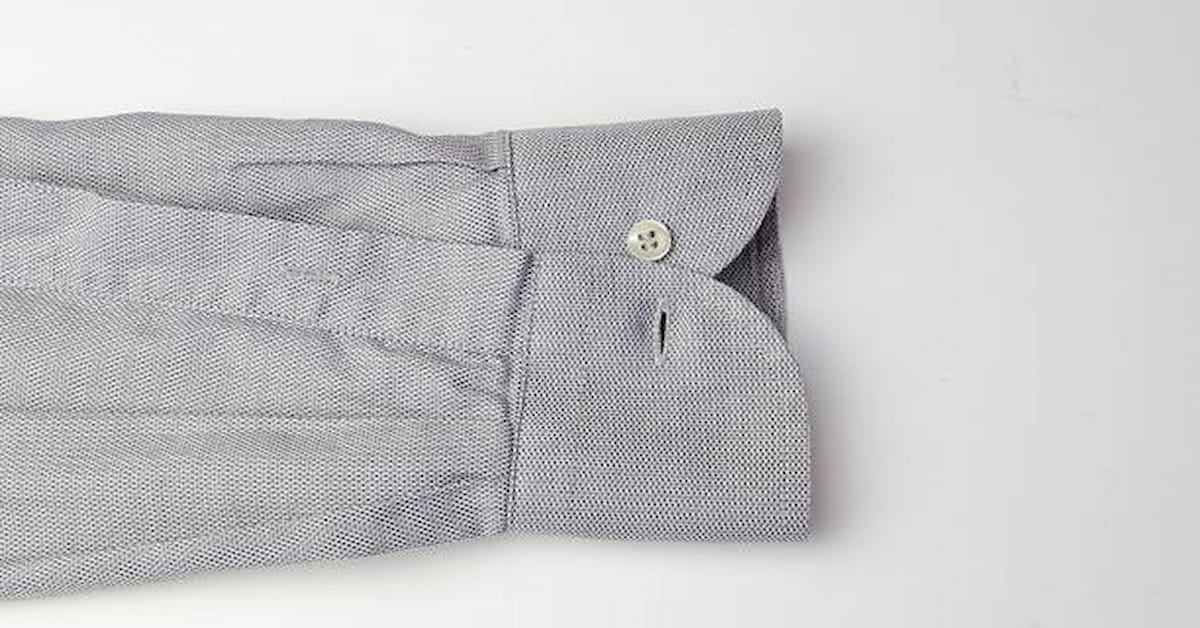
In Bangkok’s climate, fabric is not the only detail that affects how a shirt feels and performs. The collar sits directly against the neck, while the cuffs are exposed to frequent movement, perspiration and washing. Poorly chosen construction can make these areas feel stiff, lose their shape or show wear earlier than the rest of the shirt.
This guide explains how to choose collar and cuff styles that balance comfort, formality and durability in tropical humidity.
Why Does Collar Choice Matter in a Tropical Climate?
A shirt collar frames the face and establishes the formality of the shirt. In hot, humid weather, it must also remain comfortable around the neck.
Four details influence how a collar performs:
-
Collar height: A taller collar covers more of the neck and may feel warmer.
-
Interlining: The material between the outer fabric layers affects stiffness, shape and airflow.
-
Collar spread: The angle between the points influences how the collar sits with a tie or when worn open.
-
Fit: A collar that is too tight will feel uncomfortable regardless of its style or fabric.
The most comfortable option is not always the smallest or softest collar. The design should also suit the wearer’s neck length, face shape, dress code and preferred tie knot.
Which Collar Styles Work Best in Bangkok?
1. Soft Button-Down Collar for Business-Casual Wear
A button-down collar has small buttons that secure the collar points to the shirt. Originally associated with sporting shirts, it has become a practical option for business-casual and smart-casual wardrobes.
Its comfort depends less on the buttons themselves and more on its typically soft construction. A lightly lined or unfused version moves naturally and looks appropriate without a tie.
Why it works in Bangkok:
-
Usually made with softer construction
-
Keeps the collar points in place without heavy reinforcement
-
Looks natural with the top button open
-
Works well with linen, Oxford, seersucker and cotton-linen shirts
-
Requires less pressing than a sharply structured collar
Trade-offs:
-
Less formal than a spread or point collar
-
Usually better without a tie
-
Visible collar buttons may not suit conservative dress codes
Best for: Business-casual offices, travel, weekends and relaxed client meetings
Choose a subtle collar roll rather than a very short, flat button-down. This helps the collar sit naturally under a lightweight jacket.
2. Semi-Spread Collar for Everyday Business Shirts
The semi-spread collar provides a practical balance between a traditional point collar and a wider spread collar. It works with most face shapes, common tie knots and open-collar outfits.
For many professionals, this is the most versatile option for bespoke shirts in Bangkok.
Why it works in Bangkok:
-
Looks professional with or without a tie
-
Can be made with light or medium interlining
-
Provides a clean shape without excessive collar width
-
Works with lightweight cotton poplin and cotton-linen blends
-
Suits both formal and everyday office settings
Best for: Business wear, client meetings and versatile office wardrobes
A moderately low collar stand can reduce unnecessary coverage around the neck, but its height should still suit the wearer’s proportions. A collar that is too low may disappear beneath a jacket or fail to frame the face properly.
3. Spread Collar for Formal Business Wear
A spread collar has wider-set points that create more space around the tie knot. It offers a polished appearance and works particularly well with medium or larger knots.
The open angle does not automatically make the collar significantly cooler, but a lightweight interlining and comfortable neck measurement can make it suitable for Bangkok.
Why it works in Bangkok:
-
Creates a refined business appearance
-
Sits cleanly beneath a tailored jacket
-
Works with lightweight formal shirting
-
Can be made with softer interlining for greater comfort
-
Remains versatile when worn open at the neck
Trade-offs:
-
Very wide cutaway versions can look severe without a tie
-
A heavily fused construction may feel stiff
-
Wider collars need enough point length to remain under the jacket lapels
Best for: Formal business meetings, presentations and occasions requiring a tie
4. Club Collar for a Distinctive Look
The club collar is recognised by its rounded points. It offers a softer visual shape than a standard point or spread collar and works well for clients who want a distinctive bespoke detail.
Its performance in humidity depends on its height and internal construction rather than the rounded points alone.
Why it works in Bangkok:
-
Can be made with a soft, lightweight structure
-
Rounded points create a less severe appearance
-
Works with or without a tie
-
Adds character without requiring bold fabric
Trade-offs:
-
More noticeable than a standard business collar
-
May not suit highly conservative workplaces
-
Requires careful proportioning to avoid looking too small
Best for: Creative industries, social occasions and style-conscious professionals
5. Band Collar for Relaxed, Tie-Free Dressing
A band collar has a short upright band without fold-over points. Removing the collar leaf reduces bulk and creates a clean, minimal appearance.
It is one of the lightest collar styles, although the band still needs to fit comfortably around the neck.
Why it works in Bangkok:
-
Uses less fabric than a conventional collar
-
Feels light when worn open
-
Pairs well with linen and cotton-linen shirts
-
Creates a simple, contemporary look
-
Works well for travel and casual occasions
Trade-offs:
-
Cannot be worn with a conventional tie
-
Too relaxed for formal business dress
-
May not sit naturally beneath every jacket style
Best for: Casual Fridays, weekends, resort wear and informal evening events
Is an Unfused Collar Always Better for Humidity?
The difference between fused and unfused construction is important, but neither option is automatically right for every shirt.
Fused Collars
A fused collar contains an interlining bonded to the outer fabric. The interlining gives the collar a clean, consistent shape and helps it remain crisp throughout the day.
Advantages:
-
Maintains a sharp appearance
-
Requires less pressing
-
Works well for formal business shirts
-
Provides predictable shape and structure
Possible disadvantages:
-
Heavy interlining may feel stiff or warm
-
Poor-quality fusing can bubble or separate over time
-
Very rigid collars may be uncomfortable when fully buttoned
A well-made fused collar with lightweight interlining can still be comfortable in Bangkok. The problem is usually excessive stiffness rather than fusing itself.
Unfused Collars
An unfused collar uses a loose interlining rather than one permanently bonded to the outer fabric. It feels softer and develops a more natural shape.
Advantages:
-
Moves more naturally with the wearer
-
Feels softer around the neck
-
Works well with casual and lightly structured shirts
-
Avoids the risk of adhesive bubbling
Possible disadvantages:
-
May require more careful ironing
-
Does not maintain the same sharp shape as a fused collar
-
Soft versions can collapse beneath a jacket if poorly proportioned
For most tropical wardrobes, the best solution is often a lightly structured collar, whether fused or unfused. The correct choice depends on the shirt’s fabric and intended formality.
How High Should a Shirt Collar Be?
There is no universal tropical collar height. The collar must be comfortable while still remaining proportionate to the wearer.
A shorter stand may feel lighter, but reducing it too far can make the shirt look unbalanced or cause the collar to sit too low beneath a jacket.
| Collar Style | Typical Stand Approach | Practical Consideration |
|---|---|---|
| Button-down | Low to moderate | Needs enough height to create a natural roll |
| Semi-spread | Moderate | Versatile with or without a tie |
| Spread | Moderate | Must sit cleanly beneath a jacket |
| Club | Low to moderate | Should remain proportionate to the rounded points |
| Band | Short upright band | Must not press tightly against the neck |
Rather than requesting a fixed measurement, ask your tailor to adjust the collar stand to your neck length, posture and preferred way of wearing the shirt.
A person with a longer neck may need more height, while someone with a shorter neck may feel more comfortable in a lower profile.
Which Cuff Styles Work Best in Tropical Humidity?
Cuffs contribute less to heat accumulation than collars, but they affect comfort, durability and how easily the sleeves can be adjusted during the day.
One-Button Barrel Cuff for Everyday Wear
The one-button barrel cuff is the most practical option for most business shirts. It wraps neatly around the wrist and can be opened quickly when sleeves need to be rolled.
Why it works in Bangkok:
-
Uses relatively little fabric
-
Feels light around the wrist
-
Is easy to fasten and remove
-
Works across formal and business-casual settings
-
Allows sleeves to be rolled without removing cufflinks
Best for: Everyday office wear, travel and regular business shirts
The cuff should sit closely enough to remain at the wrist without feeling tight. Your tailor can make each cuff to a slightly different size if you regularly wear a watch.
Two-Button Barrel Cuff for Greater Adjustment
A two-button cuff may refer to two buttons placed horizontally for size adjustment or vertically for additional cuff depth.
Horizontal adjustment can be useful when wrist size changes slightly or when the shirt is worn with different watches. A deeper vertical two-button cuff creates a more noticeable style but also adds fabric around the wrist.
Best for: Clients who want an adjustable fit or a stronger cuff detail
For tropical wear, avoid making the cuff unnecessarily deep or tight.
French Cuff for Formal Occasions
A French cuff folds back on itself and closes with cufflinks. It remains the most formal standard cuff option.
Why it works:
-
Creates a polished appearance
-
Complements formal suits and evening wear
-
Allows personalisation through cufflinks
-
Helps elevate lightweight shirting for formal occasions
Trade-offs:
-
Uses more fabric around the wrist
-
Requires cufflinks
-
Is less convenient when sleeves need to be rolled
-
May feel excessive for everyday outdoor wear
Best for: Formal meetings, weddings, evening events and air-conditioned venues
French cuffs can still be worn comfortably in Bangkok when made from lightweight fabric. They are best reserved for occasions where the added formality is useful.
Convertible Cuff for Flexible Dressing
A convertible cuff includes a standard button fastening and additional openings for cufflinks. It can be worn as a barrel cuff on ordinary days and with cufflinks for more formal occasions.
Advantages:
-
Offers two fastening options
-
Reduces the need for separate formal shirts
-
Works well for business travellers
-
Adapts to changing dress codes
Trade-offs:
-
Does not look as refined as a dedicated French cuff
-
Extra openings may make the design appear busy
-
Must be constructed carefully to sit neatly in both forms
Best for: Travel, occasional formal events and flexible business wardrobes
How Can Collars and Cuffs Last Longer in Humidity?
Tropical humidity does not damage a shirt immediately, but perspiration, frequent washing and improper drying can gradually affect its shape and appearance.
Rotate Shirts Between Wears
Avoid wearing the same shirt on consecutive days. Allowing the fabric to dry and rest reduces persistent moisture and gives the fibres time to recover.
Wash Perspiration Out Promptly
Perspiration, skin oils and deodorant can build up around the collar and cuffs. Wash the shirt soon after wearing it rather than leaving it damp in a laundry basket.
Follow the care instructions for the chosen fabric and avoid unnecessarily high water temperatures.
Avoid Excessive Heat
Very hot washing, tumble drying and ironing can weaken fibres and affect fused components. Air-dry shirts where practical and use an appropriate iron temperature for the fabric.
Unbutton the Shirt Before Washing
Leaving the collar and cuffs fastened creates tension around the buttons and buttonholes. Unbutton them before washing and avoid pulling the shirt off while the collar is closed.
Reshape Collars and Cuffs While Damp
After washing, smooth the collar, straighten the points and reshape the cuffs before drying. This reduces hard creases and makes ironing easier.
Collar stays should be removed before washing unless they are permanently sewn into the shirt.
What Should You Ask When Ordering a Bespoke Shirt?
When discussing collar and cuff construction with your tailor, focus on how the shirt will actually be worn.
Ask:
-
Should the collar be fused, unfused or lightly structured?
The answer should reflect the fabric and intended level of formality. -
Will I normally wear the shirt with a tie?
This affects collar spread, point length, stand height and neck fit. -
Will the collar sit correctly beneath my jacket?
The points should remain controlled rather than lifting above the lapels. -
Can the cuffs accommodate my watch?
Different left and right cuff measurements may improve comfort. -
How should I care for the interlining and fabric?
Proper washing and pressing help prevent early wear.
Collar and cuff choices should be finalised alongside the fabric, not treated as isolated decorative details. A soft collar that works beautifully in linen may not provide enough structure for a formal poplin shirt.
For more guidance on choosing materials for Bangkok, see our guide to breathable fabrics for custom shirts.
The consultation and fitting process also allow the collar height, neck measurement and cuff width to be adjusted to the wearer. Our guide to how bespoke tailoring works in Bangkok explains what to expect from the first consultation through to the final fitting.
Conclusion
At Jesse & Son, we recommend choosing collars and cuffs according to the shirt’s fabric, purpose and level of formality rather than following one rule for every garment. A lightly structured semi-spread collar with a one-button barrel cuff is a dependable everyday combination, while soft button-downs, band collars and French cuffs can serve more specific occasions. As an experienced Bangkok tailor, we help each client refine the collar height, interlining, cuff shape and fit so every bespoke shirt remains comfortable, balanced and durable in Thailand’s humid climate.
FAQ
What is the best shirt collar for Bangkok’s climate?
A lightly structured semi-spread collar is the most versatile choice for many professionals. It works with or without a tie and can be made soft enough for daily comfort without losing its business appearance.
Is an unfused collar cooler than a fused collar?
An unfused collar often feels softer, but it is not automatically much cooler. Fabric, interlining weight, collar height and fit all affect comfort. A lightly fused collar can also perform well in hot weather.
Is a button-down collar suitable for business wear?
Yes, in business-casual and many modern office environments. It is generally less suitable for highly formal meetings or conservative dress codes.
Which cuff is best for everyday business shirts?
A one-button barrel cuff is usually the most practical choice. It is lightweight, versatile and easy to open when rolling the sleeves.
Can French cuffs be worn in Bangkok?
Yes. French cuffs work well for formal meetings, weddings and evening occasions, particularly when paired with lightweight fabric. They are less practical for outdoor or highly casual settings.
Should shirt cuffs be loose in hot weather?
They should feel comfortable without sliding over the hand. A tailor can allow slightly more room around a watch wrist while keeping the opposite cuff closer for a balanced fit.
 +66814437747
 @jesseandson