
Bespoke Wedding Looks: Veil & Accessory Coordination
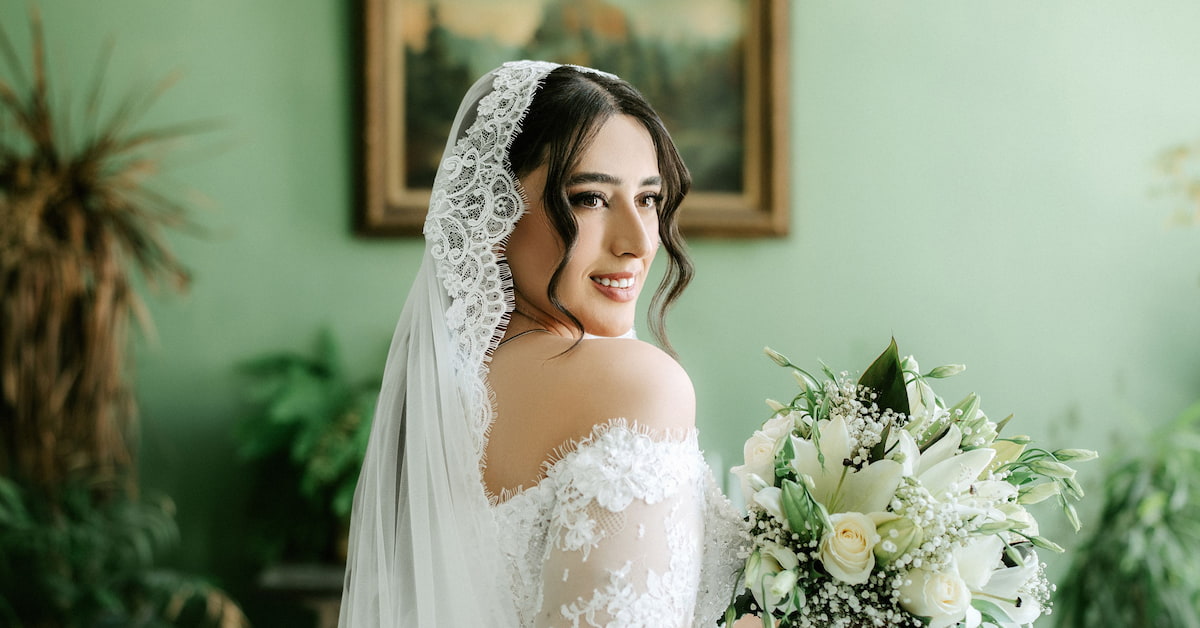
The veil will alter the appearance and draping of the outfit in one way or another, through length, texture or placement that will either highlight or frame a train or lace detail that has been included in your outfit. The selection of a matching veil along with your shoes, jewels and head piece can tie all these together into a coordinated outfit that feels considered.
The Suit Bangkok search can help you locate a wedding outfit supplier; however, this is not the only consideration you need to take into account, as fit is only part of the decision, and coordinating the gown, suit, and accessories also matters. How to select, coordinate and test these outfits along with the other pieces , and plan a practical timeline, is explained further in this article.
Why does veil and accessory coordination matter?
Coordination unites proportion, detail, and comfort. A veil, hair accessory, and jewelry must complement the gown while expressing your own taste.
A fancy gown will look perfect with a plain, sheer veil, thus preserving all details of the garment. A simple dress is suitable for lace or pearl accents, but a plain veil can also be appropriate. The idea is balance, not any definite amount of decoration.
Custom-made clothes require custom-made accessories, which should correspond to the true proportions of the clothing. Raised waistline, shaped shoulders, and longer tail change the position and volume of a veil. Better try these items together rather than basing on photos or standard size labels.
Now look at the entire silhouette. The addition of a long veil will enhance the flow of a ball gown or the drama of a fitted dress. A bird cage veil can complement the tailored suit by framing the face without hiding the lapels. It all depends on the desired effect.
Weight is equally important. Heavy bead work and layers will make it difficult to attach the veil comfortably. Test it out with your hairstylist and see how the adornments interfere with any lace, buttons, or accessories.
This should be your strategy in selecting other items as well – like a necklace, gloves, and belt. An open neckline may allow for the addition of a necklace while an embellished collar requires little else. Look at everything together before deciding what to add.
How should your dress or suit guide accessory choices?

Start by taking into consideration the neckline, shoulders, shape of the dress, and fabric, which create the basic lines of the dress, and allow you to see the size and position of the accessories.
Determine the parts you want to emphasize, for example, hand-stitched back, unusual sleeves, or shawl collar. And then experiment with veils and jewelry that highlight these features.
When it comes to a bridal suit, pay attention to how the veil hangs on the collar and back of the jacket. It is possible to use earrings, brooches, or even headgear as decoration instead of necklaces across the shirt or lapels.
Let neckline and shoulder details remain visible
The sweetheart or strapless neckline provides room for a necklace, earrings, or even a veil that drapes behind the shoulders. Select the accessories according to the overall outfit rather than selecting the veil based on the neckline.
In case of a V-neck, go for a necklace that will follow the cut of the dress or leave the neckline open. The high neck and decorated dresses usually do well with simpler jewelry, especially when there is a veil that is providing details in the face area.
When dealing with off-shoulder dresses or sleeves, try moving the veil around to see what details are left visible. Moving it to a lower position might help, although that might depend on the hairstyle and veil itself.
Bring your veil and headpiece to the hair trial. The updo, chignon, half-updo, and loose waves can all be worn with a veil if it is attached properly. Your hairstylist will know the right way to do it.
Coordinate partners through shared details
The attire of the partners does not need to be perfectly matching; however, accessories such as ties, pocket squares, boutonnieres, or cufflinks can take the color or texture of the other attire. In considering the outcomes for Suit Bangkok, one should find the illustrations that demonstrate how the designer achieves harmony in making lapels, shirt collars, and accessories.
Compare the material samples side by side. Muted blush or champagne accents may work well with the warm ivory dress, but make sure to check the actual materials first before ordering. The same name may refer to different shades of the color.
Possible associations could be:
-
A satin sash matched with a tie or waistcoat.
-
Pearl decoration accompanied by pearl cufflinks.
-
Texture of lace balanced by a subtly textured pocket square.
-
The same metal finish for the jewelry and accessories.
Make sure everyone's tastes are on display. Coordination of colors and compatible level of formality will always take precedence over matching decorations.
How do you choose a veil that complements your bespoke outfit?
In picking out the veil, one needs to be able to consider aspects like length, drape, decoration, color, and attachment altogether. Even a beautiful piece of fabric should complement the garment as well as movement.
It is best to test with the actual outfit wherever one can. Try looking at the choices in front, in profile, and behind and try walking and turning before making up one's mind. A veil can look quite different in motion.
Choose length against the actual hem and train
Veil name sizes serve as a basis, yet the sizes differ from one manufacturer to another and from one person's height and mounting point to another's.
| Veil option | Effect and practical consideration |
|---|---|
| Birdcage | Frames part of the face and leaves most garment details visible. |
| Shoulder or elbow length | Adds volume around the upper body while keeping much of the skirt clear. |
| Fingertip length | Falls around the hands when arms are relaxed, offering length without a trailing hem. |
| Waltz or ballet length | Usually falls between the knees and ankles; confirm the maker’s measurement. |
| Floor length | Reaches approximately to the floor, depending on placement and shoes. |
| Chapel length | Trails behind the wearer; compare it directly with the gown’s train. |
| Cathedral length | Creates a longer trailing effect and may need help arranging during the ceremony and photographs. |
According to Gown & Altar, a blusher refers to the front part of a veil that can be used to cover the face. The front veil can either come along with the longer veil or not; there is no specific length for the entire veil.
When choosing a trailing veil, see whether it will end just at the train or go past it. There is no definite extension to go by, but even the shorter veil can do great with the long train intentionally. Make sure the ending of the veil does not hide any element in the bridal gown that you want to show, such as a belt, waist seam, or skirt detail.
Pay close attention to the hemline details and decorations. You can have sheer tulle fabric with lace appliqués underneath it. A decorated hemline will form another line of decoration on the veil. Check that the two sit comfortably together.
Make measurements from the designated veil attachment point by wearing the wedding shoes. Think about the pathway to the altar , including steps, grass, gravel, and narrow spaces, and where the veil might get caught up with.
Compare fabric, decoration, and color in person
Veils should be tried on together with the dress. Tulle is a soft material and it makes a different silhouette from firmer net and multi-layered veils differ in volume and opacity too.
The decoration of the veil depends on the whole wedding attire as scattered pearls will highlight already existing elements, or an appliqué with lace will decorate a simple veil. If the whole ensemble is decorated with lace, one should consider proportion and density of lace elements, not only the exact match.
Consider the colors of a wedding dress under natural and artificial light because there is an important difference between white, ivory, champagne, and blush dresses which depends on the manufacturer of fabrics and the fabric itself, so a swatch is more useful than a shade name. In your makeup testing day use the swatch of a fabric if you have any or compare your makeup with the gown itself, especially if the cloth has a warm ivory or blush undertone.
And at last, test the veil together with the headpiece. The comb, pins, tiara, and flower vine should match the veil easily without pressure, pulling, or tangling.
How can you balance shoes, jewelry, and headpieces?
Select accessories based on the space and detailing in the outfit. The shoes impact the hem, the jewelry focuses attention around the face and neckline, and the headpiece alters the balance of the hairstyle.
Not every space needs an accessory. Eliminate any accessory that will distract from the details you wish to highlight.
Give statement pieces room to stand out
Statement earrings will complement the simple neckline and hair ornament too. On the other hand, a simple necklace with stud earrings can serve for a simpler look around the face.
Consider the following suggestions:
-
Ears: See if the earrings coordinate with the veil border and neckline.
-
Neck: Assess whether a necklace falls correctly without any snagging or bunching.
-
Wrists: See how the bracelets look against the sleeves, gloves, and bouquet handling.
-
Hair: Ensure that both accessories complement each other in terms of comfort.
The metallic tones can be repeated in the entire outfit, however, the mix of metals is also fine in case it looks purposeful. Experiment with the materials against the actual fabric and not with a gold/silver assigned to a specific dress color.
As for the shoes, consider picking up comfortable shoes since walking and standing in them is essential too. In case of changing shoes, make sure that you take both pairs to the tailor so the tailor can assess how the change affects the hem.
Test fit, movement, and comfort together
Schedule your full outfit check with plenty of time for alterations. Wear the actual shoes and undergarments, and bring all accessories which might affect the fit or movement.
Run through the following checks:
-
Security of attachments: Turn your head, bend slightly, and lean forward to hug. Have your hair stylist make any necessary adjustments for any slipping or pulling.
-
Walking clearance: Walk, turn, and take one step assisted if needed. Check for any fabric which catches underneath the shoes.
-
Comfort and grip: Sit and stand to ensure the belt or sash stays put. With your gloves on, grip and release a bouquet or something similar without difficulty.
-
Fastenings: Check the clasps, earring backs, pins, and any detachable items.
-
Changes during reception: Have someone practice taking off the veil prior to dancing and arrange your train or bustle, if you have one, without disrupting your hairstyle.
Alterations can affect the balance visually. An altered hem will change the balance with the veil, while neckline or shoulder alterations will affect how your jewelry fits. Jesse & Son's guide to checking dress lengths with shoes and movement will give you useful information for these fitting decisions.
What tailoring support should you arrange in Bangkok?
Discuss the garment requirements, venue of the wedding, and schedule for fittings before selecting a tailor shop. Provide photographs of reference and inquire about areas that the team will work on, whether they can make, alter, or advise on them.
Differentiate between tailoring of the garment and specialty work on accessories. Making veils, acquisition of the bride's head piece and hairstyling could be done by different people, so clarify it and confirm responsibilities beforehand.
When it comes to outdoor weddings, talk about fabric, linings, layers, and time spent outdoors. Think of both ceremony and reception separately, particularly if going from outdoor space to air-conditioned room.
Confirm the scope of Jesse & Son’s support
Jesse & Son is a family-owned tailoring shop run by Jesse (Suthep) and his son Manop. Its published tailoring process consists of individual pattern making, hand-cutting, fittings, and adjustments. Individual patterns are based on over 20 measurement points and stored for future orders.
If you have shortlisted the business via a Suit Bangkok search, use the consultation to figure out what requirements your design will need. Bring samples of fabric and pictures of accessories and discuss:
-
The neckline and shoulders and their details to keep visible.
-
The color of fabric in comparison to the veil chosen.
-
The length of sleeves in combination with gloves or bracelets.
-
Height of shoes and the finished hem.
-
Complementary colors and details for your partner's outfit.
Ask the team to confirm a realistic timeline for your particular order. A quick suit tailoring should not be taken as a guarantee of a fast wedding gown or complicated outfit tailoring. The guide to consultations, patterns, and bespoke fittings covers the key stages to consider.
When should you schedule fittings and final accessory checks?
Set up the schedule first with your garment manufacturer and accessories providers before going for orders. Time required for production, the intricacy of the design, shipping, travelling, and alterations are some of the factors which will impact the dates.
In case you are visiting a bkk tailor within a brief vacation, it would be good if you discuss the arrival, departure, and wedding dates before accepting any commission. Ensure that the time period available is sufficient enough for fittings and any alterations required.
Below is an example of the fitting schedule, assuming the garment has already been commissioned and production is underway. Confirm your fitting dates with your tailor.
| Suggested checkpoint | What to confirm |
|---|---|
| 8–10 weeks before | Review garment progress and confirm veil, headpiece, and accessory choices. |
| 4–6 weeks before | Bring shoes and veil to assess the hem, attachment position, and overall proportions. |
| Around 2 weeks before | Complete the full outfit check, allowing any additional time your maker requires for adjustments. |
| 1 week before | Inspect and pack the finished pieces; confirm who will help with dressing and veil removal. |
Custom-made garments and accessories may have to be ordered in advance of these fittings. Get lead times from each supplier, rather than making the first fitting date the ordering deadline. For outdoor events, the Bangkok outdoor wedding fabric guide will assist you in preparing questions on fabric, lining, and comfort before ordering.
For early fittings, bring swatches and photographs for reference. When the veil is delivered, try it on with the garment and desired hairstyle. For the final check, wear everything together and take photographs of the whole outfit from different angles.
Items needed:
-
Shoes for the wedding, broken in, and any for the reception.
-
Swatches of fabric for the garment and any accompanying outfit.
-
Undergarments that you intend to wear.
-
Veil and headpiece.
-
Jewelry, gloves, belt, or sash.
-
Photographs of desired hairstyle.
-
Any agreed-upon extra pins and fastenings.
Separately package accessories so that the jewelry will not catch the veil. Label the items and show your assistant how they go on, come off, and should be stored.
To discuss garment requirements, contact Jesse & Son at 1/15 Sukhumvit Soi 10, Asoke, Klong Toey 10110, Bangkok. Telephone +66814437747, or use Line ID jesseandson, or email [email protected].
Conclusion
Your wedding outfit should feel comfortable from the ceremony to the reception. At Jesse & Son, we assist you in thinking about fit, proportion, and movement while setting an appropriate garment timeline. In case you located us through Suit Bangkok, we encourage you to come up with your design ideas and accessory ideas so that we can talk about the tailoring process and identify any specialist support you may need.
FAQ
Can Jesse & Son help coordinate my veil and accessories?
Contact them to see what kind of help they can give you regarding your outfit. From their published information, you will be able to see that they do bespoke tailoring and fittings. Show pictures and fabric samples for what you want.
How does the bespoke process work for a wedding look?
From the published process of bespoke tailoring, it will begin with consultation and measurements followed by pattern making, cutting, sewing, fittings, and finishing. Know the process and completion date of the wedding outfit before placing the order.
Do I need to bring my veil and accessories to a fitting?
Bring them to a complete outfit check, especially if they affect the neckline, sleeves, waist, or hem. Shoes and intended undergarments are particularly useful for assessing fit. Take the veil and headpiece to your hair trial as well.
How is pricing determined for a bespoke wedding outfit?
The cost will vary according to the particular garment, fabrics used, and customization. The published rates quoted from Jesse & Son employ fabric classes and relative costs; get the quote in writing of the particular cost for your garment design and confirm what fittings, adjustments, and accessories it includes.
Can Jesse & Son make outfits for both partners?
Jesse & Son is promoting their custom garments designed for both partners, men and women. Discuss your garment designs, particularly in cases when your particular design is using specialized bridal techniques, elaborate embellishment, or accessories that have been created by some other firm.
Can my finished garments be delivered to my hotel?
According to the published Jesse & Son process, they offer the free garment delivery to your hotel or residence upon the quality control and your garment approval. Confirm the delivery address, timing, and arrangements with the team before departure.
 +66814437747
 @jesseandson
