
Perfect Skirt and Dress Lengths for Bangkok’s Climate
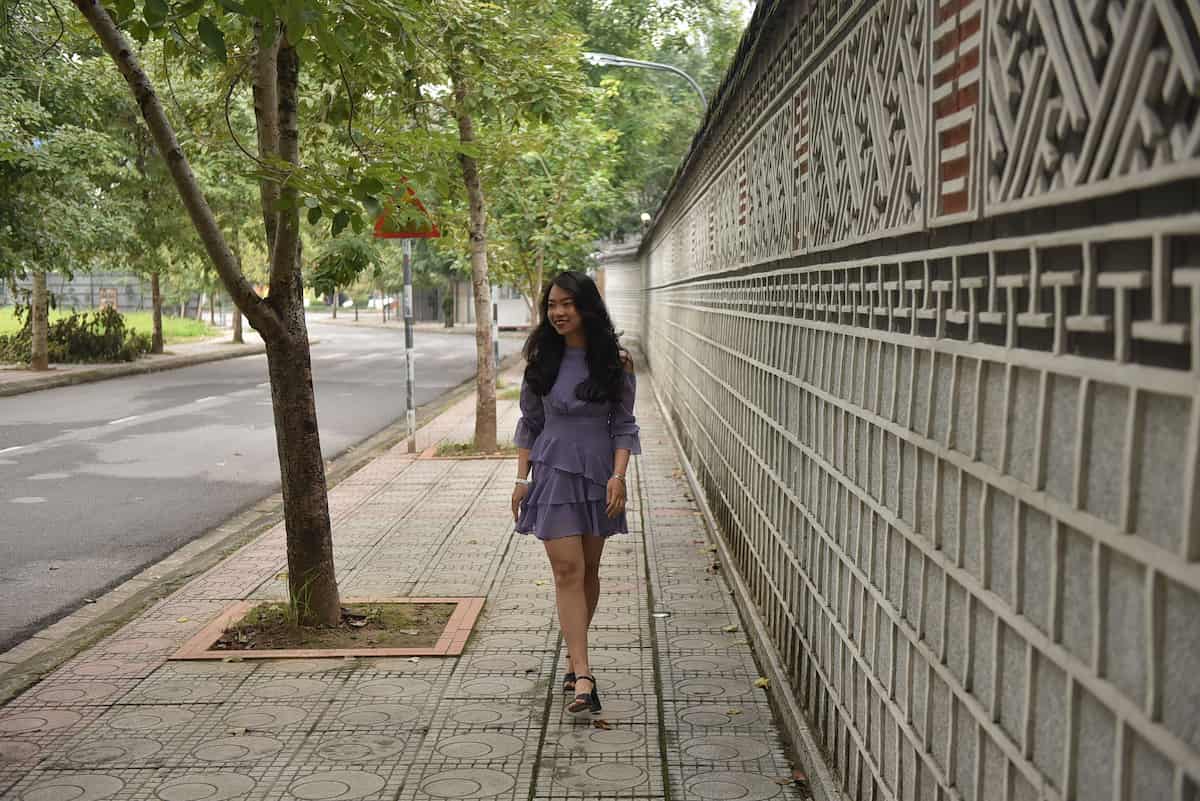
The most flattering skirt or dress length is not determined by one fashion rule. In Bangkok, the hem must also work with heat, humidity, sudden rain, public transport, office air-conditioning and local expectations around dress. A length that looks elegant while standing in a fitting room may feel restrictive once you sit, climb stairs or walk outside.
Knee, midi and maxi lengths can all work well. The better choice depends on proportion, fabric, lining, shoes and occasion, with enough ease for comfortable movement throughout the day.
Why Does Hem Length Matter in Bangkok?
A hem affects airflow around the legs and how easily you can walk, sit or enter a car. A fitted skirt may rise when seated, while a long dress may catch under a shoe or brush against wet pavement. Length therefore needs to be tested in motion rather than judged only in front of a mirror.
Bangkok also involves frequent changes of setting, from an air-conditioned office and public transport to a sunny street, conservative venue or dinner. The garment needs suitable coverage without heavy fabric or a narrow shape that traps heat.
Which Hem Length Works Best for Different Needs?
Knee Length for Polished Daily Wear
A knee-length skirt or dress is a dependable option for work, daytime appointments and smart-casual occasions. The hem may finish just above, across or slightly below the knee according to the wearer’s proportions and the formality of the garment. It also works with flats, loafers, pumps and low heels.
An A-line skirt can be slightly shorter while allowing an easy stride, whereas a pencil skirt may need a back vent, side split or more room around the hips. Sit during the fitting because the hem will appear shorter than it does while standing.
Midi Length for Coverage and Versatility
A midi normally ends between the lower knee and mid-calf. It offers more coverage than a knee-length garment without the maintenance of a full-length skirt, making it useful for client meetings, cultural visits, daytime events and dinners.
Consider where the hem crosses the calf. Ending at its widest area can make the leg appear heavier, while a narrower area may look more balanced. Pleats, an A-line cut, a split or added ease can support a natural stride. Lightweight cotton, linen blends or tropical wool provide sun coverage without unnecessary weight.
Maxi Length for Relaxed or Formal Dressing
A maxi can remain comfortable when it combines a relaxed shape with light fabric and breathable lining. A narrow synthetic maxi that clings to the legs may feel warmer than a shorter, looser dress.
The hem should clear the ground with the intended shoes to avoid stairs and rainwater. A shorter front or controlled side split can improve mobility. Before approving a formal dress, check that you can walk without holding it up.
How Should the Hem Work With Your Proportions?
Height is only a starting point. A shorter woman may prefer a line above or below the knee, while another may look balanced in a maxi. Taller women may have more room for a long midi, although waist placement, volume, colour and vertical lines still affect the result.
Try two or three pinned lengths and photograph each from a natural distance with the intended shoes and upper garments. This shows the whole silhouette rather than the hem alone.
Posture, hip shape and asymmetry change how fabric falls, so a length copied from a mannequin may need adjustment. Bespoke tailoring for women with curved body shapes can also account for differences in balance that standard measurements may overlook.
Which Length Suits Each Occasion?
There is no need to assign one rigid length to every dress code. These combinations provide starting points that can be adjusted for the venue, fabric and wearer.
| Occasion | Useful Starting Length | Practical Consideration |
|---|---|---|
| Corporate office | Knee or midi | Balance authority, seated coverage and walking ease |
| Client meeting | Knee or refined midi | Choose a stable hem that does not need frequent adjustment |
| Daytime event | Knee or fluid midi | Prioritise airflow and comfortable shoes |
| Temple or conservative venue | Below-knee midi or maxi | Confirm the venue’s requirements and check shoulders, neckline and opacity |
| Outdoor wedding | Midi or ankle length | Consider heat, rain, soft ground and time spent outside |
| Formal evening | Long midi or maxi | Fit the hem with the final shoes and test stairs |
| Travel day | Knee, midi or cropped maxi | Allow an easy stride and keep the hem off the ground |
A richer fabric or dramatic silhouette may suit an evening event, provided it remains easy to move in. For temples and other conservative venues, a light shawl, jacket or wrap can add coverage and help one dress work across several destinations.
How Should You Test a Hem in Motion?
During a fitting, walk normally, take a longer stride, climb a step, sit and reach for a bag. Check whether the hem rides up, twists, catches on your shoes or opens too far at a split. Movement can reveal tension in fitted skirts, bias-cut dresses and lined garments.
Heat and humidity can make fabric cling. Ease through the hips, a breathable lining and a smooth inner finish may help more than shortening the garment. Test it with your usual handbag or tote because friction can pull a light skirt aside. Choosing fabrics that allow easier movement in women’s bespoke clothing can make the finished piece more comfortable throughout the day.
What Should Be Checked Before the Hem Is Finished?
Fabric and Lining
Linen, silk, cotton jersey, crepe and suiting cloth hang differently. Fluid or bias-cut fabric may lengthen as it settles, while crisp cloth holds a sharper line. Crepe varies by fibre, weight and construction, so its name alone does not indicate breathability.
Assess the outer fabric’s weight, stretch and drape together with its lining. An unlined garment, breathable half lining or light full lining can reduce cling. For rainy months, check drying time and whether the hem becomes heavy when damp. For formal events, comparing fabrics for an outdoor wedding in Bangkok can help you balance appearance with heat, humidity and time spent outside.
Shoes and Final Balance
Check the hem with the intended shoes, including sole height and toe shape. A midi sits differently with a loafer and a higher heel, while a small change can make a maxi drag. Bring your lowest and highest pairs to find a workable compromise.
Bangkok often involves more walking than visitors expect, so travel clothes should work with comfortable shoes. Testing several pairs prevents a change of footwear from making the hem look accidental.
Alterations and Daylight Checks
Bodies and wardrobes change, so ask what allowance can remain at the waist, side seams and hem. Borders, pleats, lining and the original silhouette may limit later adjustments. Record the delivered length and shoes to guide a second garment.
Review the hem in daylight because indoor lighting can hide transparency, shine and lining shadows. Sit again at the final fitting to see whether the skirt rises or settles. This protects comfort during meetings, meals and journeys.
How Can You Build a More Useful Bangkok Wardrobe?
A practical wardrobe might include a knee-length work dress, a meeting midi and a relaxed maxi for dinners or travel. A shared colour palette can connect different fabrics and proportions. Plan around your schedule, shoes and comfort rather than a generic size chart.
Keeping those preferences on record can also guide later shirts, suits or shoes designed to work with the same wardrobe.
Bring successful garments, shoes, shirts or photographs and explain where the new piece will be worn. Allow time for fittings when the design, fabric or body shape is new. If this is your first custom garment, knowing what to expect from the bespoke tailoring process in Bangkok can make it easier to plan the consultation and fittings.
A Hem That Works Beyond the Fitting Room
At Jesse & Son, women looking for a custom tailor in Bangkok can have skirt and dress lengths adjusted to their proportions, wardrobe and daily routine. The finished hem should feel comfortable in Bangkok’s climate, work with the shoes and settings that matter, and remain easy to wear throughout the day.
Frequently Asked Questions
Should a Work Skirt Cover the Knee?
Not in every workplace. A hem just above, across or below the knee can all look polished when it remains comfortable while seated and suits the organisation’s dress expectations.
Can a Maxi Dress Be Shortened Later?
Usually, although borders, pleats, lining and the original shape may limit the change. Ask how much alteration is possible before the first hem is finished.
When Should the Final Hem Be Marked?
After the fabric has had time to settle and while the wearer has the intended shoes on. Bias-cut or fluid garments may need to hang before the last measurement is taken.
 +66814437747
 @jesseandson